Hero Father Saves Child from Mountain Lion Attack in Olympic National Park
Introduction
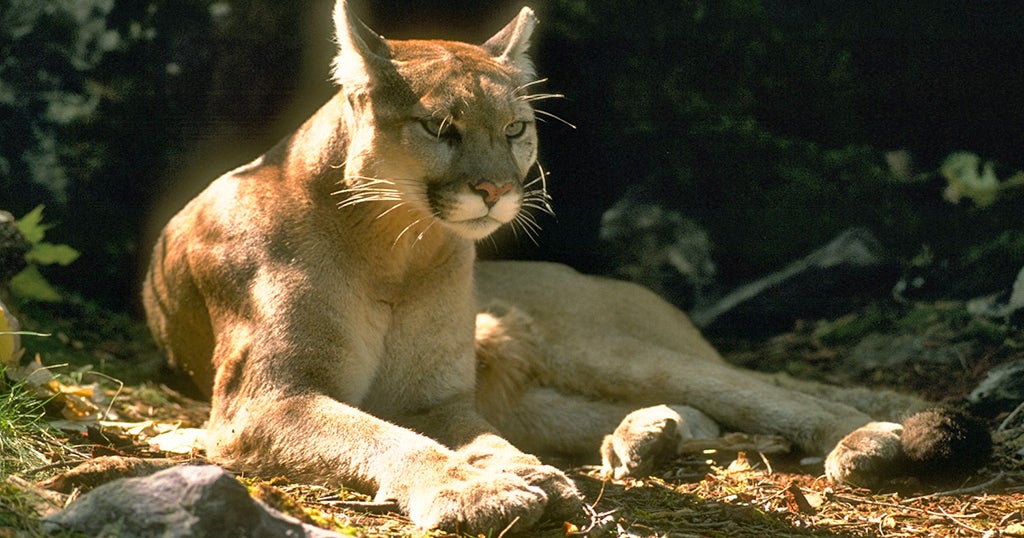
In a harrowing incident in Olympic National Park in Washington state, a 4-year-old child was bitten by a mountain lion while on a popular trail with their family. The child's father has been hailed as a hero for his quick response in protecting his child.
Key Details
The attack occurred on the Spruce Railroad Trail, which is a popular spot for hikers and families. According to park officials, the father was walking ahead of the child and spotted the cougar approaching. He immediately picked up his child and ran to safety, shouting and making noise to scare off the cougar. The child suffered bite marks on their leg and was treated at a nearby hospital.
Impact
This incident serves as a reminder of the importance of being aware of one's surroundings and being prepared for potential wildlife encounters. Park officials have closed the trail and are conducting an investigation to determine if the cougar needs to be removed from the area. Visitors to the park are reminded to follow safety protocols and make noise while hiking to avoid surprise encounters with wildlife.
About the Organizations Mentioned
Olympic National Park
Olympic National Park, established by President Franklin D. Roosevelt on June 29, 1938, is a globally renowned natural reserve located on Washington State’s Olympic Peninsula, spanning approximately 922,650 acres[1][6]. The park showcases three distinct ecosystems—glaciated mountains, temperate rainforests, and rugged Pacific coastline—making it a unique and diverse natural habitat[6]. It contains some of the best examples of intact temperate rainforests in the continental US, a vast wilderness area covering over 95% of the park, and the longest undeveloped coastline in the contiguous United States[4][6]. The park’s history stretches back over 13,500 years of human occupation, with indigenous peoples skillfully managing its resources long before European contact[3][2]. The Olympic Peninsula was initially designated as the Olympic Forest Reserve in 1897, then Mount Olympus National Monument in 1909 under President Theodore Roosevelt to protect Roosevelt Elk habitat[3][7]. Roosevelt’s successor, Franklin D. Roosevelt, further supported its protection, culminating in the national park designation in 1938 after his visit to the region in 1937[1][4]. The Civilian Conservation Corps contributed significantly during the 1930s and 40s by developing infrastructure such as roads and campgrounds within the park[5]. Olympic National Park has achieved international recognition for its outstanding natural value. UNESCO designated it an International Biosphere Reserve in 1976 and a World Heritage Site in 1981, highlighting its ecological and cultural significance[3][6][10]. The park preserves over 650 archaeological sites and numerous historic areas, documenting thousands of years of human history and ongoing cultural heritage[3]. Today, Olympic National Park serves as a vital conservation area and a premier destination for outdoor recreation including hiking, fishing, boating, and wildlife observation. Its management balances preservation of its diverse ecosystems with providing access to millions of visitors annually, makin