Lions Stunned by Vikings in Turnover Catastrophe
Lions Stunned by Vikings in Turnover Catastrophe
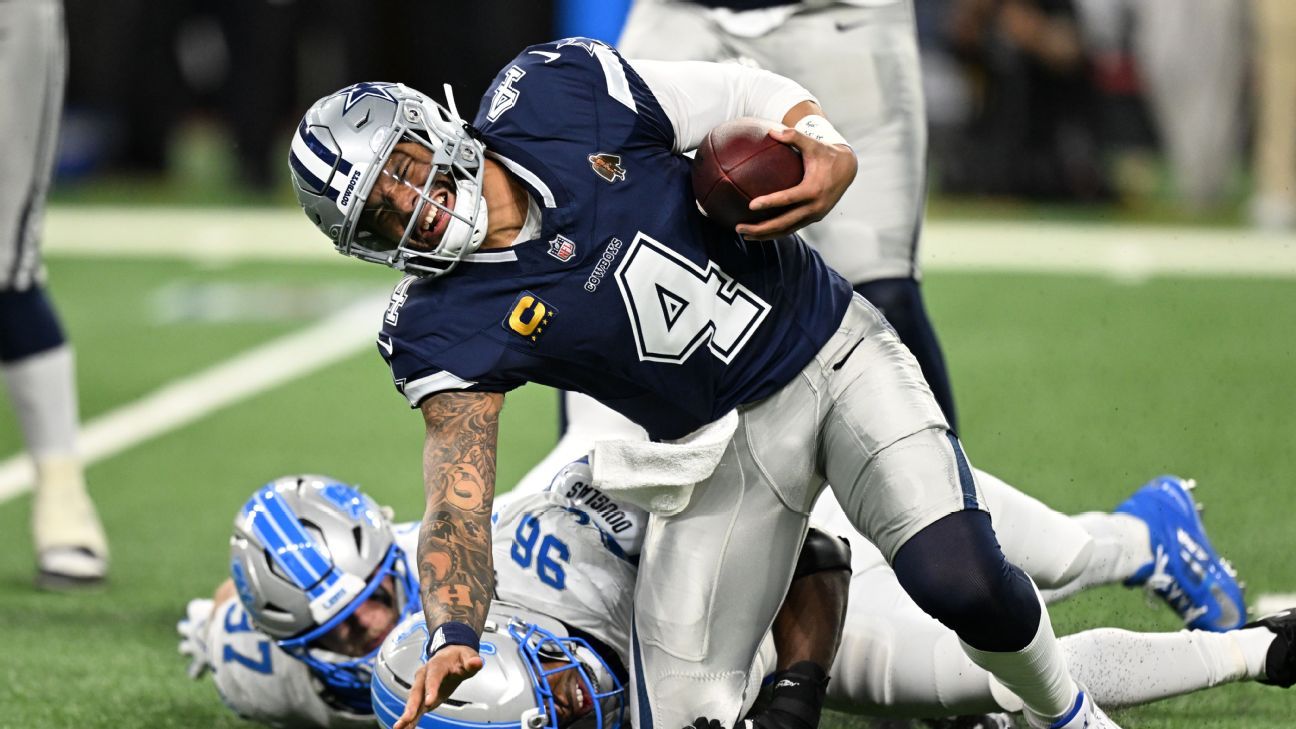
The Detroit Lions' playoff dreams shattered on Christmas Day with a 23-10 defeat to the Minnesota Vikings at U.S. Bank Stadium. Jared Goff and the high-powered offense coughed up six turnovers, including a botched snap recovered by Vikings' Van Ginkel, fueling Minnesota's dominant defense that added five sacks. This loss eliminated Detroit from postseason contention, handing the NFC North rival Green Bay Packers a playoff berth[1][3].
Vikings Defense Delivers Holiday Miracle
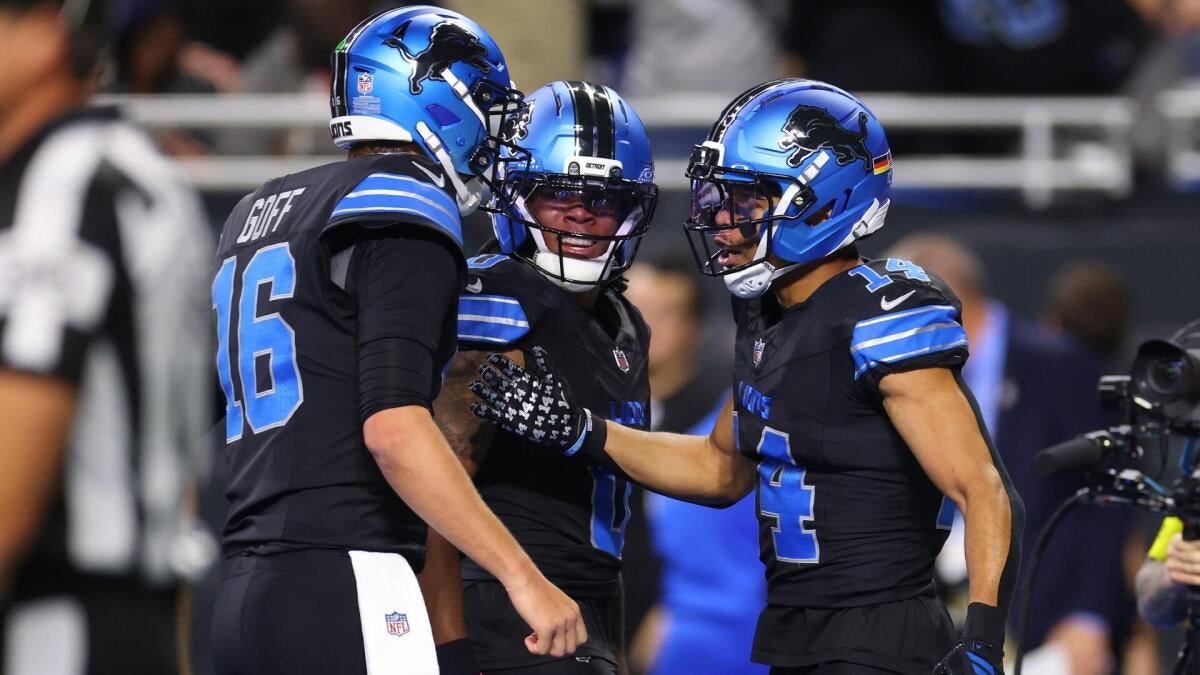
Minnesota's defense was ferocious, with Harrison Smith shining in one of his finest performances, celebrating amid a winter whiteout crowd. Aaron Jones powered in for key touchdowns, while the Vikings capitalized on Detroit's gifts, turning turnovers into points. Will Reichard nailed field goals to seal the victory, as Goff managed just three passing yards in a dismal showing[1][2][3].
Playoff Implications and Packers' Gift
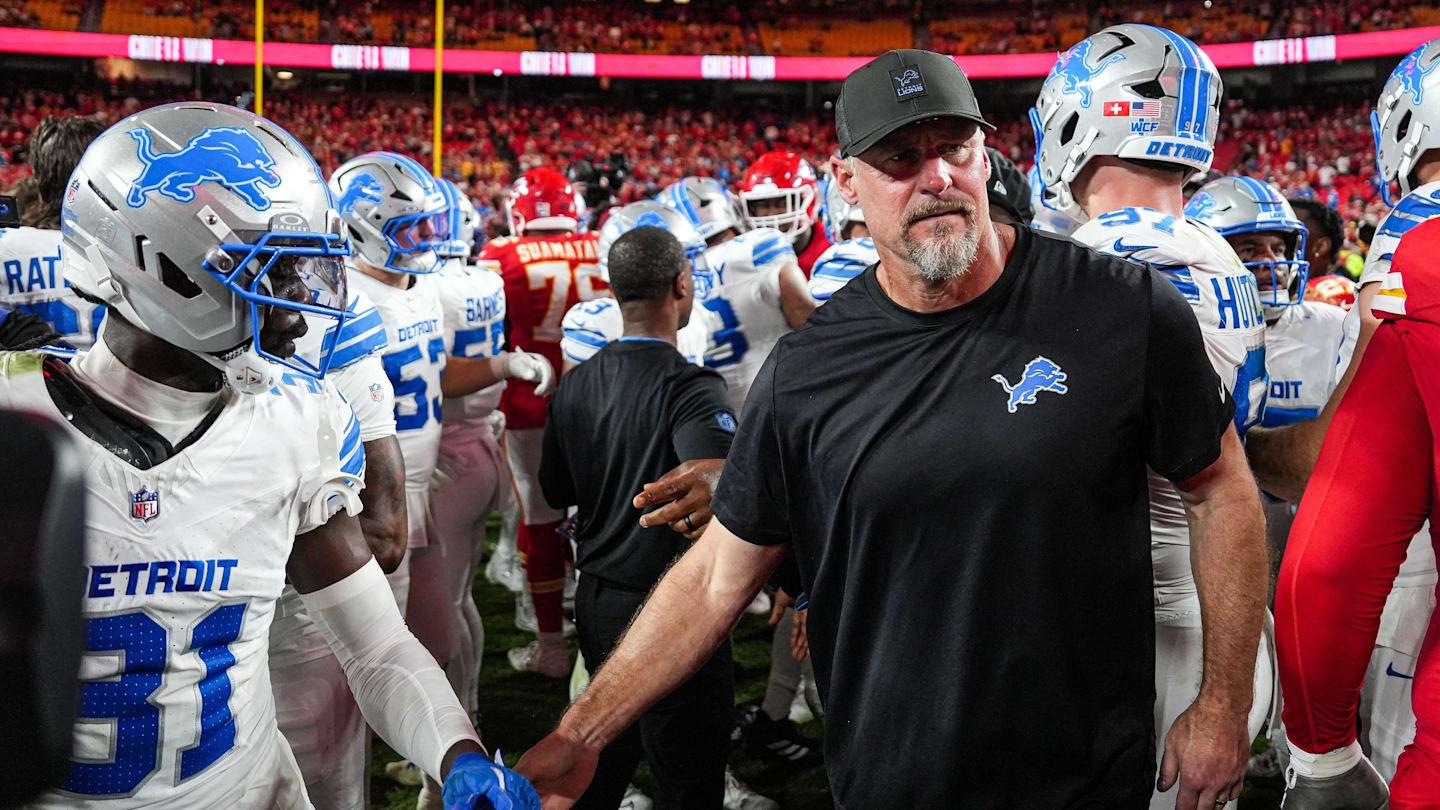
Now 8-8, the Lions join the Vikings in missing the playoffs, while Green Bay clinches at least a wild card spot atop the NFC North at 9-5-1. Detroit's collapse underscores turnover woes, gifting rivals postseason entry and ending their surprising season on a sour note amid NFC shifts[1][4].
About the Organizations Mentioned
Detroit Lions
The **Detroit Lions** are a professional American football team based in Detroit, Michigan, competing in the NFL as part of the NFC North division. The franchise originated as the Portsmouth Spartans in Ohio in 1928, joining the NFL in 1930, before relocating to Detroit in 1934 and adopting the Lions name, inspired by the city's baseball team, the Detroit Tigers[1][2][3]. The Lions quickly established themselves with early successes, winning NFL championships in 1935, 1952, 1953, and 1957. The team featured legendary players like Dutch Clark, Bobby Layne, Doak Walker, Lou Creekmur, and later Barry Sanders, one of the most electrifying running backs in NFL history. The 1950s were a golden era, with the Lions finishing near the top of their division multiple times and securing three NFL titles[1][2][4]. However, after their last championship in 1957, the Lions struggled with consistency and postseason success. They endured lengthy playoff droughts, including a 54-year gap without a postseason victory until 2023. The franchise experienced periods of mediocrity and decline, highlighted by the disastrous 2008 season when the Lions became the first NFL team to go 0–16. Management missteps, such as the tenure of general manager Matt Millen, contributed to this downturn[1][4][5]. The 2010s brought renewed hope with quarterback Matthew Stafford and wide receiver Calvin Johnson ("Megatron"), forming one of the league’s most potent passing duos and leading the team to multiple playoff appearances. Yet, postseason success remained elusive, and Johnson’s early retirement in 2016 and Stafford’s eventual trade in 2021 underscored ongoing challenges[4][5]. Currently, the Lions play at Ford Field in downtown Detroit and remain a storied franchise deeply woven into Detroit’s sports culture. They are notable for their Thanksgiving Day game tradition dating bac
Minnesota Vikings
The **Minnesota Vikings** are a professional American football team based in suburban Minneapolis, Minnesota. Founded in 1961, the team competes in the National Football Conference (NFC) of the National Football League (NFL)[1][4]. While not typically associated with business or technology news, the Vikings have a rich history that intersects with these fields through their organizational structure and operations. **History and Achievements:** The Vikings' early history reflects the rivalry between the NFL and the American Football League (AFL) in the 1960s. Initially offered an AFL franchise, the team's investors opted for an NFL expansion team instead[2]. The Vikings have won one NFL championship in 1969, which was the last before the NFL-AFL merger[1][3]. They have appeared in four Super Bowls, losing each time[1]. Notable players include Fran Tarkenton and the defensive line known as the "Purple People Eaters," featuring Alan Page and Carl Eller[1][3]. **Current Status:** The Vikings play their home games at **U.S. Bank Stadium**, which opened in 2016. The stadium is equipped with modern technology, including a sound system that features a Gjallarhorn, a nod to Norse mythology[5]. The team continues to invest in technology for fan engagement and operational efficiency. **Notable Aspects:** - **Business Operations:** The Vikings are involved in various business ventures, including real estate development around their stadium and partnerships with local companies. - **Community Engagement:** The team is active in community outreach programs, using sports to promote education and health initiatives. - **Technology Integration:** The Vikings leverage technology to enhance fan experience and improve team performance through data analytics and digital marketing. Overall, the Minnesota Vikings are a storied NFL team with a strong organizational structure that blends sports with business and community engagement.
U.S. Bank Stadium
**U.S. Bank Stadium** is a state-of-the-art, multi-purpose indoor venue in downtown Minneapolis, Minnesota, primarily serving as the home of the NFL's Minnesota Vikings while hosting concerts, conventions, sports events, and community gatherings.[1][2][3] Owned by the Minnesota Sports Facilities Authority and managed by SMG, with Aramark handling concessions, the stadium opened on July 22, 2016, on the site of the former Hubert H. Humphrey Metrodome. Constructed at a $1.061 billion cost—funded by $348 million from the state, $150 million from Minneapolis, and $551 million from private sources including the Vikings—it spans 1.75 million square feet across seven levels, with a capacity of 66,200–66,400 seats (expandable to 70,000+ for select events).[2][3][7] Innovative features include the nation's largest transparent ETFE roof for natural light, five massive 95-foot pivoting glass doors offering skyline views, 360-degree concourses, 135 suites, six premium clubs, and $100 million in tech like 2,100+ HD screens and 550 miles of free public WiFi fiber.[2][5][7] Key achievements highlight its global draw: Super Bowl LII (2018), NCAA Men's Final Four (2019), Summer X Games (2017–2020), international soccer like AC Milan vs. Chelsea (2016), and University of Minnesota Golden Gophers baseball (up to 15 home games annually).[1][3][6] It earned LEED Gold certification in 2017 and, in its first three years, hosted 1,156 events for 4.64 million visitors, spurring $1 billion in nearby development including offices, retail, residences, and parks.[2][7][8] Currently, it remains a vibrant hub with over 60 annual community events, 3
Green Bay Packers
The **Green Bay Packers** are a unique professional American football team based in Green Bay, Wisconsin, competing in the NFL’s NFC North division. Founded in 1919, they are the only major U.S. sports franchise organized as a **publicly owned nonprofit corporation**, held by over 538,000 stockholders as of 2025, with no individual allowed to own more than 4% of shares. This community ownership model has been key to the team's longevity in the smallest NFL market and is grandfathered under league rules limiting ownership structures[2][3]. The organization was originally incorporated in 1923 as the Green Bay Football Corporation and renamed Green Bay Packers, Inc. in 1935. Unlike other teams privately owned by individuals or corporations, the Packers operate under a community board of 43 directors including former players, local business leaders, and officials, who volunteer without financial compensation and provide governance oversight. The team president acts as the de facto owner, currently transitioning from Mark Murphy’s tenure, with the general manager and head coach reporting directly to the president—a structure admired by other NFL franchises[1][8]. On the field, the Packers are one of the NFL’s most historically successful teams, boasting **13 league championships** including **4 Super Bowl titles**, and winning the first-ever Super Bowl under legendary coach Vince Lombardi, for whom the trophy is named. Their home, Lambeau Field, is an iconic stadium known for its rich history and passionate fan base[3][6][7]. Beyond football, the Packers contribute to the community through the Green Bay Packers Foundation, supporting charitable causes and youth programs, reinforcing their identity as a community-centric organization[3]. Despite recent competitive challenges, the Packers remain a storied franchise known for innovation, fan engagement, and a business model that blends sports with community ownership and nonprofit management, making them a singular case study in the sports business landscape[2][4].