NYC Subway Bids Farewell to MetroCard as OMNY Goes Tap-and-Go
End of an Era: NYC Subway Bids Farewell to MetroCard
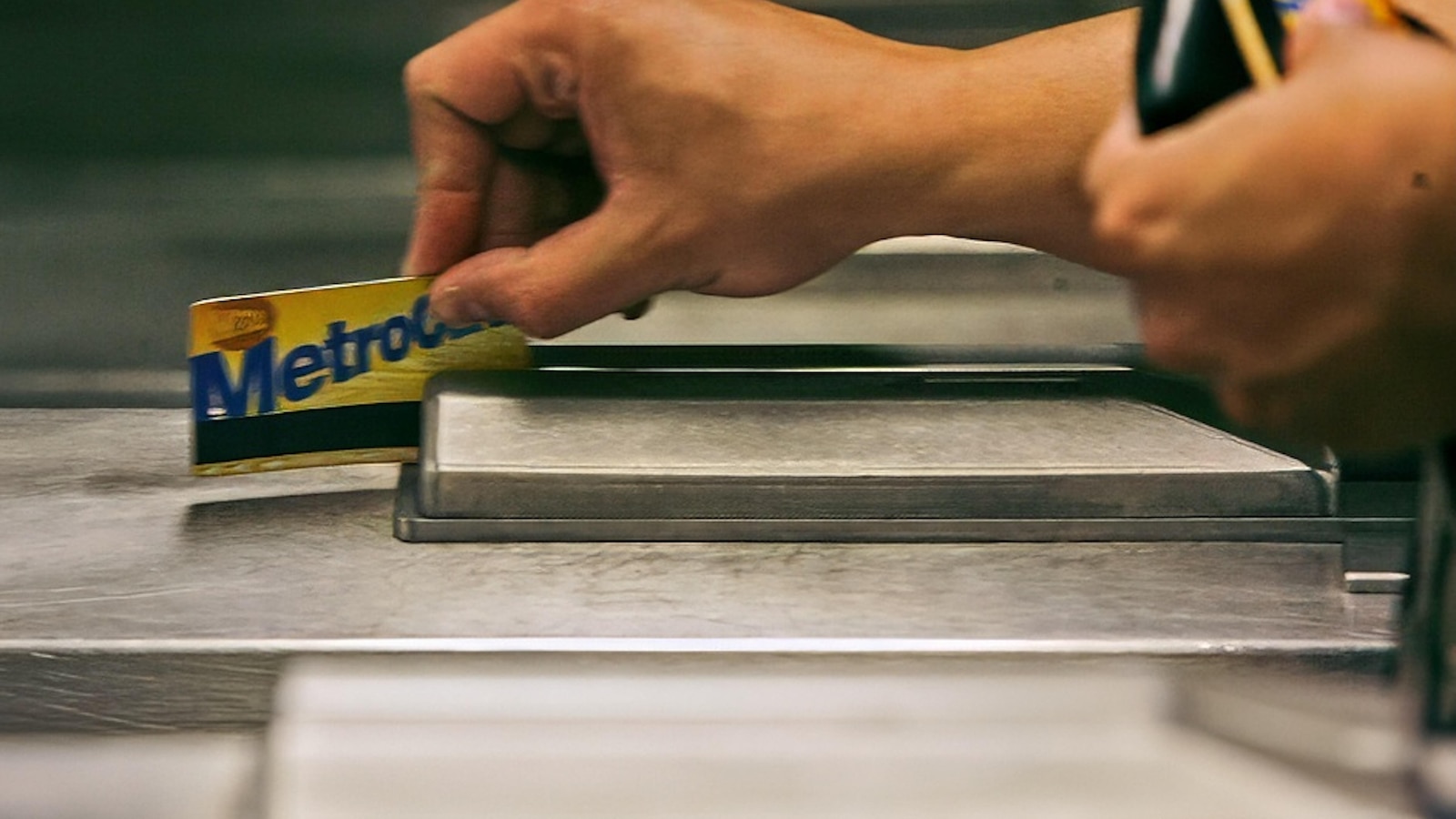
After over 30 years of swiping gold-hued cards through finicky magnetic strips, New York City's subway system is fully retiring the MetroCard. The last day to buy or refill these iconic fares is December 31, 2025, marking a complete shift to the OMNY tap-and-go system introduced in 2019. Riders can now simply tap credit cards, phones, or smart devices for seamless entry, mirroring everyday contactless purchases.[1][2]
Seamless Transition and Key Benefits
Over 90% of trips already use OMNY, minimizing disruptions compared to the MetroCard's 1994 debut replacing tokens. Existing MetroCards remain valid into 2026 for balance depletion, while new OMNY cards offer reload options for cash-preferring users. The switch saves the MTA at least $20 million yearly in production costs and introduces fare capping—unlimited rides after 12 in a week, maxing at $35 once fares hit $3 in January.[1][3]
What It Means for Riders
This modernization boosts convenience but sparks debates on data privacy and surveillance. Veterans like 70-year-old straphangers lament the nostalgia, citing clunky reload machines, yet most embrace the efficiency. OMNY cards, now $2 each, promise durability as MetroCards fade.[1][3]
About the Organizations Mentioned
MTA
The **Metropolitan Transportation Authority (MTA)** is North America's largest public transit system, operating buses, subways, commuter rails, bridges, and tunnels across New York City's metropolitan area, serving 15.3 million people in 12 New York counties and parts of Connecticut.[1][8] It carries over 11 million passengers daily on rail and 850,000 vehicles on its seven toll bridges and two tunnels, making it indispensable to one of the world's busiest urban economies.[1] Founded in 1965 as the Metropolitan Commuter Transportation Authority (MCTA) under Governor Nelson Rockefeller, it unified fragmented systems amid 1960s transit crises, including failing subways and commuter rails.[1][5][9] Rockefeller's 1967 bill expanded its oversight; by March 1968, it dropped "Commuter" from its name, absorbing the New York City Transit Authority (NYCTA, now MTA New York City Transit), Long Island Rail Road (LIRR), Triborough Bridge and Tunnel Authority (TBTA), and others like Metro-North Railroad and Staten Island Railway.[1][2][5] This merger preserved low fares (initially 20 cents) and modernized operations, incorporating the 1940 unification of private subway lines (IRT, BMT, IND).[5][6] Key achievements include the ambitious 1968 Program for Action, which spurred expansions, and sustaining massive ridership—NYCTA alone logs 8 million daily trips (2.5 billion annually).[1][2] The MTA's subsidiaries, like MTA Bus and Construction & Development, drive infrastructure upgrades, from signal modernizations to accessibility improvements.[1] Today, as a state public benefit corporation governed by a 21-member board (with appointees from the governor and mayor), the MTA faces challenges like aging infrastructure, post-pandemic recovery, and funding debates, yet remains vital for business connectivity in tech and finance hub