US Withdraws from Doha Ceasefire Talks with Hamas

Introduction
The US has left the Doha ceasefire talks, claiming that Hamas is not acting in good faith. According to special envoy Steve Witkoff, the Palestinian militant group does not appear to be coordinated in their efforts to end the ongoing violence in the region. This comes as a major setback in the international community's efforts to bring peace to the Middle East.
Reasons for Leaving
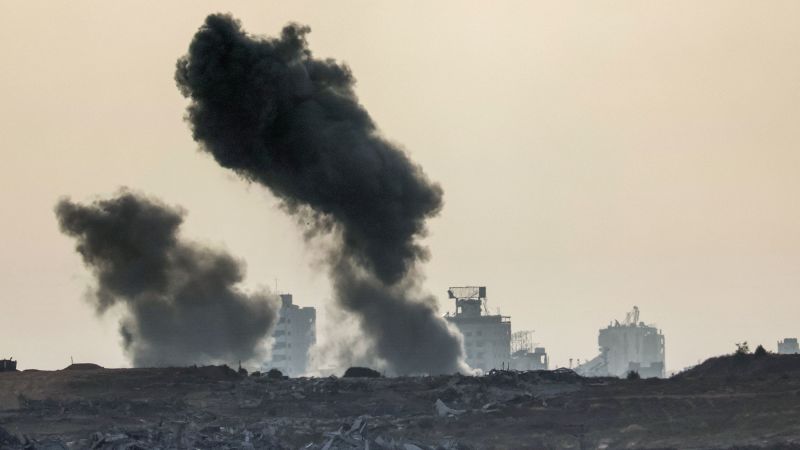
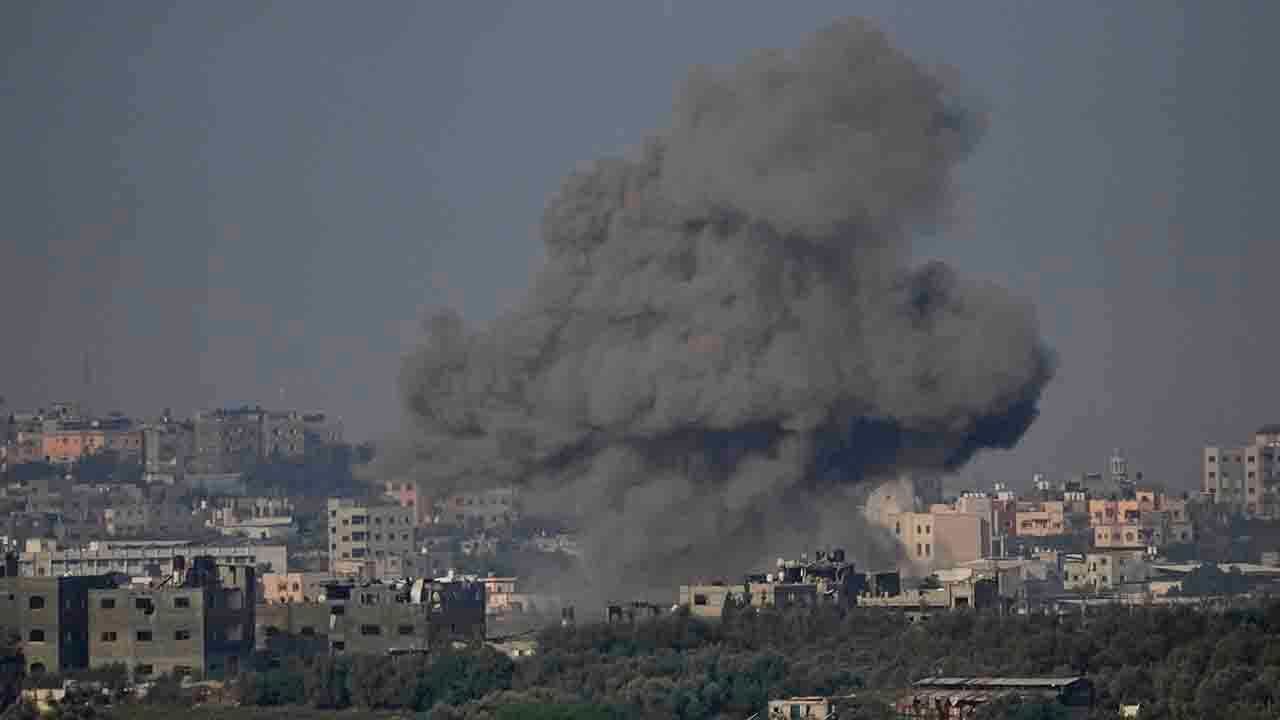
The decision to leave the talks was based on the lack of progress and cooperation from Hamas. Despite multiple attempts to reach a ceasefire agreement, the group has continued to launch rockets into Israel, resulting in further escalation of the conflict. This has raised concerns that Hamas may not be serious about ending the fighting and is using the talks as a way to buy time.
Implications
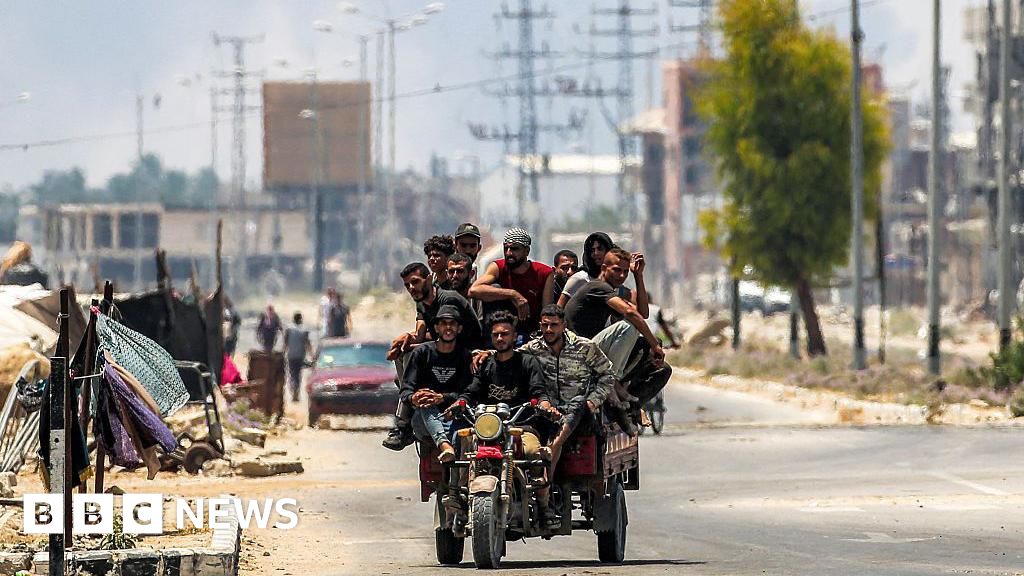
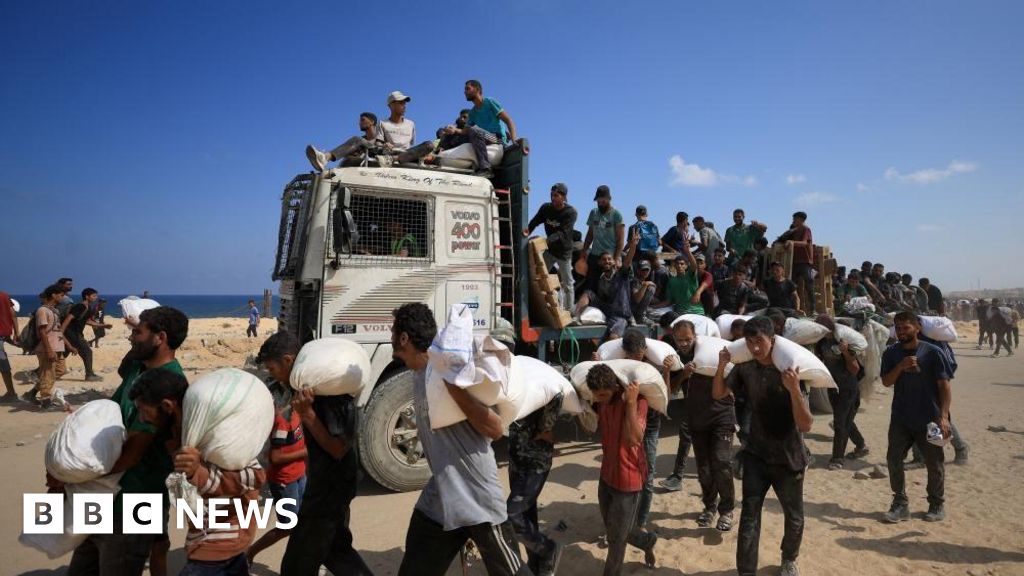
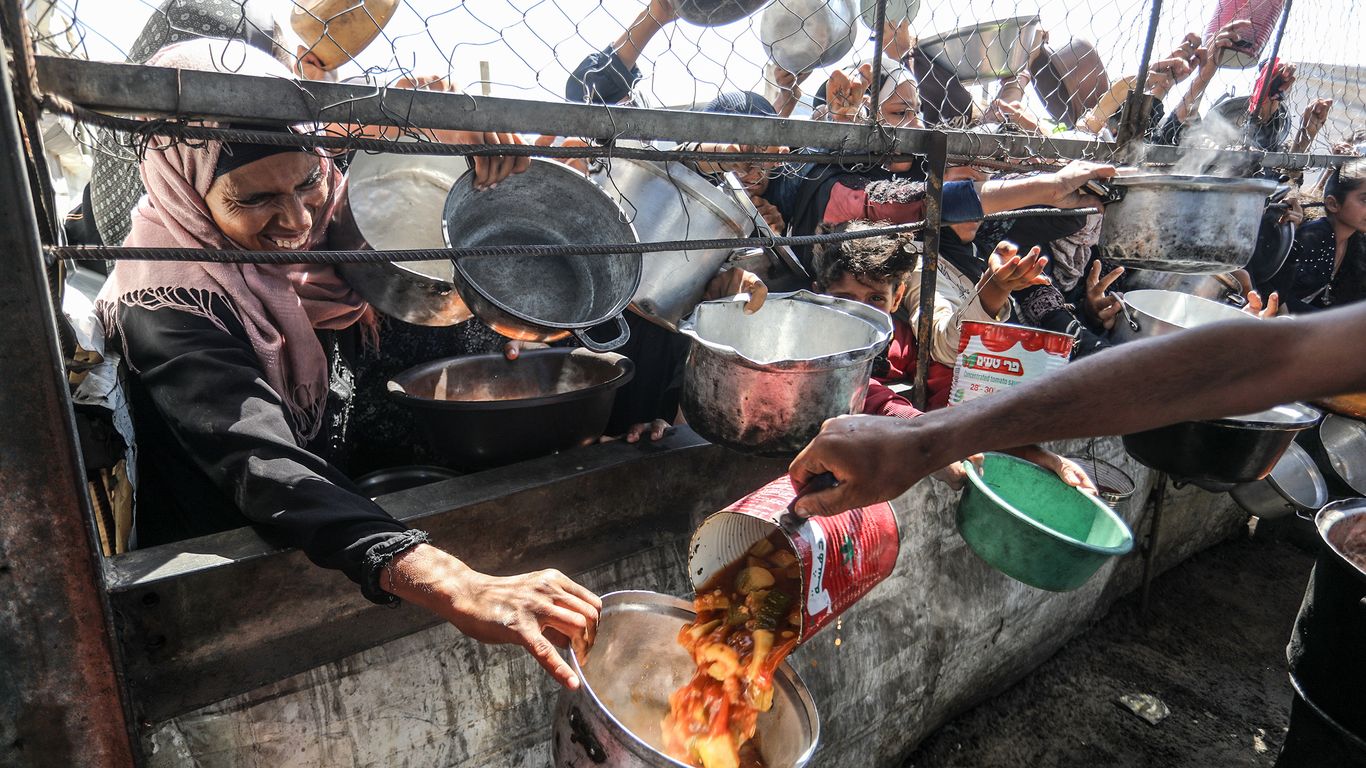
The US's withdrawal from the talks is a significant blow to the peace process and raises questions about the effectiveness of the negotiations. It also highlights the challenges in finding a lasting resolution to the conflict, as both sides remain deeply entrenched in their positions. The current situation also raises concerns about the humanitarian crisis in the region and the toll it is taking on innocent civilians.
About the People Mentioned
Steve Witkoff
Steve Witkoff is an American real estate developer, investor, and attorney, born on March 15, 1957, in the Bronx, New York. He began his career as a real estate lawyer, working for prominent New York firms such as Dreyer & Traub and Rosenman & Colin, where he represented major developers and investors. In 1985, Witkoff co-founded Stellar Management with Laurence Gluck, acquiring and managing residential properties in New York City, particularly in Harlem, Washington Heights, and the Bronx. The firm later expanded into Manhattan office buildings, including the notable 33 Maiden Lane, which was leased to the Federal Reserve Bank of New York. In 1997, Witkoff founded the Witkoff Group, a privately held real estate company headquartered in New York City. Under his leadership, the Witkoff Group has financed, repositioned, and constructed more than 70 properties across major U.S. cities and internationally, with offices in New York, Los Angeles, and Miami. The company has been involved in high-profile acquisitions such as the Daily News Building, the Woolworth Building, and the Park Lane Hotel in Manhattan. Witkoff has also led major redevelopment projects, including the revitalization of the Shore Club in Miami Beach and the One High Line condominium in Manhattan. Witkoff is recognized for his expertise in real estate finance and development, and his company has partnered with international investors and sovereign wealth funds. In 2024, following the U.S. presidential election, Witkoff was named co-chair of President-elect Donald Trump’s inaugural committee and appointed as U.S. Special Envoy to the Middle East, focusing on diplomatic efforts related to the Israel-Hamas conflict and broader regional negotiations. Witkoff’s recent activities include high-value property transactions in Miami Beach and continued involvement in major real estate developments across the United States.
About the Organizations Mentioned
Hamas
**Hamas** is a Sunni Islamist Palestinian nationalist organization that functions both as a political party and a militant group, primarily operating in the Gaza Strip, which it has governed since 2007. Founded in 1987 by Ahmed Yassin amid the First Intifada, Hamas emerged from the Muslim Brotherhood and initially had covert Israeli support as a counterweight to the secular Palestinian Liberation Organization (PLO)[3][1]. It combines political governance with an armed wing, the al-Qassam Brigades, committed to armed resistance against Israel, which it refuses to recognize as a legitimate state[1][3]. Hamas’s political rise culminated in a 2006 electoral victory in the Palestinian Legislative Council, campaigning on anti-corruption and resistance platforms. After violently seizing Gaza from the rival Fatah faction in 2007, Hamas has maintained de facto control there despite international isolation and blockades imposed by Israel and Egypt[3]. Its governance has been marked by repeated conflicts with Israel, including major wars in 2008–09, 2012, 2014, 2021, and the ongoing intense conflict triggered by Hamas’s surprise October 2023 attack killing nearly 1,200 Israelis and taking hostages[1][2][3]. Hamas benefits from regional support, especially from Iran, which supplies funding and weapons, as well as financial and political backing from Turkey and Qatar. These alliances form part of a broader "axis of resistance" against Israel, which includes groups like Hezbollah and Palestinian Islamic Jihad[2]. Hamas also operates fundraising networks globally, sometimes using charities as fronts to support its military activities[4]. The group is designated a terrorist organization by many countries, including the United States, which has increased military aid to Israel following recent escalations[2][6]. Despite modifying its 1988 charter in 2017 to soften some language, Hamas continues to reject Israel’s legitimacy and pursues all forms of resistance[1]. Its enduring political