The **Paris Agreement** is an international treaty adopted in 2015 under the United Nations Framework Convention on Climate Change (UNFCCC), officially effective from November 2016. It aims to combat climate change by keeping the global temperature rise well below 2°C above pre-industrial levels, with an aspirational target of limiting the increase to 1.5°C. This goal is crucial for minimizing the severe impacts of global warming, such as extreme weather, rising sea levels, and disrupted ecosystems[1][2][5].
Negotiated by 196 parties, the Agreement sets a framework for countries to submit voluntary, nationally determined contributions (NDCs) to reduce greenhouse gas emissions and to strengthen these commitments over time. It emphasizes transparency, accountability, and international cooperation, including financial and technical support for developing nations to adapt to climate impacts and transition to sustainable energy[1][2][5][6].
Key achievements include near-universal adoption, with 195 parties ratifying it by early 2023. It has spurred many countries, including major emitters like the US, EU, and China, to pledge stronger emission reductions and net-zero targets. For instance, the US committed to cutting emissions by 50-52% by 2030 relative to 2005 levels. Despite these efforts, global emissions have not yet declined sufficiently, and climate models predict warming could still exceed 2°C by 2100 if pledges are not more ambitious and enforced more rapidly[1][3].
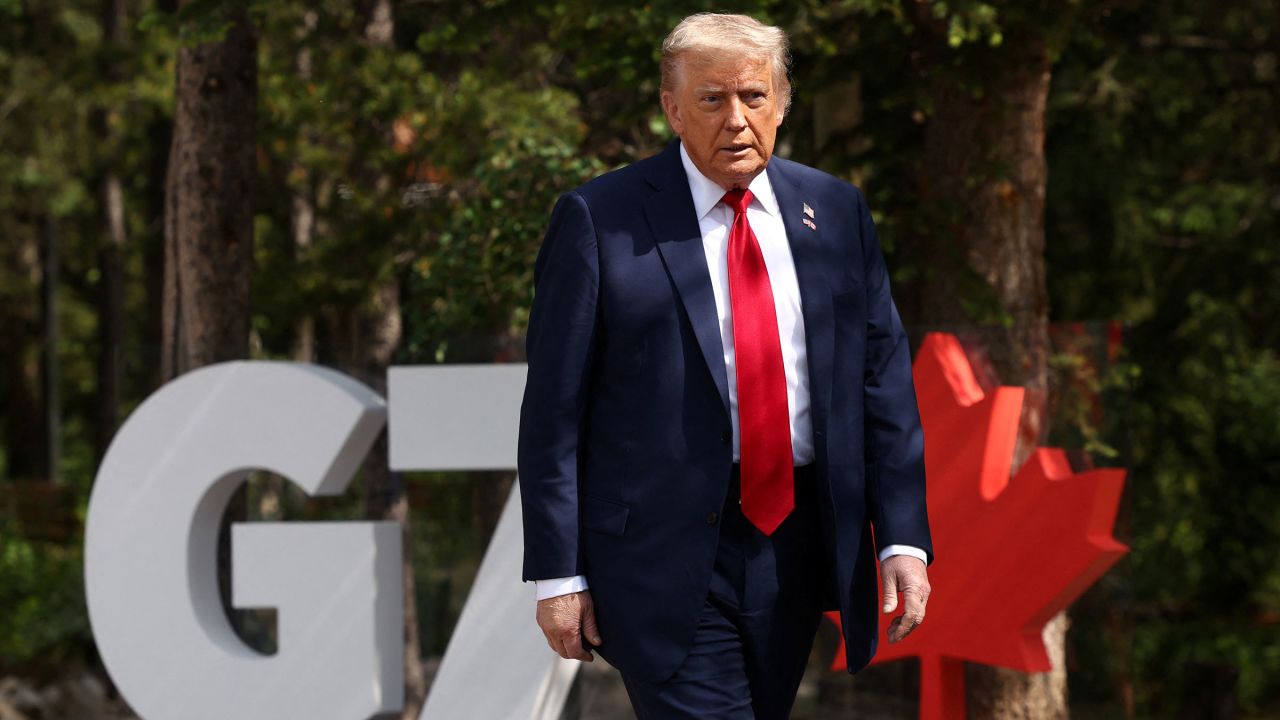
The Agreement's current status faces challenges, such as the US withdrawing again in 2025 under new policy priorities emphasizing national economic interests over international climate commitments[1][4]. Nevertheless, it remains the central global framework driving climate action, fostering innovation and investment in clean technology and sustainable business practices worldwide.
For business and technology sectors, the Paris Agreement catalyzes a transition toward green technologies, renewable energy, and carbon markets, shaping regulatory environments, investment flows, and corporate sustainability strategies globally