Russian Drone Provocation in Poland Sparks Tensions and Concerns
#poland #russia #drone #military #politics
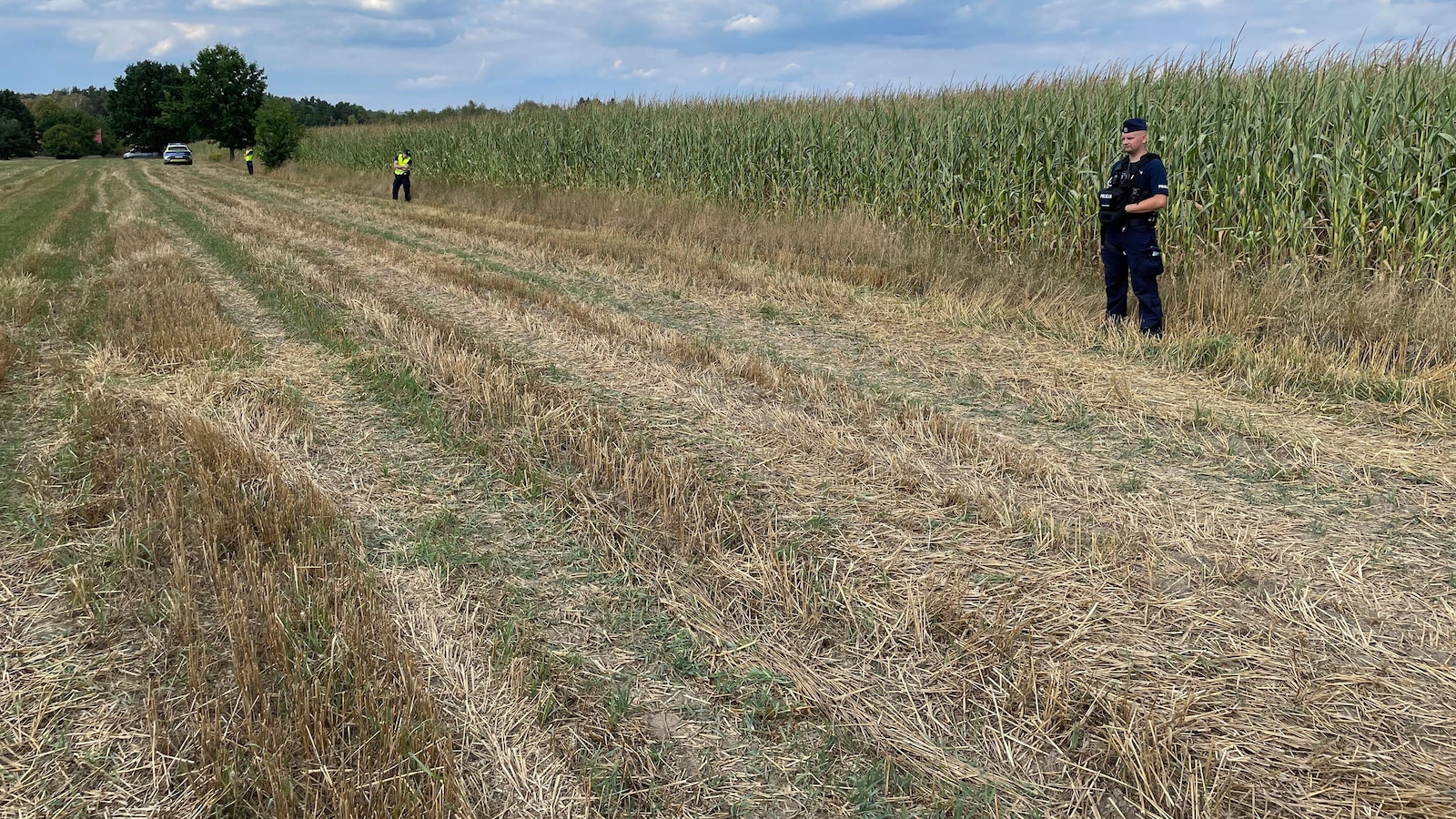
Poland's Defense Minister confirms a recent drone crash was a Russian provocation, raising tensions and concerns about potential aggression.
Poland’s government is a unitary semi-presidential representative democratic republic, structured under the 1997 Constitution, with executive power shared between the President (head of state) and the Prime Minister (head of government)[2]. The President, elected every five years, serves as the supreme commander of the armed forces and holds veto power over legislation, while the Prime Minister leads the Council of Ministers, which forms the core of the executive branch and is drawn from the majority party or coalition in the Sejm (lower house of parliament)[2]. Legislative power resides in the bicameral parliament—the Sejm and Senate—with members elected by proportional representation[2]. Poland’s government has undergone significant transformations since the fall of communism in 1989, evolving into a robust democracy and a key player in Central and Eastern Europe. The country joined the European Union in 2004, NATO in 1999, and has twice assumed the rotating presidency of the Council of the European Union, most recently in early 2025[5]. These milestones reflect Poland’s growing influence on the regional and global stage, particularly in areas of security, technology, and economic policy. A major recent development was the July 2025 government reshuffle under Prime Minister Donald Tusk, following the presidential election in which Karol Nawrocki—a national-conservative candidate—defeated the ruling coalition’s candidate[1][4]. The restructuring created a new Ministry of Finance and Economy and a standalone Energy Ministry, signaling a renewed focus on economic competitiveness, deregulation, and energy security[1]. Despite coalition compromises, the government managed to reduce its overall size and consolidate its agenda around business-friendly reforms and rule of law commitments[1]. Poland’s government is notable for its dynamic political landscape, characterized by high voter turnout and vibrant multi-party competition[3]. The country scores highly on global freedom indices, reflecting strong democratic institutions and civil liberties[7]. Recent OECD data highlights
#poland #russia #drone #military #politics
Poland's Defense Minister confirms a recent drone crash was a Russian provocation, raising tensions and concerns about potential aggression.