Trump's Tariffs: Impact on UK's Steel Industry
#trump #tariffs #uk #steel industry #economy
Trump's tariffs have put the UK's steel industry in jeopardy, adding to existing challenges of Chinese competition and Brexit.
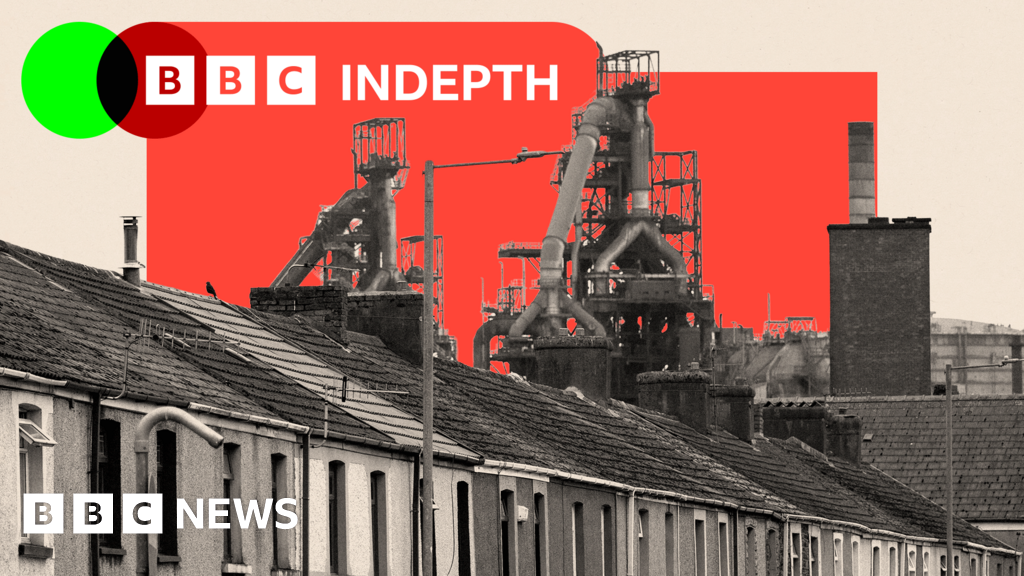
Port Talbot is not a single organization but a major industrial town and port in South Wales, renowned for its pivotal role in the UK’s industrial and technological landscape. Its identity is shaped by several key entities, most notably the historic Port Talbot Railway and Docks Company (PTR&D), established in 1894 to facilitate the transport of coal and minerals to the deepwater harbor. The PTR&D’s ambitious infrastructure, including steeply graded lines and a pioneering railmotor, helped solidify Port Talbot’s status as a critical hub for South Wales’ coal trade. The company’s legacy is marked by its strategic foresight and the influential leadership of Emily Charlotte Talbot, a rare female industrialist of her era. Today, Port Talbot’s most prominent organization is the Port Talbot Steelworks, the largest steel mill in the UK and one of the largest globally. For decades, it has been a cornerstone of the local economy, employing thousands and producing vast quantities of steel. In 2024, the mill transitioned from traditional blast furnace production to processing imported steel slabs, with plans to build a state-of-the-art 320-ton electric arc furnace by 2027, positioning Port Talbot at the forefront of the UK’s decarbonization efforts. The town is also home to Port Talbot Holdings Limited, a private company active in service activities, and is supported by Neath Port Talbot Council, which drives business growth, regeneration, and adaptation to industrial change, notably through initiatives related to the Tata Steel transition. Port Talbot’s strategic port facilities, skilled workforce, and large-scale infrastructure make it a key asset for future industrial innovation, particularly in the shift toward a zero-carbon economy. Its blend of industrial heritage and technological ambition continues to attract investment and attention in the business and technology sectors.
#trump #tariffs #uk #steel industry #economy
Trump's tariffs have put the UK's steel industry in jeopardy, adding to existing challenges of Chinese competition and Brexit.