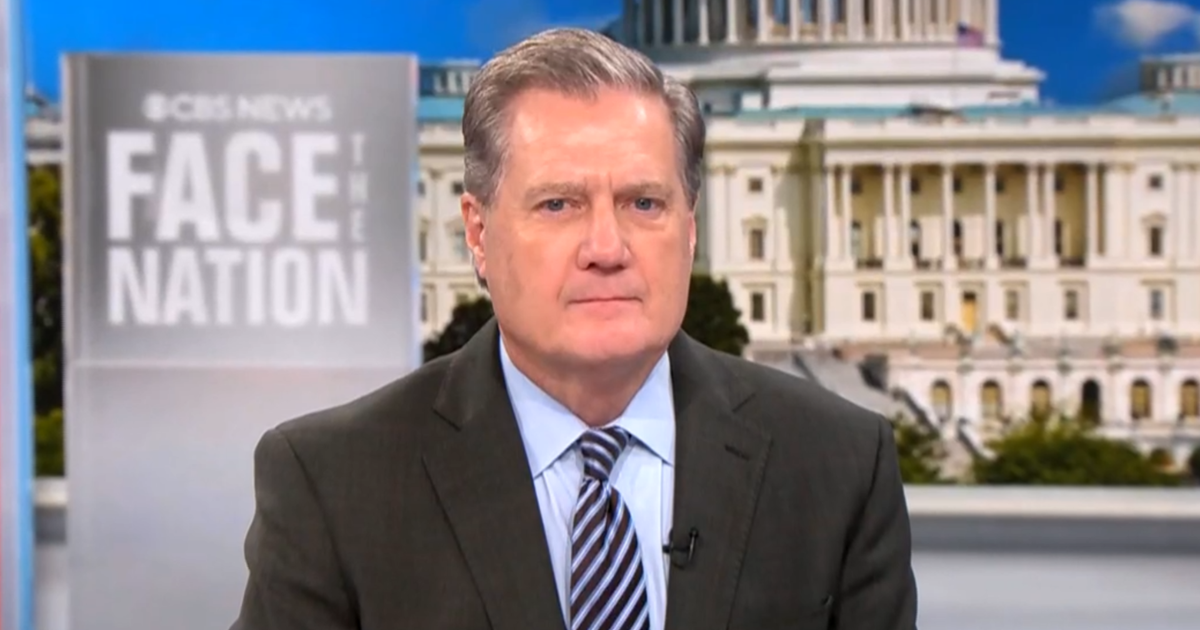
Controversy Surrounding Senate Majority Leader's Rescissions Amendment Deal
Senate Majority Leader John Thune's proposal to cut spending in certain areas of the federal budget has sparked controversy and speculation from both sides of the aisle.
## Overview of the Senate Majority Leader The "Senate Majority Leader" is not an organization but rather a high-ranking leadership position within the United States Senate, serving as the chief representative and strategist for the majority party in the chamber[1][2][6]. While the Vice President technically presides over the Senate, the Majority Leader is, in practice, the most powerful figure in the Senate, responsible for managing the legislative agenda, scheduling debates, and guiding the passage of legislation[1][2][6]. ## Role and Responsibilities The Senate Majority Leader is the day-to-day manager of Senate business, coordinating with committees, setting the sequence of debate, and ensuring party discipline among senators[1][2]. This leader exercises broad procedural powers, including the right of priority recognition on the Senate floor, which allows them to control the flow of legislation and block or advance bills as they see fit[1][6]. The Majority Leader also builds consensus within their party, acts as the primary spokesperson for Senate Republicans (or Democrats, depending on which party holds the majority), and works closely with other elected leaders to shape policy outcomes[1][2]. ## Historical Context The position of Senate Majority Leader has evolved over time, reflecting changes in Senate rules and the increasing complexity of the legislative process. While the Constitution designates the Vice President as President of the Senate, this role is largely ceremonial, and the real power lies with the Majority Leader[6]. The modern system of party leadership in the Senate began to take shape in the early 20th century, with the Majority Leader emerging as the central figure in managing legislative strategy and party cohesion. ## Key Achievements and Notable Aspects Senate Majority Leaders have been instrumental in passing landmark legislation, from New Deal reforms to civil rights laws and major budget deals. Their ability to control the legislative calendar and broker compromises between factions within their party has often determined the success or failure of significant policy initiatives[1][6]. The Majority Leader’s power
Senate Majority Leader John Thune's proposal to cut spending in certain areas of the federal budget has sparked controversy and speculation from both sides of the aisle.