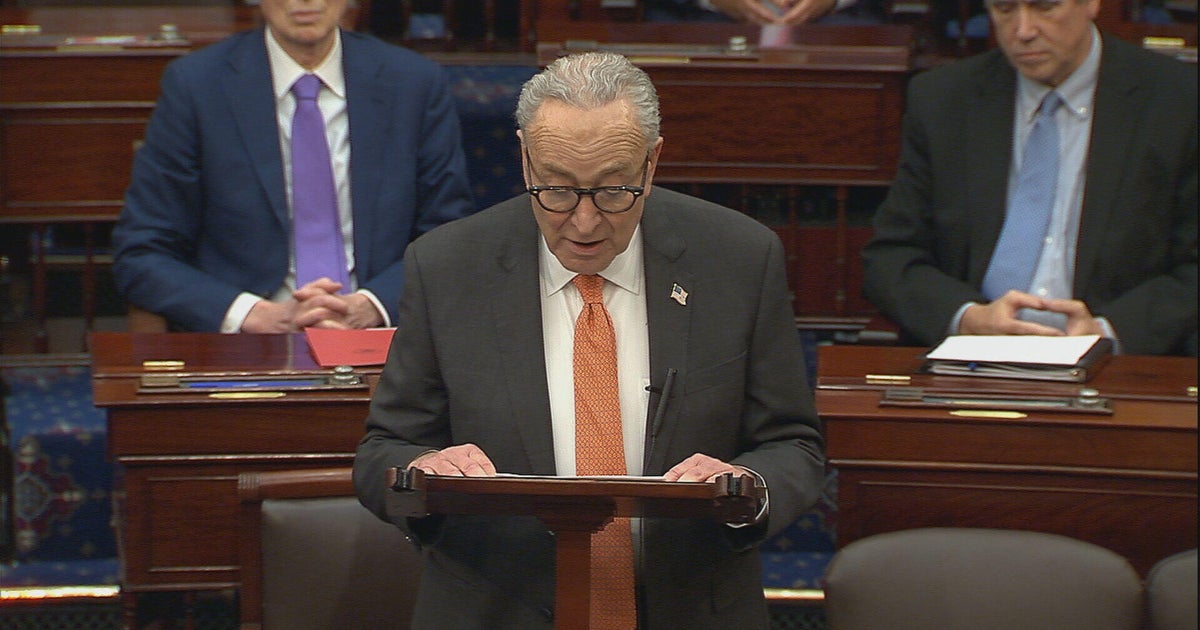
The **Senate Republicans** are the members of the Republican Party serving in the United States Senate, currently holding the majority in the 119th Congress (2025–2027) with 53 seats out of 100. This majority status gives them control over Senate leadership, committee chairmanships, and legislative agenda-setting[4][6]. The Senate Republicans play a critical role in shaping federal legislation, particularly in areas impacting business and technology, such as tax policy, regulatory reform, and judicial appointments.
Historically, the Senate Republican Conference has been a key force in U.S. politics since the party's founding in the 1850s, influencing major national policies and governance. In recent decades, their influence fluctuated with electoral dynamics but notably regained Senate control following the 2024 elections, where Republicans secured a three-seat majority, marking a significant political shift that also includes control of the House and the presidency, enabling a unified Republican government for the first time since 2017[2][6].
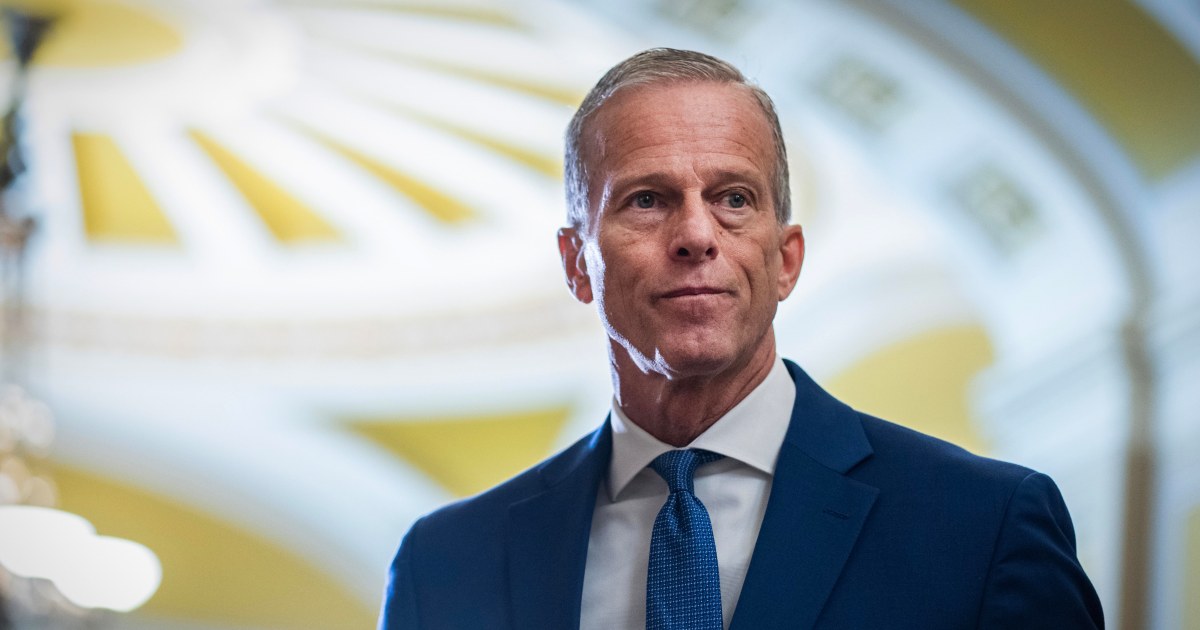
The leadership structure within Senate Republicans includes the Senate Majority Leader, currently Senator John Thune, who manages the legislative calendar, coordinates with committees, and serves as the chief spokesperson for Senate Republicans. The Assistant Majority Floor Leader or Republican Whip supports vote counting and party discipline, essential for advancing the Republican legislative agenda[1][7]. Senate Republicans also hold key committee leadership roles, such as the Finance and Judiciary Committees, which are influential in shaping policies on taxation, healthcare, technology regulation, and judicial appointments—matters closely watched by the business and tech sectors[3].
Their current agenda is expected to focus on economic growth, job creation, regulatory reform, and constitutional issues, which are crucial for industries navigating federal policy. The Republican majority’s control over committees enhances their ability to influence legislation and oversight, impacting sectors like technology, energy, and finance. This strategic position requires strong coordination within the party and with external stakeholders, including businesses and lobbyists, to effectively drive legislation aligned with