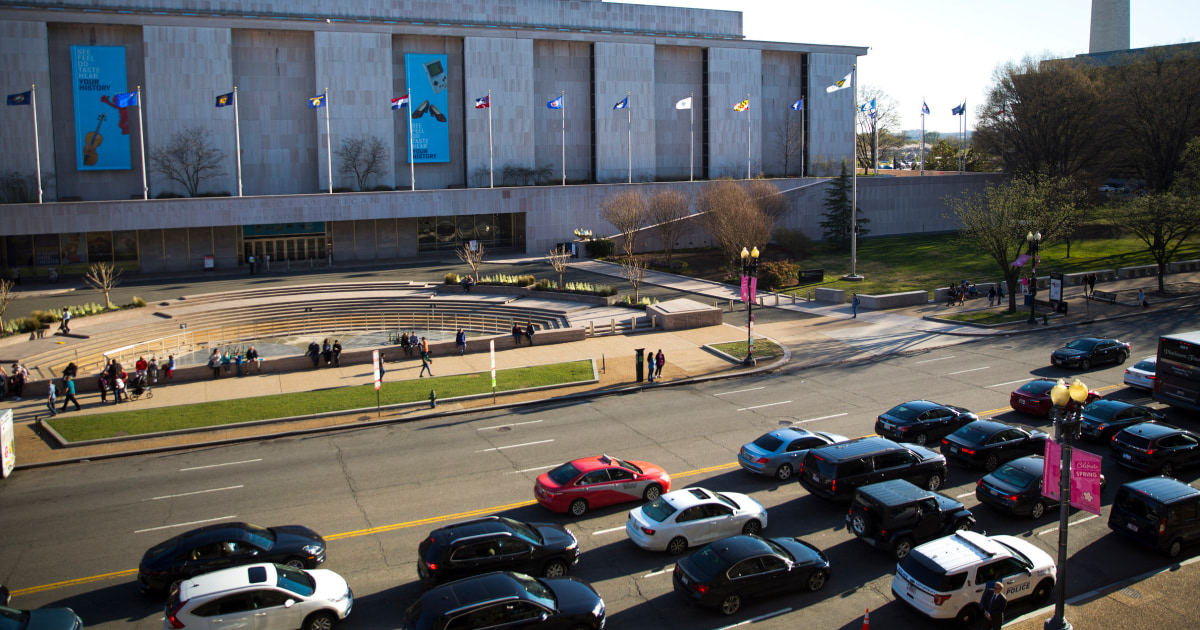
The Smithsonian Institution is the world's largest museum and research complex, located in Washington, D.C. It was established in 1846 with a bequest from British scientist James Smithson, who left his estate to the United States to found an institution dedicated to "the increase and diffusion of knowledge among men" [2][4]. The organization operates as a trust instrumentality, separate from the federal government's three branches, and is governed by a Board of Regents that includes the Vice President, the Chief Justice of the U.S. Supreme Court, and members of Congress [3][4].
### History
The Smithsonian's history began with Smithson's will in 1826, which stipulated that his estate should go to the United States if his nephew died without heirs. This occurred in 1835, and Congress accepted the bequest in 1836 [4]. The institution was formally established on August 10, 1846, with President Polk signing the act into law [4][5].
### Key Achievements and Current Status
Today, the Smithsonian comprises 21 museums, multiple research centers, and the National Zoo, housing over 137 million objects [3][7]. It is renowned for significant contributions to science, technology, and culture. The institution's collections include artifacts from the U.S. Exploring Expedition, which greatly enhanced its national importance and prestige [2]. The Smithsonian also hosts the National Air and Space Museum, the National Museum of Natural History, and the National Gallery of Art, among others [5].
### Notable Aspects
The Smithsonian is not only a repository of historical artifacts but also a hub for scientific research and innovation. It has been led by notable secretaries, including Joseph Henry and S. Dillon Ripley, who have shaped its mission and impact [6]. The institution continues to evolve, embracing digital technologies to expand its reach and make its vast collections accessible globally.