The Controversy Surrounding Alabama's First Execution by Nitrogen Gas
Introduction
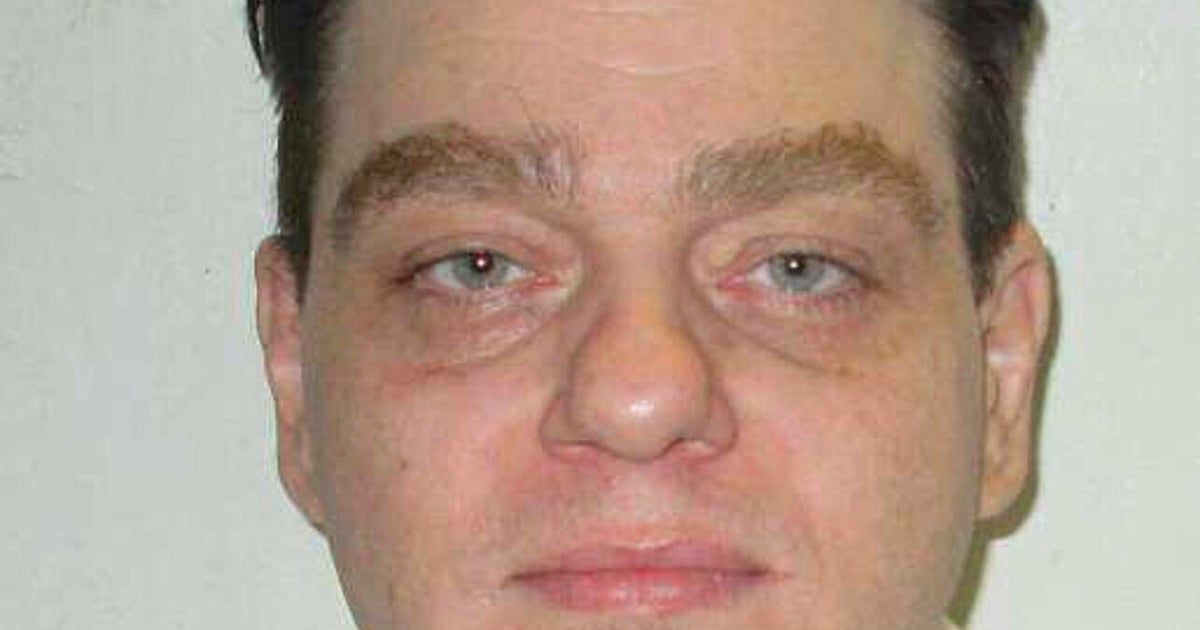
On Thursday night, Alabama executed 50-year-old Geoffrey Todd West by nitrogen gas for the 1997 murder of 33-year-old store clerk Margaret Parrish Berry. West's execution marks the first time this method has been used in Alabama, as the state recently switched from using lethal injection due to difficulties obtaining the necessary drugs. This decision has sparked controversy and raised questions about the use of nitrogen gas as a form of capital punishment.
Key Details
The trial for West's case was highly publicized, with Berry's family and friends seeking justice for her senseless death. During the trial, it was revealed that West had a previous criminal record and was on parole at the time of the murder. The use of nitrogen gas as a means of execution has been heavily debated, with some arguing that it is a more humane alternative to lethal injection, while others believe it is a cruel and unusual punishment. This execution also brings attention to Alabama's use of the death penalty, as it is one of the few states that still actively carries out executions.
Impact
West's execution has brought closure for Berry's loved ones, but it also raises questions about the use of the death penalty and the method of execution. The use of nitrogen gas has been called into question for its potential to cause pain and suffering, as well as its untested and unproven
About the People Mentioned
Geoffrey Todd West
Geoffrey Todd West was an American convicted murderer executed in Alabama in 2025 for a 1997 capital murder. On March 27, 1997, West and his girlfriend went to Harold’s Chevron, a convenience store where he had previously worked, intending to rob it. West, armed with a .45 caliber handgun, held the store clerk, Margaret Parrish Berry, at gunpoint, took $250 from the store’s cash, and fatally shot Berry in the back of the head while she was lying face-down behind the counter. He was convicted of capital murder on June 1, 1999, and sentenced to death following a jury recommendation of 10-2[1][2][3]. West spent more than two decades on death row before his execution by nitrogen hypoxia—breathing pure nitrogen gas to cause death by oxygen deprivation—at the William C. Holman Correctional Facility in Atmore, Alabama, on September 25, 2025. He was 50 years old at the time. This execution marked one of the first uses of nitrogen gas as a method in the United States, with Alabama being a pioneer state in this approach[1][2][3][6]. In interviews before his execution, West expressed regret for his crime, stating he struggled to understand his actions and wished he could take them back. He apologized privately to Berry’s family and spoke of seeking peace through his recent baptism and confirmation into the Catholic Church. Despite an appeal from Berry’s son for clemency and to deliver a message of forgiveness, the governor allowed the execution to proceed. West received visits from family, attorneys, and a spiritual advisor in his final hours and declined a special last meal but ate some offered food[2][3][4]. Alabama Attorney General Steve Marshall framed the execution as upholding justice and accountability, emphasizing the state's commitment to victims and communities. West's case remains notable for the use of nitrogen hypoxia and the complex dynamics surrounding capital punishment and forgiveness in Alabama[1][3][4].