Ancient Arctic Rhino Epiaceratherium Itjilik Rewrites Miocene Migration

Rewriting Rhinos’ Ancient Arctic Journey
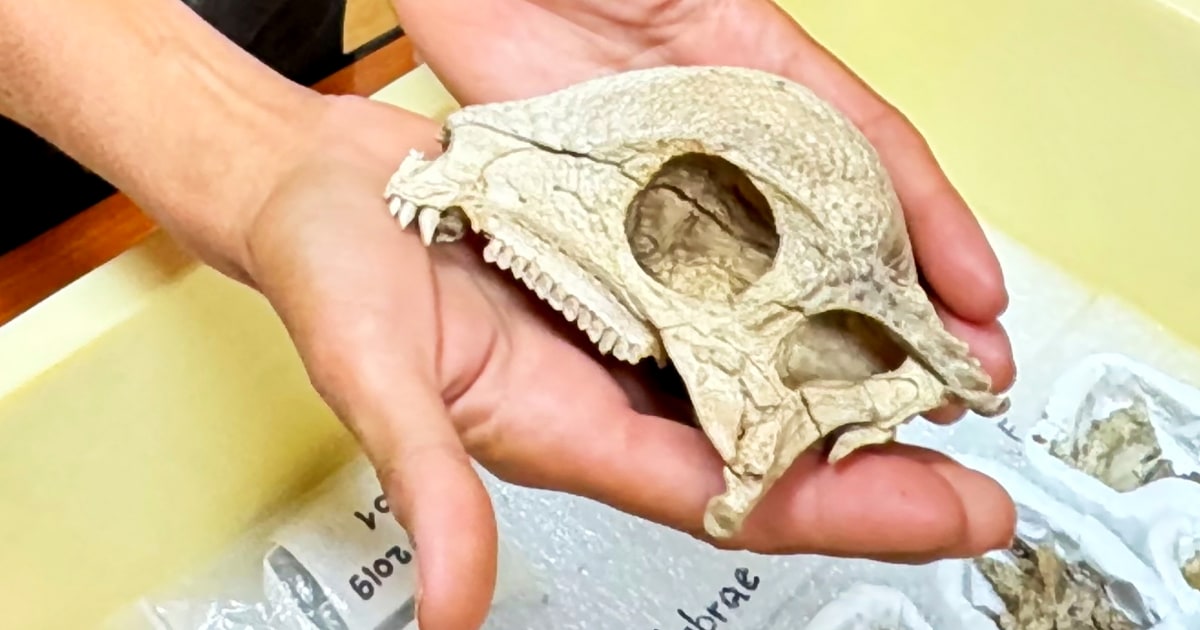
A remarkable discovery of a 23-million-year-old rhinoceros fossil in Canada’s High Arctic is reshaping the story of ancient mammal migrations. Named Epiaceratherium itjilik, this hornless rhino species lived during the Early Miocene epoch in what was then a temperate forest, not the icy tundra we see today. The fossil, found in Nunavut’s Haughton Crater, is about 75 percent complete and is the northernmost rhino ever discovered.
Insights Into Evolution and Migration
The Arctic rhino’s close relation to ancient European species suggests that rhinos crossed the North Atlantic Land Bridge much later than previously believed. This land connection, spanning Greenland, facilitated animal migrations between continents during the Miocene. The discovery challenges earlier timelines and highlights the Arctic’s key role in mammalian evolution and diversification.
Significance for Paleontology
The exceptional preservation of the fossil provides rare anatomical details that enrich our understanding of rhinoceros evolution. This find underscores how shifting climates and land formations influenced species dispersal, offering new perspectives on prehistoric ecosystems and evolutionary pathways in the High Arctic region.