Ancient Hearth Discovery: Fire-Making in Prehistory
Ancient Hearth Discovery
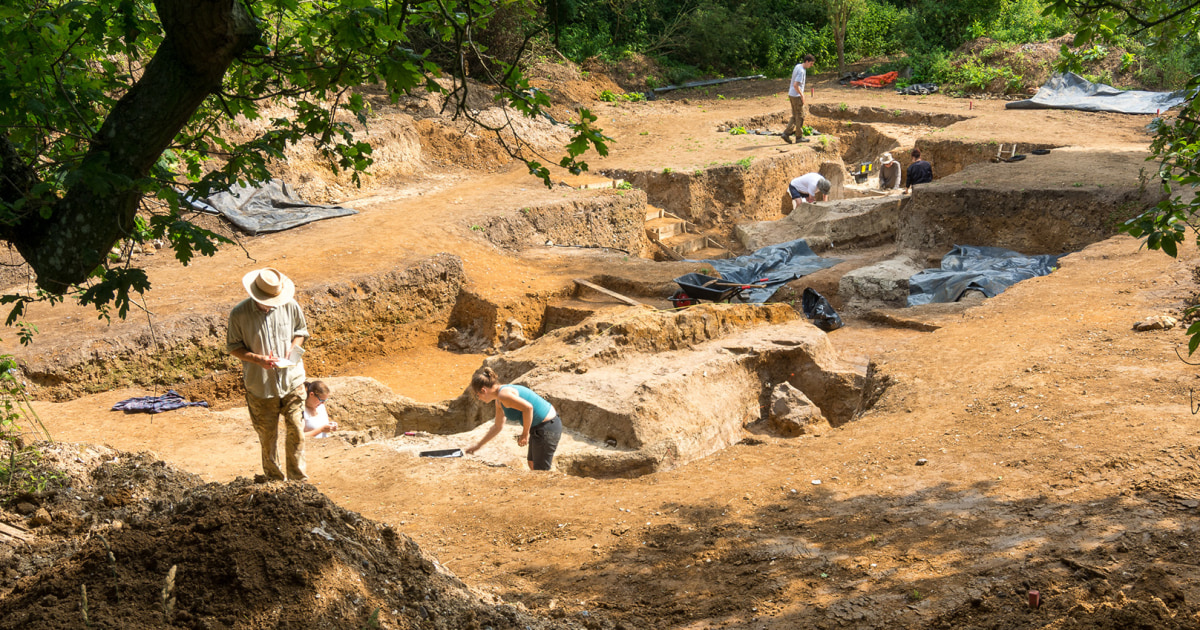
Archaeologists have uncovered a 400,000-year-old hearth in southern England, providing the oldest known evidence that early humans could create and control fire independently. This discovery pushes back the timeline of fire-making by roughly 350,000 years and suggests early Neanderthals deliberately maintained flames for warmth and cooking, rather than merely using natural fires[1][2].
Significance of Controlled Fire
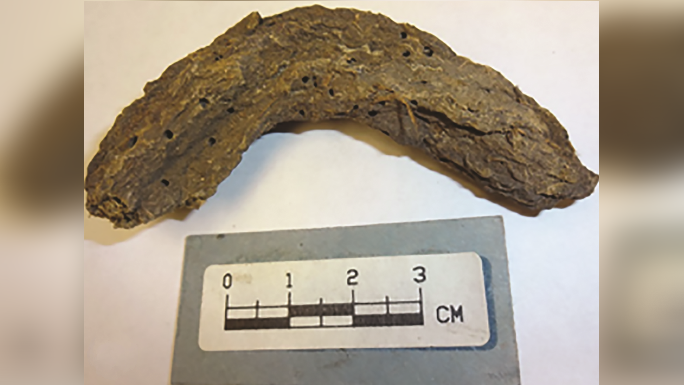
The site contained fire-cracked flint and rare pyrite fragments, likely used to strike sparks, indicating an advanced understanding of fire-starting techniques. This implies early humans had developed social rules and cooperative labor to manage fire, highlighting complex cognitive and cultural development long before modern Homo sapiens emerged[1][4].
Broader Implications
This finding enriches our understanding of prehistoric life, showing that the ability to tame fire was a pivotal step in human evolution. It allowed for extended activity after dark, cooking, and protection, marking a transformative leap in early human behavior and social organization[3][4].