Argentina's Economy Suffers Defeat in Provincial Election
Introduction
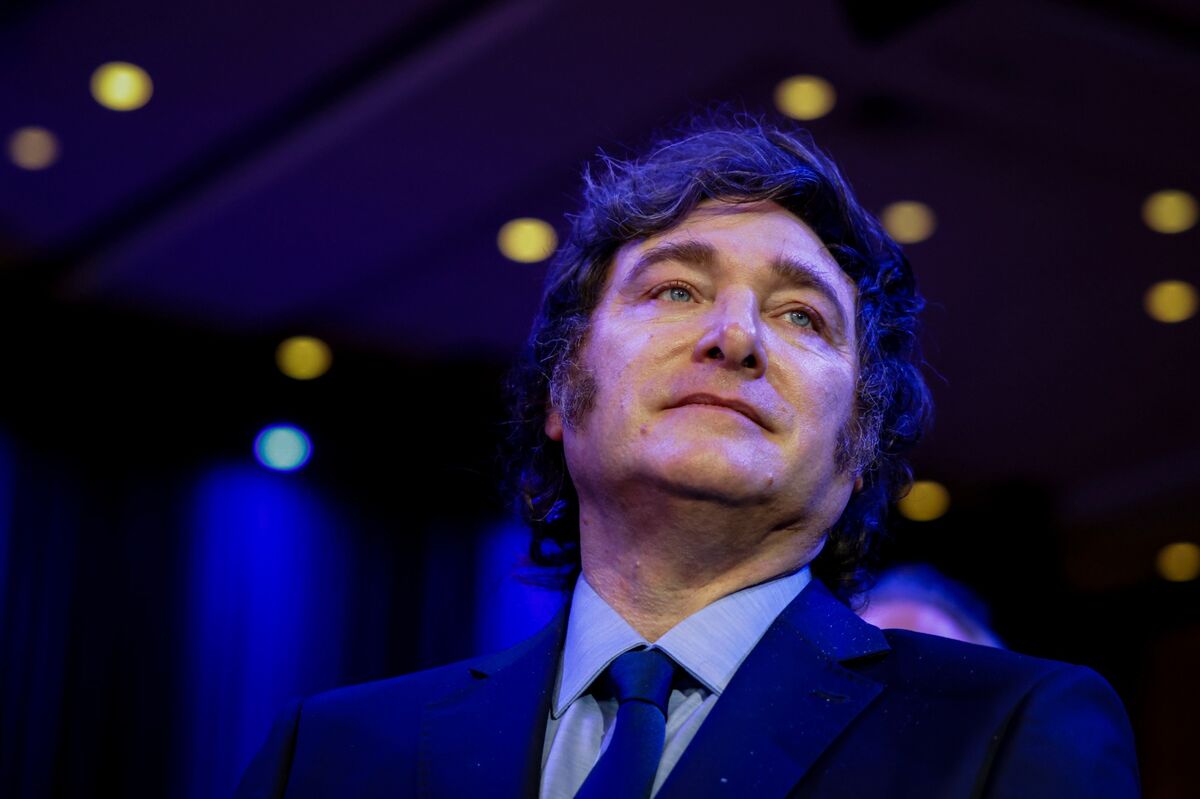
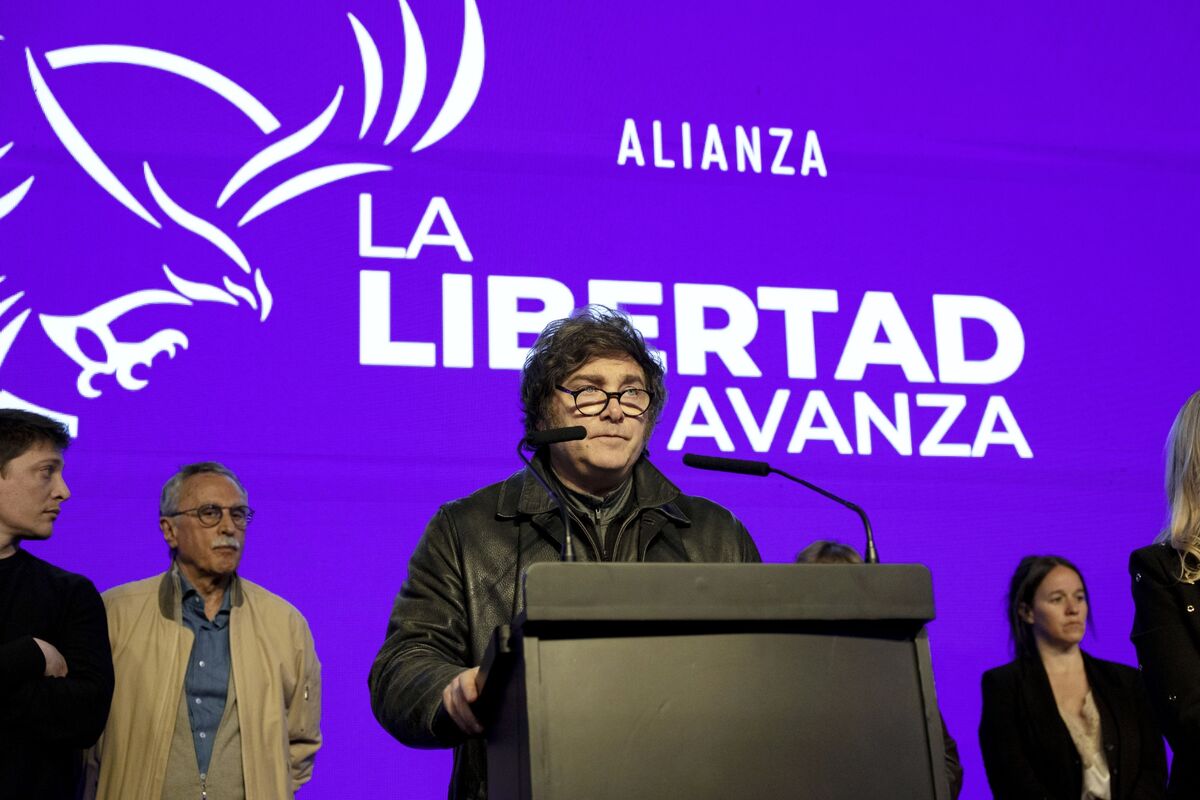
Argentina's economy has taken another hit as President Javier Milei's party suffered a landslide defeat in a key provincial election, causing the country's currency, bonds, and stocks to plummet. This defeat has raised concerns about the administration's ability to sustain its economic overhaul without sufficient political support.
Current Economic Situation
Argentina's economy has been struggling for years, with high inflation rates and a weakening currency. In an effort to revitalize the economy, President Milei implemented a series of reforms, including cutting government spending and reducing subsidies. However, these measures have been met with opposition and have not yielded the desired results. This recent election defeat further highlights the challenges facing the administration and the country's economic stability.
Implications
The defeat in the provincial election has significant implications for Argentina's economy. The lack of political support for the administration's reforms raises concerns about the future of the country's economic stability. Additionally, the plunge in the currency, bonds, and stocks have a direct impact on the daily lives of citizens and businesses. It is crucial for the government to address these challenges and find a way to gain the necessary support to sustain economic growth and stability. The coming months will be critical in determining the country's economic future.
About the People Mentioned
Javier Milei
Javier Milei, born October 22, 1970, in Buenos Aires, Argentina, is a right-wing libertarian economist and politician who has served as President of Argentina since December 10, 2023.[1][2] He earned a degree in economics from the University of Belgrano, along with master's degrees from the Institute of Economic and Social Development and Torcuato Di Tella University, where he shifted from Keynesian views to Austrian and libertarian theories.[1][2][6] Milei's professional career included roles as a senior economist at HSBC Argentina, head economist at Máxima AFJP—a private pension fund—and financial analyst for Corporación América under billionaire Eduardo Eurnekian.[1][2][6] He gained fame in the 2010s as a outspoken television pundit, criticizing Argentina's political elite for hyperinflation, currency devaluation, and poverty amid 140% annual inflation and 40% poverty rates in 2023.[1][3][4] Entering politics in 2021, Milei founded La Libertad Avanza and won a seat in the Chamber of Deputies for Buenos Aires, where he raffled his salary monthly to supporters.[1][3] In 2023, riding voter frustration, he triumphed in the presidential election, winning 21 of 24 districts and defeating Sergio Massa by a double-digit margin.[1][2][3] As president, Milei pursued "shock therapy" reforms inspired by Carlos Menem's 1989-1999 neoliberal agenda, including deregulation and fiscal austerity, contrasting gradualism under Mauricio Macri.[3][4] By July 2024, his government passed key legislation and secured deals with provincial governors.[3] Two years into office by late 2025, La Libertad Avanza secured 41% in October 2025 congressional elections, gaining the largest parliamentary bloc with 95 members despite earlier corruption allegations against allies.[5] Milei remains a confrontational figure, known for his media presence and narrow but dedicated base, primarily young males, amid ongoing economic challenges.[1][3][5]
About the Organizations Mentioned
World Health Organization
The World Health Organization (WHO) is a specialized agency of the United Nations, established in 1948, with a mandate to promote global health, coordinate international responses to public health threats, and set standards for health policies and interventions[2]. Headquartered in Geneva, Switzerland, WHO operates in over 150 countries, working with governments, NGOs, and other partners to advance health equity, strengthen health systems, and respond to health emergencies. ## What WHO Does WHO’s core activities include monitoring global health trends, setting international health standards, providing technical assistance to countries, and serving as a forum for scientific and policy discussions on health issues[2]. The organization publishes influential reports such as the annual **World Health Statistics**, which tracks progress toward Sustainable Development Goals (SDGs) and provides a global “health report card”[1][8]. WHO also maintains the Model List of Essential Medicines, guiding countries on which drugs are most critical for public health[7]. In addition, WHO leads global campaigns on issues ranging from infectious disease eradication to noncommunicable diseases (NCDs), maternal and child health, and health emergencies[2][6]. ## History and Key Achievements WHO’s history is marked by landmark achievements, including the eradication of smallpox, near-eradication of polio, and the development of an Ebola vaccine[2]. The organization played a pivotal role in responding to the COVID-19 pandemic, coordinating global research, vaccine distribution, and public health guidance. In May 2025, WHO member states adopted the world’s first **Pandemic Agreement**, a historic step to improve international coordination and equity in future health crises[4]. WHO also spearheads initiatives like the Triple Billion Targets (healthier lives, universal health coverage, and protection from health emergencies) and technical policy packages targeting tobacco, alcohol, salt, and trans fat reduction[1][2]. ## Current Status and Notable Aspects WHO is currently implementing its **Fou