US Unemployment Claims Rise Slightly, Fed Cues in Focus
US Unemployment Insurance Weekly Claims Rise Slightly
Initial jobless claims in the US climbed to 212,000 for the week ending February 21, up 4,000 from the prior week's revised figure of 208,000. This marked a modest increase from the unexpectedly low 206,000 initially reported, though it fell short of market forecasts around 215,000. Forex traders on platforms like Forex Factory closely monitor these releases for labor market signals influencing currency pairs.
Key Metrics and Trends
The 4-week moving average edged up to 220,250, rising 750 from the previous 219,500, indicating underlying stability amid weekly volatility. Continued claims offer further insight into sustained unemployment, approximating insured jobless levels. Compared to earlier 2026 weeks, claims remain below prior year figures like 243,000, suggesting a resilient job market despite seasonal fluctuations.
Implications for Markets and Economy
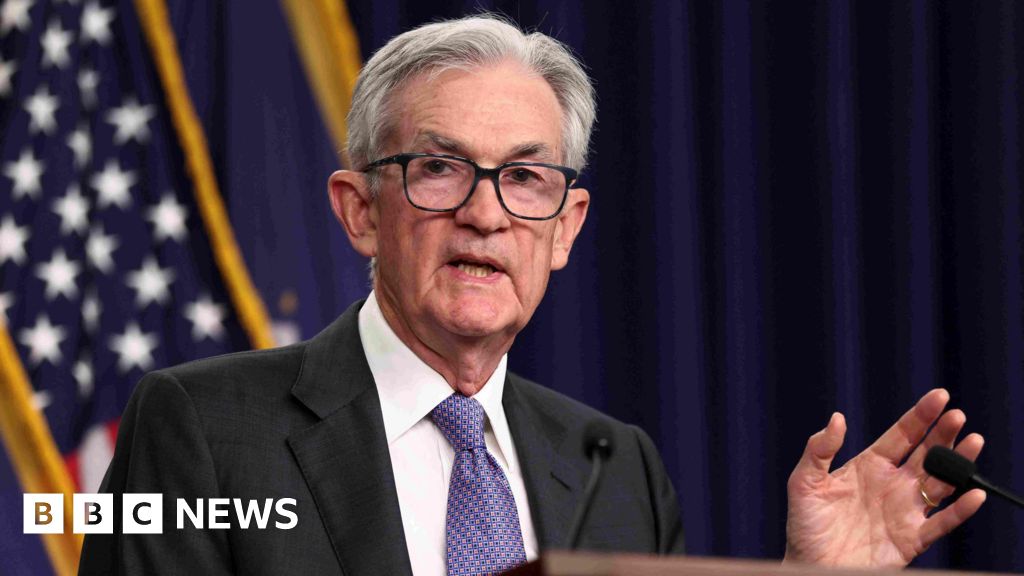
Lower claims signal robust employment, boosting consumer spending and economic growth, but persistent tightness could fuel wage inflation. Investors watch for Federal Reserve cues on rates, as tighter labor markets might prompt hikes, pressuring stocks and bonds while strengthening the dollar in forex trading.
About the Organizations Mentioned
Forex Factory
```html <!DOCTYPE html> <html lang="en"> <head> <meta charset="UTF-8"> <meta name="viewport" content="width=device-width, initial-scale=1.0"> <title>Forex Factory: The Ultimate Hub for Forex Traders</title> <style> body { font-family: Arial, sans-serif; line-height: 1.6; max-width: 800px; margin: 0 auto; padding: 20px; } h1 { color: #2c3e50; } h2 { color: #34495e; } p { margin-bottom: 1em; } </style> </head> <body> <h1>Forex Factory: Empowering Traders Since 2004</h1> <p>Forex Factory stands as a cornerstone in the forex trading world, founded in 2004 as a simple forum that evolved into a powerhouse platform for professional traders.[1][2][3] Owned and operated by <strong>Fair Economy, Inc.</strong>, based in Tampa, Florida, its mission is to connect traders to markets and each other, fostering informed decisions and heightened awareness while combating misinformation.[1][3]</p> <h2>What Does Forex Factory Do?</h2> <p>This vibrant online community offers indispensable tools like a real-time <strong>economic calendar</strong>, live market data, trading forums, news, analysis, and customizable alerts.[2][3][9] With over 1 million registered users and 2 million monthly visitors, it serves as a trusted resource center, democratizing financial information for traders worldwide.[2] Generating $18 million in revenue in 2025 with just 23 employees, it punches above its weight in the competitive landscape against giants like TradingView and Investing.com.[1]</p> <h2>History and Growth<
Federal Reserve
## Overview and Mission The Federal Reserve, often called the "Fed," is the central bank of the United States, established by Congress in 1913 to provide the nation with a safer, more flexible, and stable monetary and financial system[1]. Its mission centers on a dual mandate from Congress: to promote maximum employment and maintain price stability, ensuring the dollar retains its value over time[1]. The Fed operates through a unique hybrid structure, combining a national Board of Governors in Washington, D.C., with 12 independent regional Reserve Banks, including institutions like the Cleveland Fed[1]. This decentralized setup allows the Fed to closely monitor economic conditions across diverse regions, industries, and communities, while maintaining independence from short-term political influences[1]. ## Key Functions The Fed’s responsibilities are broad and vital to the U.S. economy. It conducts monetary policy—primarily by influencing interest rates—to achieve its employment and inflation goals[2]. The Fed also supervises and regulates banks to ensure the safety and soundness of the financial system, works to minimize systemic risks, and fosters efficient payment and settlement systems[2]. Additionally, it promotes consumer protection and community development, addressing emerging issues through research, supervision, and enforcement of consumer laws[2]. ## History and Evolution The Federal Reserve is the third central bank in U.S. history, following two failed attempts in the 19th century[1]. Its creation was a response to the financial turbulence of the early 20th century, aiming to prevent crises and stabilize the economy. Over time, the Fed has evolved, adopting more transparent and inclusive policymaking processes. For example, it now conducts regular reviews of its monetary policy framework, engaging with academics, businesses, and the public to refine its strategies and communications[3][5]. ## Recent Developments and Achievements In 2025, the Fed completed its second major review of its monetary policy strategy, tools, and communications, reaffirming its commitment to transparenc