Arkansas Winner Claims Record $1.817 Billion Powerball Jackpot
Arkansas Winner Claims Record $1.817 Billion Powerball Jackpot
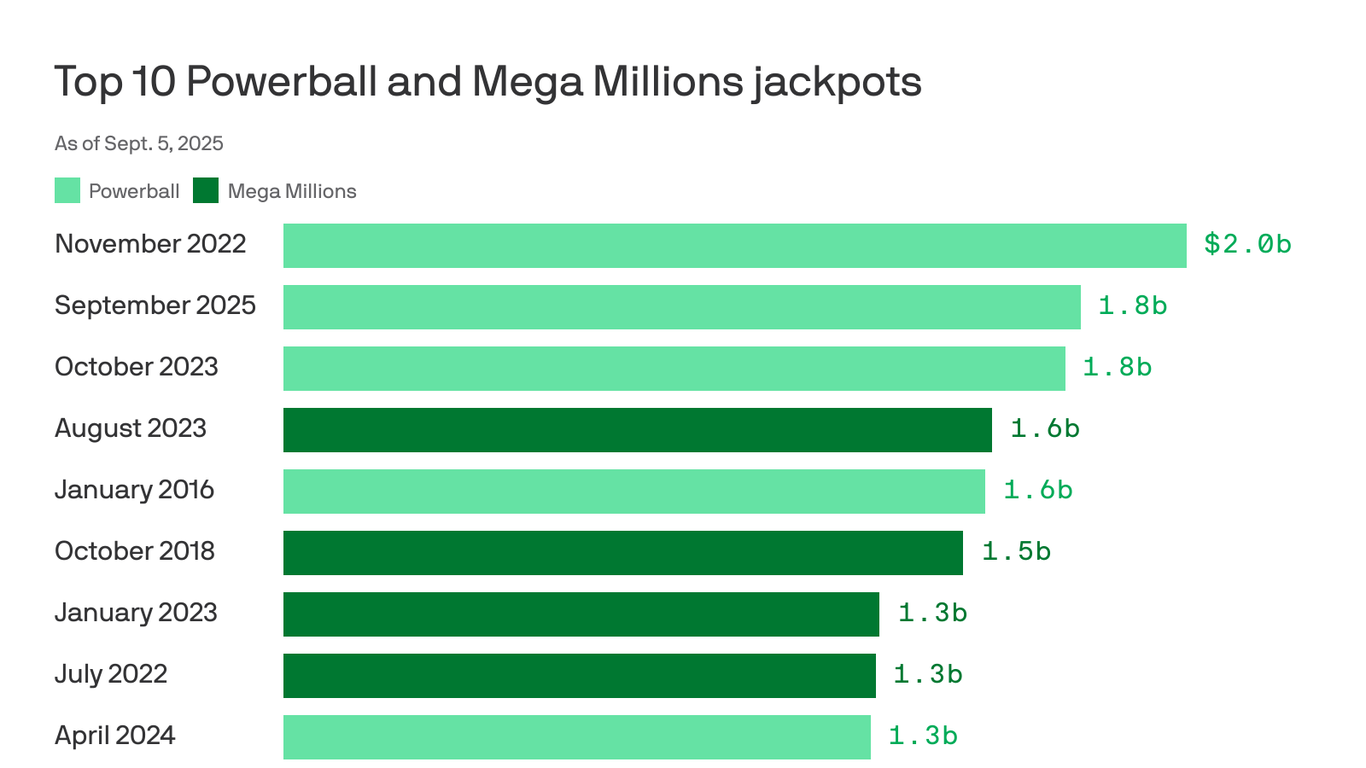
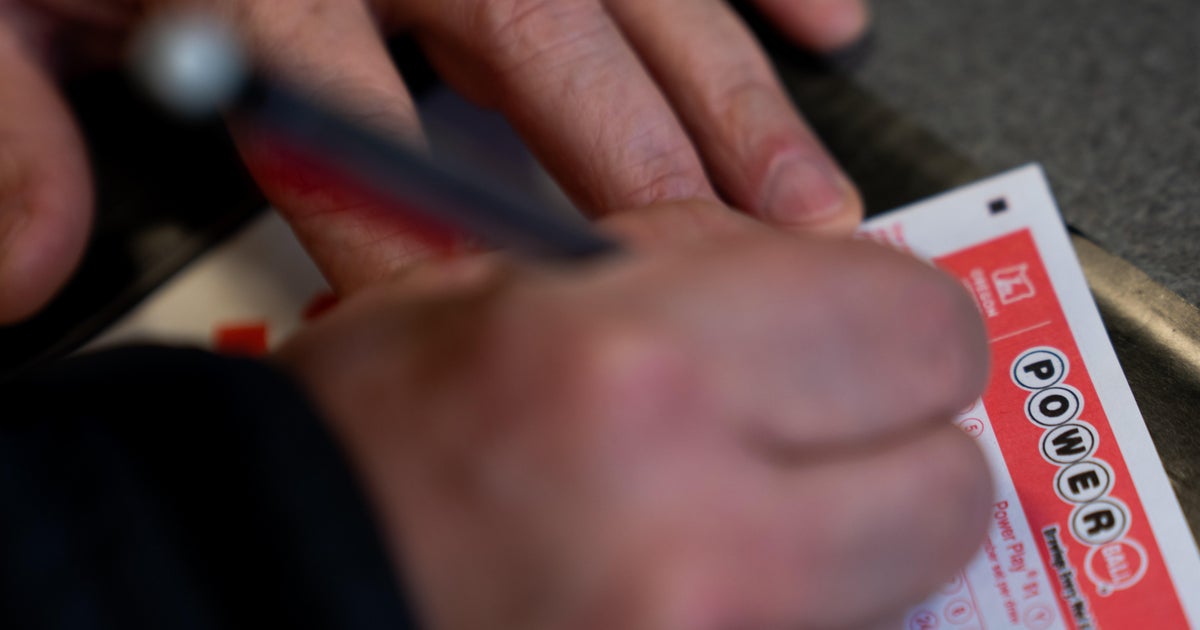
A single Powerball ticket sold at a Murphy USA gas station in Cabot, Arkansas, matched all six numbers on Christmas Eve, securing a staggering $1.817 billion jackpot. This prize, the second-largest in U.S. lottery history and the biggest Powerball win of 2025, ended a three-month streak of 46 drawings without a top winner. The lucky numbers drawn were 04, 25, 31, 52, and 59, with Powerball 19.[1][2]
Details of the Monumental Win
Cabot, a community of about 27,000 residents just northeast of Little Rock, became the epicenter of lottery excitement. The jackpot swelled beyond expectations due to final ticket sales, offering a lump-sum cash option of $834.9 million before taxes or annuity payments over 30 years. This marks the second time Arkansas has produced a Powerball jackpot winner, following a 2010 victory. Powerball Chair Matt Strawn hailed it as a life-changing prize supporting public programs nationwide.[1][5][6]
What Comes Next for the Winner
The anonymous winner cannot claim the prize until at least Monday, as holiday closures delay claims processing. With tickets costing just $2 across 45 states, this impulsive holiday purchase transformed one life forever, outpacing recent mega-jackpots like September's $1.787 billion split in Missouri and Texas.[1][7]
About the Organizations Mentioned
Murphy USA
**Murphy USA Inc. (NYSE: MUSA)** is a leading U.S. retailer of motor fuel and convenience merchandise, operating over 1,700 stores primarily in the Southeast, Southwest, and Midwest under brands like Murphy USA, Murphy Express, and QuickChek.[1][3] Founded in 1996 as a Murphy Oil Corporation subsidiary, it launched its first retail gasoline outlet in a Sam's Club parking lot in Chattanooga, Tennessee, pioneering a high-traffic strategy near Walmart locations for quick customer acquisition.[3][4] This model emphasized low-cost, high-volume fuel sales alongside snacks and essentials in compact 500-1,000 sq. ft. stores.[4] In 2013, Murphy USA spun off from Murphy Oil (established in the early 1900s), becoming an independent public company headquartered in El Dorado, Arkansas. R. Andrew Clyde, formerly of Murphy Oil, served as inaugural President and CEO, enabling focused growth in retail fuel and convenience.[1][2][3] Key achievements include rapid expansion from 1,100 sites at spin-off to nearly 1,700 by 2023, bolstered by strategic acquisitions: 2016 purchase of Cedric Ellis Inc.'s assets for geographic gains, and 2021's $645 million QuickChek deal, adding Northeast presence and robust foodservice in larger-format stores.[1] By 2023, it celebrated its 10-year anniversary with $20.57 billion in revenue and $340 million returned to shareholders via dividends and buybacks.[1] Innovations like 2006's Murphy Express (over 100 larger stores by 2015 with expanded offerings like hot coffee and beer) enhanced its value-driven appeal.[4] Today, with 17,200 employees and leadership under CEO R. Andrew Clyde, Murphy USA thrives in the competitive fuel retail sector, supported by seven distribution terminals and ethanol facilities.[1][3][4] Its Walmart-proximat
Powerball
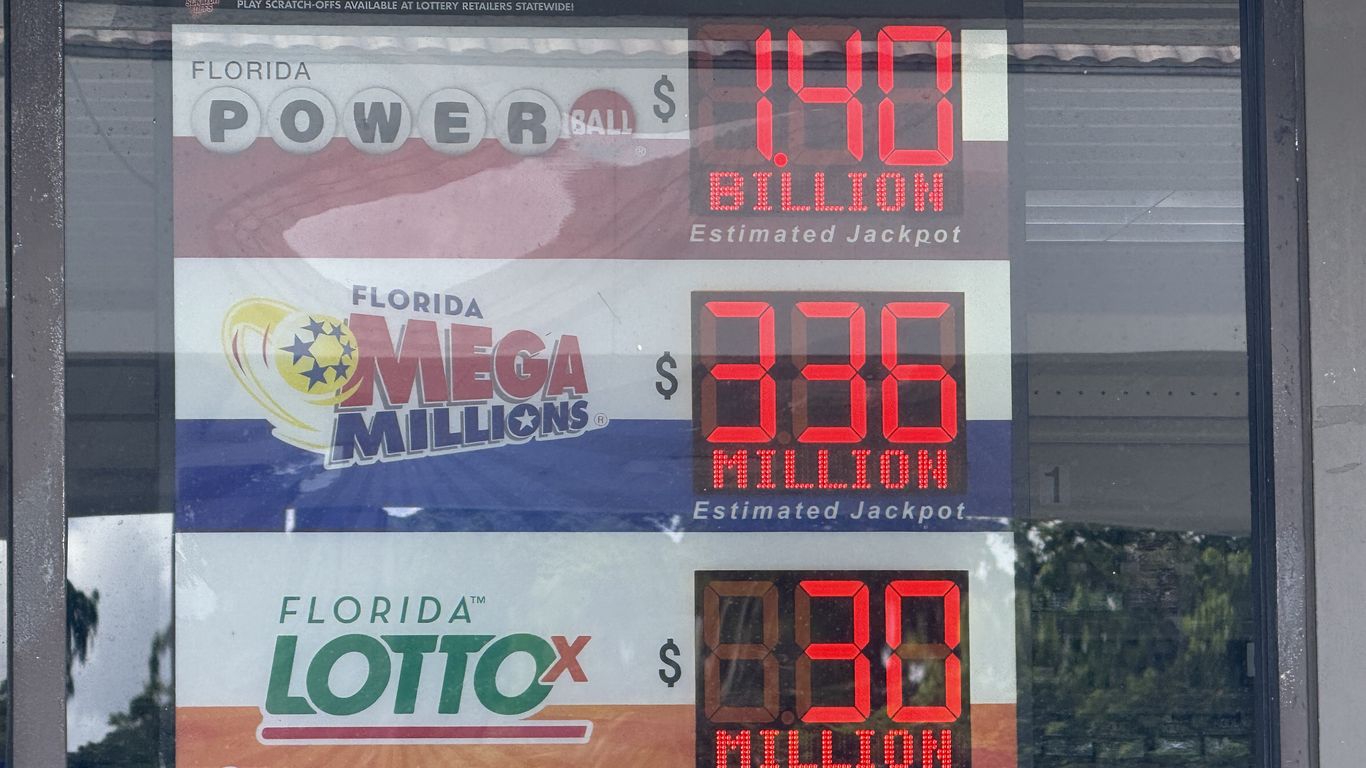
Powerball is a widely recognized American lottery game operated by the **Multi-State Lottery Association (MUSL)**, a non-profit government-benefit organization formed in December 1987 by seven U.S. lotteries to facilitate multi-jurisdictional lottery games[1]. Powerball itself was launched in April 1992, evolving from an earlier MUSL game called Lotto America. The game introduced a unique two-drum drawing system, an innovation suggested by Steve Caputo of the Oregon Lottery, which set it apart in the lottery market[1]. Powerball has become a flagship lottery game in the U.S., currently offered in 47 jurisdictions, including 44 states, the District of Columbia, Puerto Rico, and the U.S. Virgin Islands[3]. In 2009, MUSL reached an agreement with the Mega Millions consortium allowing cross-selling of tickets, effectively expanding Powerball’s and Mega Millions’ reach to 46 jurisdictions each by 2016[1]. This collaboration is notable for enhancing player access and increasing overall lottery sales. Since its inception, Powerball has generated approximately $55.8 billion in ticket sales, distributing about half of that revenue in prizes—$16.5 billion in jackpots and $11.8 billion in smaller prizes[3]. The game’s jackpots have reached record highs, including a $1.4 billion estimated jackpot drawing that captured national attention due to its staggering odds of roughly 1 in 292 million[3]. Ticket sales contribute significantly to state-funded programs and good causes, underpinning Powerball’s role as a major revenue source for public benefit. Powerball offers winners the option of a lump-sum payment or 30 annual installments, subject to federal and state taxes, with detailed prize claim procedures managed by MUSL and individual lotteries[4]. The organization also actively combats scams, emphasizing that lotteries do not contact winners by phone or email and never require fees t