Behind the Shocking Scenes of Monster: The Ed Gein Story on Netflix

Behind the Shocking Scenes of ‘Monster: The Ed Gein Story’
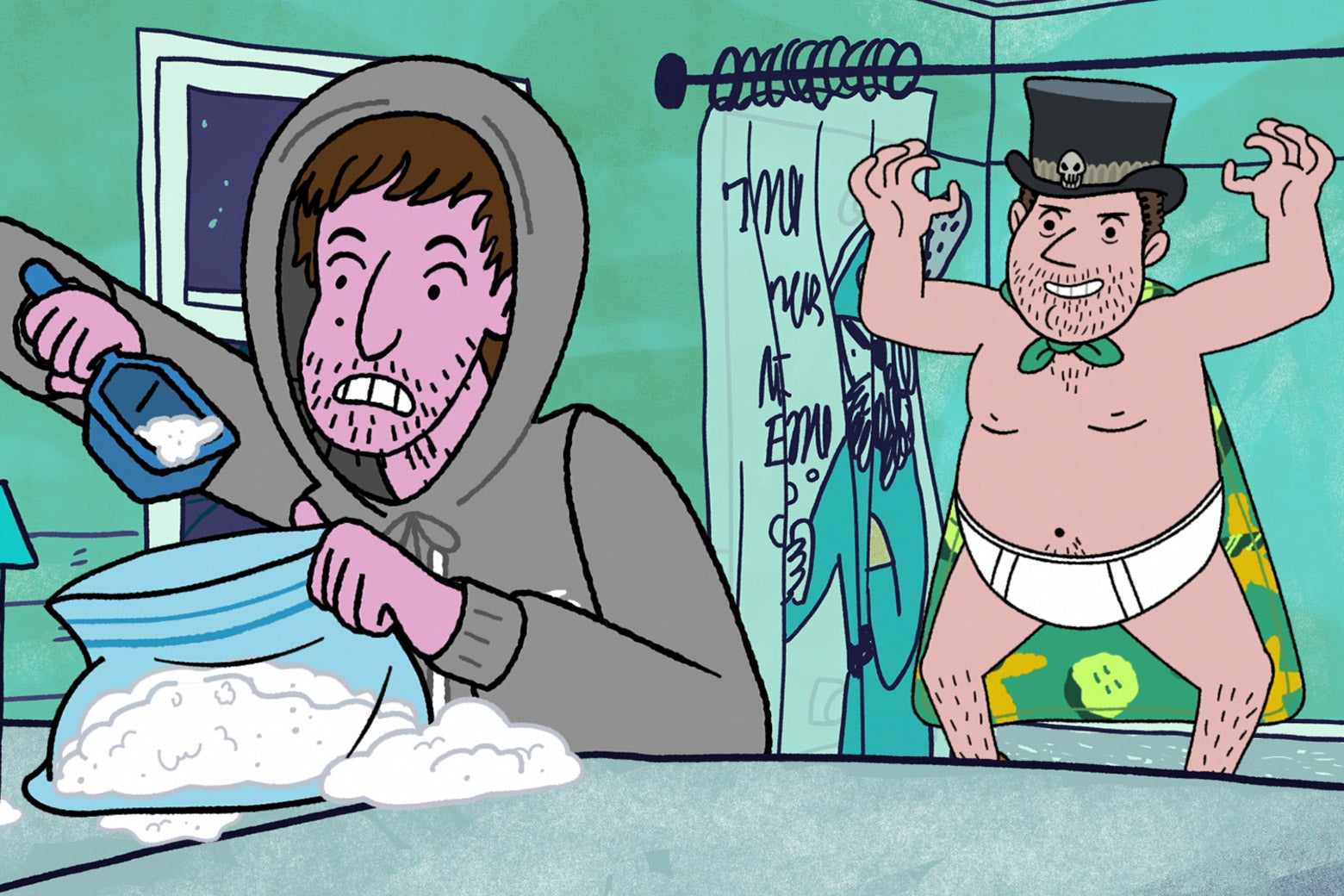
‘Monster: The Ed Gein Story,’ now streaming on Netflix, dives deep into the chilling life of the infamous serial killer who inspired iconic horror films like ‘Psycho’ and ‘The Texas Chain Saw Massacre.’ One of the most talked-about moments is the reimagined ‘psycho’ shower scene, where the filmmakers pushed boundaries by adding intense gore and nudity to heighten the horror and realism, creating a visceral experience for viewers.
Innovative Storytelling Through Music and Atmosphere
Beyond the gore, the film surprises audiences with a daring musical number that contrasts the dark narrative, offering a unique tone shift that adds depth to the storytelling. This unexpected element showcases the creative risks taken to keep the audience engaged while exploring the psyche of Ed Gein. The film’s atmosphere is meticulously crafted, balancing unsettling visuals with a haunting soundtrack to immerse viewers fully in the horror.
The Lasting Impact of a True Horror Legend
By blending true crime with bold cinematic techniques, ‘Monster: The Ed Gein Story’ redefines how biographical horror can be portrayed. Its unforgettable scenes and narrative innovation ensure it stands out in the crowded genre of serial killer films, making it a must-watch for horror aficionados and casual viewers alike.
About the People Mentioned
Ed Gein
Edward Theodore “Ed” Gein (August 27, 1906 – July 26, 1984) was an American criminal whose grave-robbing and murders in rural Plainfield, Wisconsin, gained worldwide notoriety and influenced modern horror fiction. He was raised on a remote family farm by a domineering, religious mother and an abusive, alcoholic father; after his parents’ deaths Gein lived largely in isolation and displayed increasingly eccentric behavior[1]. Gein was arrested on November 16, 1957, after the disappearance of local hardware store owner Bernice Worden; investigators found Worden’s body on his property along with numerous exhumed corpses, skulls, and items made from human skin and bone[1][3]. During interrogation Gein admitted to killing Worden and to the earlier killing of tavern owner Mary Hogan, and he confessed to exhuming multiple bodies from local cemeteries[1][2]. Legally, Gein was initially found unfit to stand trial and was confined to psychiatric hospitals; in 1968 he was judged competent and was tried, convicted of the murder of Bernice Worden, but found not guilty by reason of insanity and returned to mental institutions for the remainder of his life[2][4]. He died in 1984 of respiratory failure while confined at the Mendota Mental Health Institute in Madison, Wisconsin[2]. Gein’s crimes had no recognized “notable roles” or achievements in the usual sense; their significance lies in their cultural and criminological impact. The macabre details of his case inspired characters and themes in influential works of fiction and film—most notably Psycho, The Texas Chain Saw Massacre, and The Silence of the Lambs—and have been discussed in documentaries and books exploring criminal pathology and media portrayals of violence[4][6]. He remains a subject of public and scholarly interest for studies of criminal insanity, the history of American serial killers, and the interplay between real crimes and popular culture[3][4]. Recent media attention includes periodic documentaries and dramatizations revisiting the case and its influence on horror, but there are no ongoing legal or personal developments since his death[4].
About the Organizations Mentioned
Netflix
Netflix, Inc., founded in 1997 by Reed Hastings and Marc Randolph in Los Gatos, California, is a global media and entertainment company primarily known for its streaming service that offers movies, TV series, and games to over 300 million paid subscribers across more than 190 countries[1][2]. Initially disrupting the traditional video rental market dominated by Blockbuster, Netflix evolved from DVD rentals to pioneering the streaming model in 2007, fundamentally changing how audiences consume entertainment[1]. Netflix’s transition into original content production beginning in 2013 marked a significant milestone, with acclaimed series and films that garnered numerous awards, establishing it not only as a distributor but also a creator of high-quality content[1]. This strategic pivot helped Netflix compete against traditional broadcasters and emerging streaming platforms. By 2023, Netflix expanded into live programming, further broadening its content offerings and competitive scope[1]. Financially, Netflix is a powerhouse with a market capitalization of approximately $464 billion as of late 2025, annual revenues exceeding $43 billion, and a strong earnings per share figure of $23.97 from the previous year, showcasing robust profitability and investor confidence[1]. Under the leadership of CEO Theodore A. Sarandos, Netflix continues to innovate in entertainment technology, providing flexible viewing experiences where users can play, pause, and resume content anytime, anywhere[1][2]. Notable aspects of Netflix include its disruption of traditional media, its investment in diverse global content, and its adaptation to technological shifts in media consumption. Its impact extends beyond entertainment to influence digital distribution, consumer behavior, and the economics of content creation and delivery in the 21st century[1][2]. Netflix remains a benchmark in streaming services and a key player in the evolving landscape of global entertainment.