Biological Time Capsules: New Sources of Ancient DNA
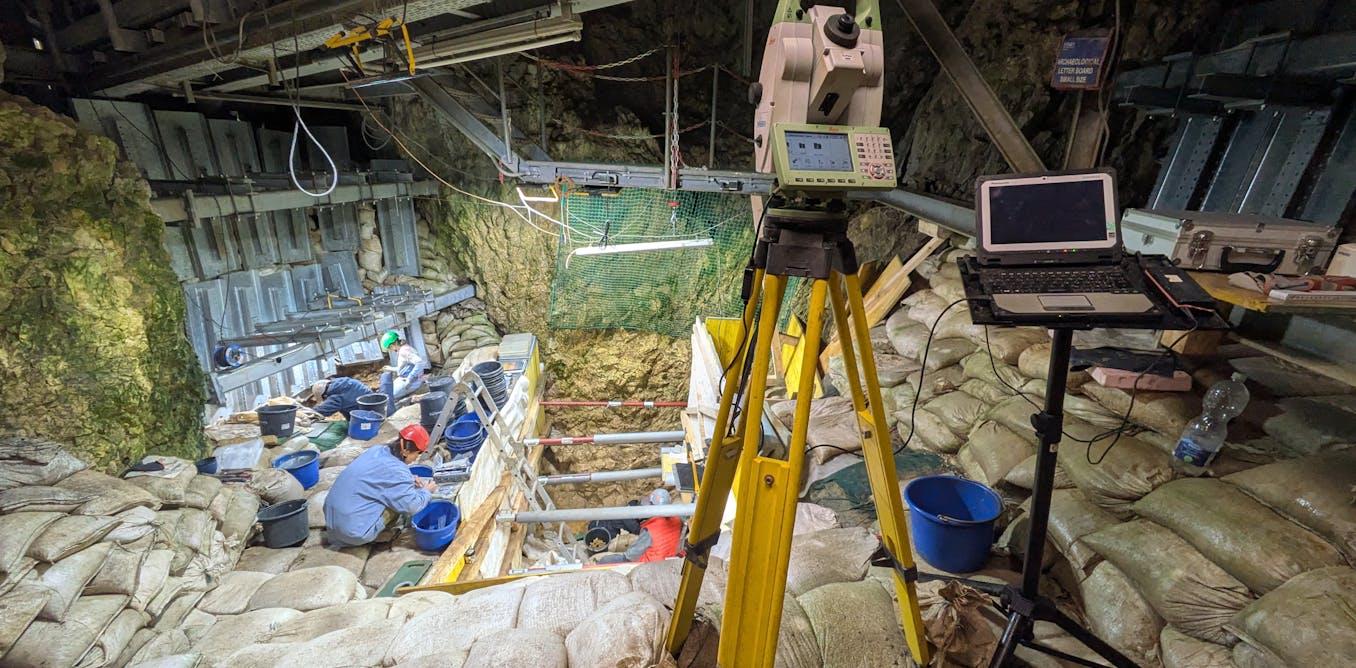
Biological time capsules: new sources of ancient DNA
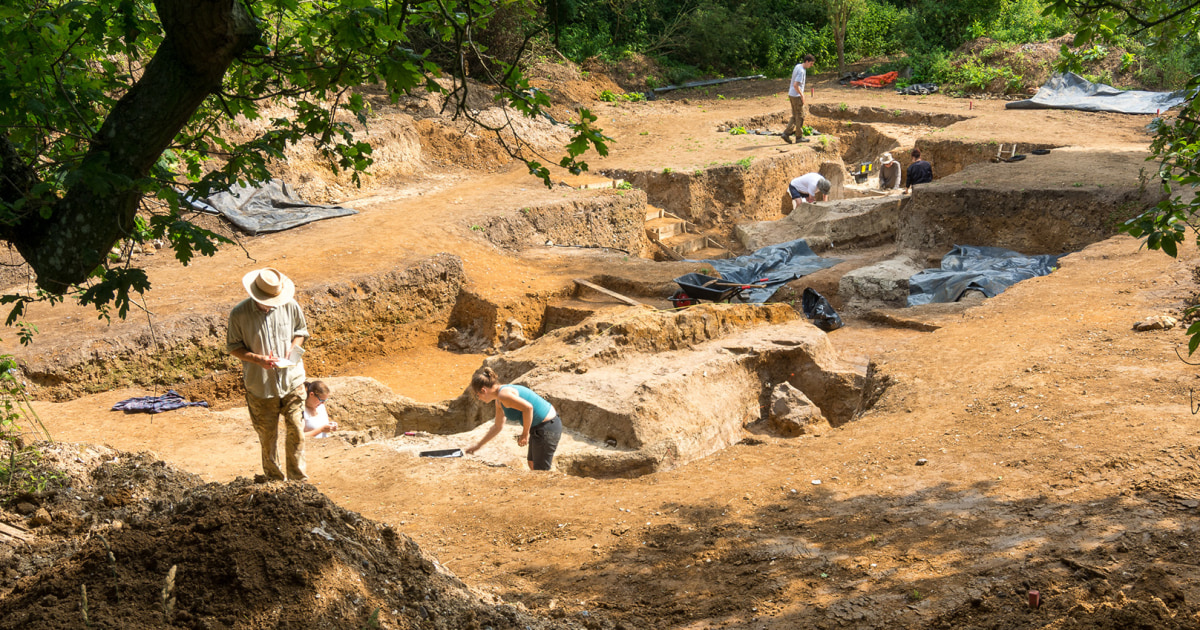
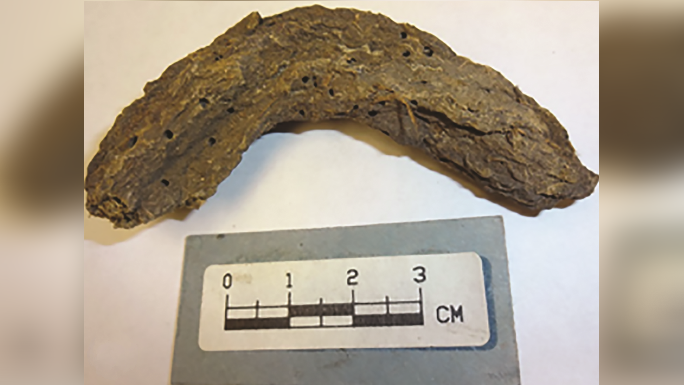
Researchers now recover ancient human and Neanderthal DNA directly from cave sediment, turning layers of dirt into biological time capsules that preserve fragments of shed cells, hair, feces and urine bound to minerals in the soil according to recent studies and reviews of the technique.
Methods and discoveries reshaping paleogenetics
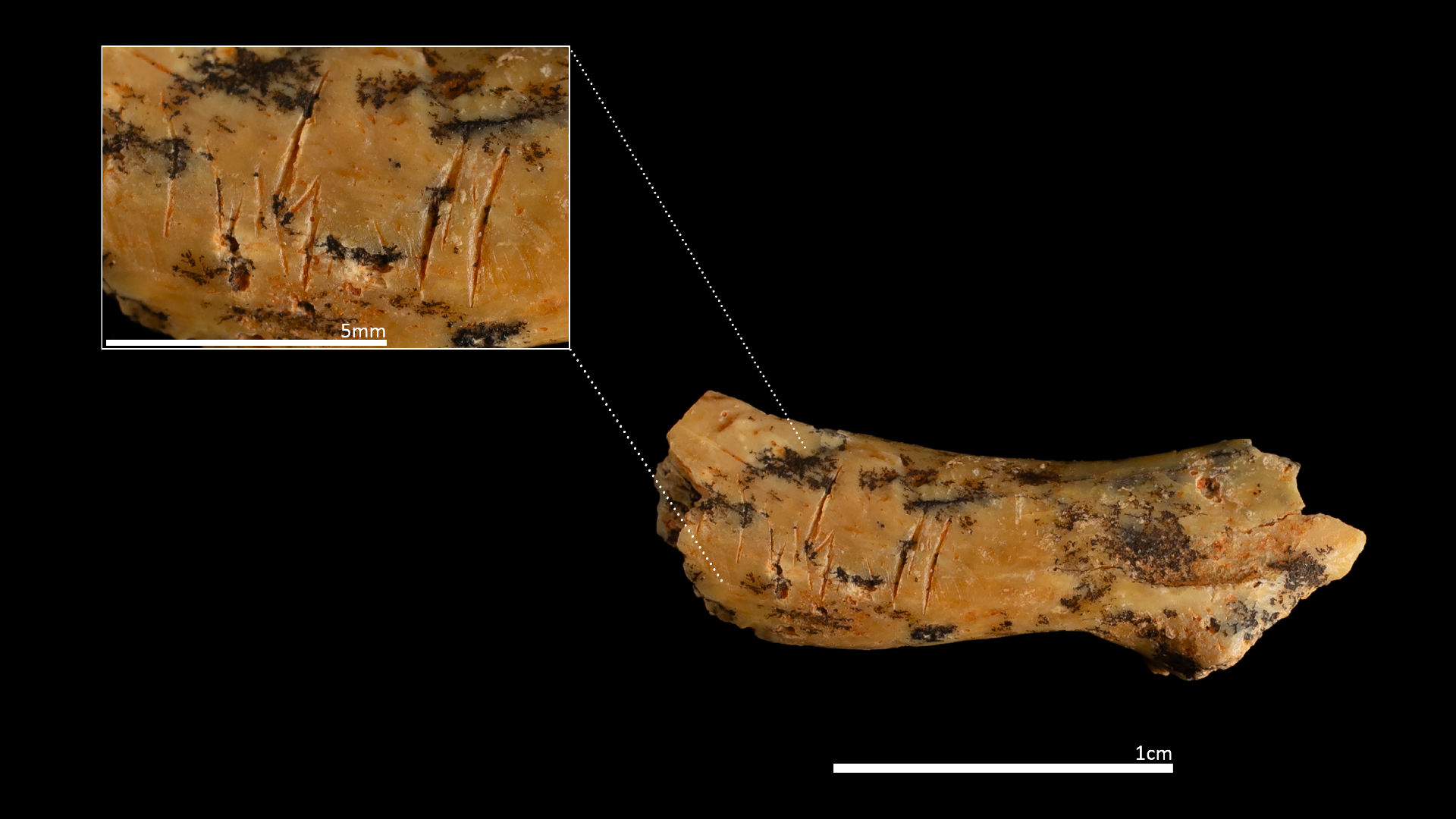
Innovations such as molecular “hooks,” resin-embedded micromorphology and ultra-clean sequencing let scientists fish out scarce, damaged mitochondrial and nuclear fragments from sediments, revealing hominin presence where bones are absent and extending occupation timelines in caves like Denisova and European sites.
Implications for archaeology and ecology
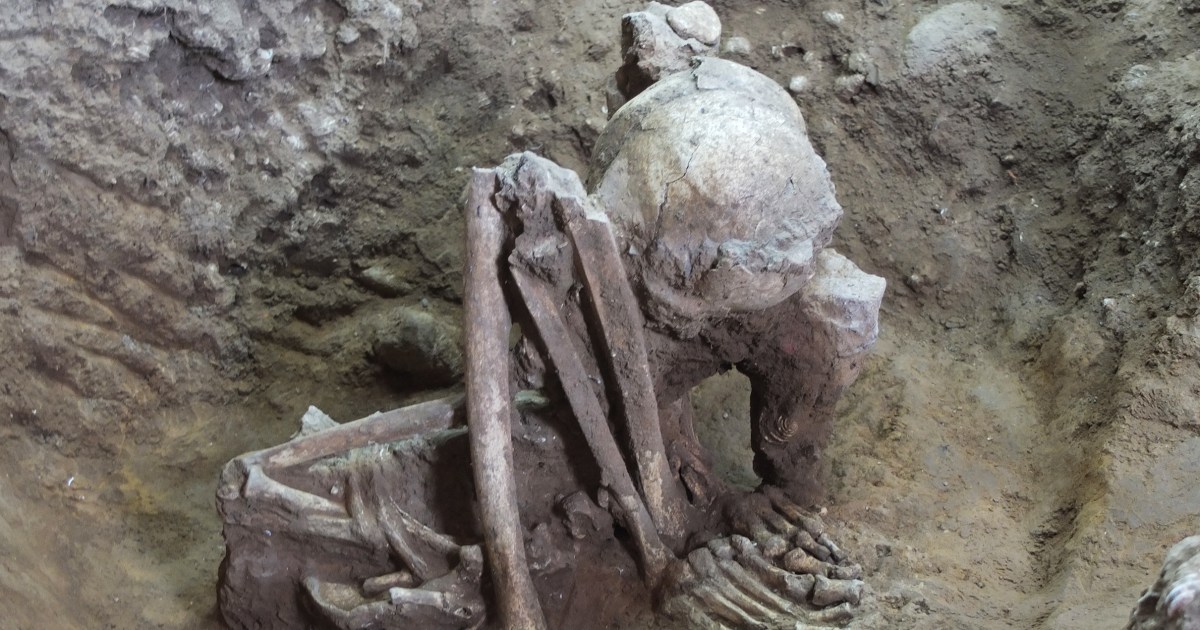
Soil-derived DNA enables reconstruction of who lived in caves, local ecosystems and interactions between modern humans, Neanderthals and other fauna, offering a non-destructive complement to traditional digs and promising richer, more continuous paleogenomic records for future research.