Catch 2026's Sky Spectacles: Eclipses, Meteor Showers & More

Want to See an Eclipse Next Year? Here’s Where to Go
Mark your calendars for 2026, a stellar year packed with breathtaking astronomical spectacles that will captivate skywatchers worldwide. If you're chasing eclipses, the total solar eclipse on August 12 sweeps across parts of Europe and the Arctic, turning daytime skies into twilight—prime viewing spots include Greenland and northern Spain for clear paths.[1][2] Follow it with the total lunar eclipse, or Blood Moon, on August 28, visible from much of the Americas as the moon glows crimson.[1][2]
Prime Locations and Viewing Tips
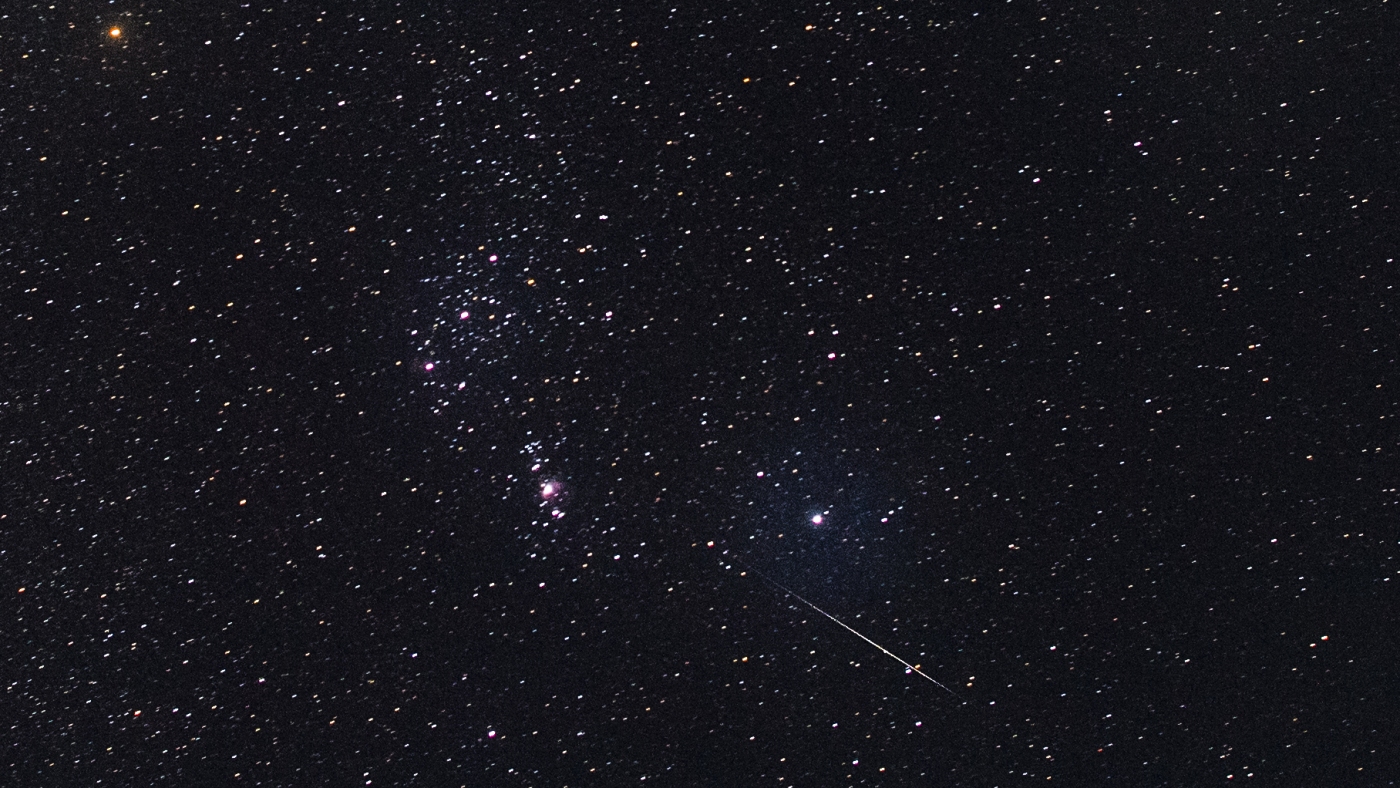
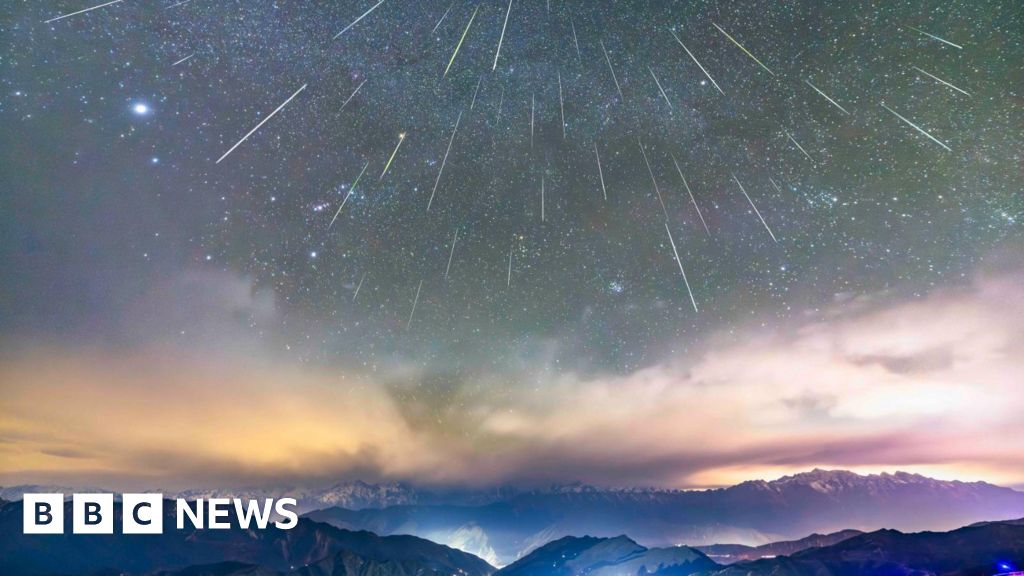
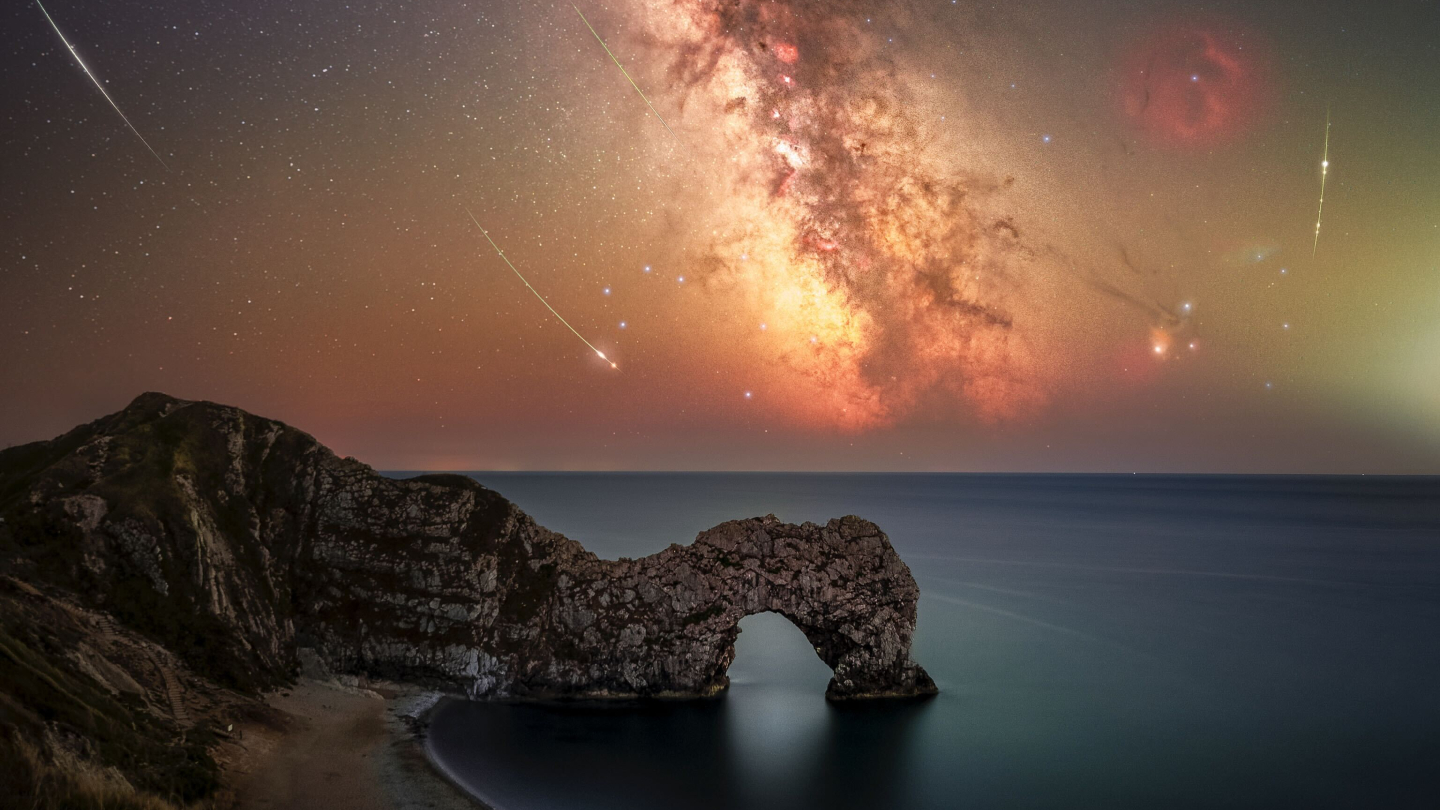
For the solar eclipse, head to Iceland or Svalbard in the Arctic for optimal totality; pack solar glasses and check weather forecasts. The lunar event shines globally, but darker rural sites enhance the red hues. Beyond eclipses, catch the Perseids meteor shower peaking August 12-13 with up to 100 shooting stars hourly—dark skies in the northern hemisphere are ideal.[1][4] A Christmas Eve supermoon on December 24 adds magic, appearing larger near the horizon.[1][2]
Other Cosmic Highlights
Don't miss planetary wonders: Jupiter and Uranus conjoin in October for a rare duo visible pre-dawn, best with binoculars from low-light pollution areas.[1][3] Comets like 24P/Schaumasse in January offer binocular spectacles. Whether in Europe for eclipses or your backyard for showers, 2026 promises unforgettable nights under the stars.