Former French President Sarkozy Sentenced to Five Years: A Landmark Case for Accountability
Introduction
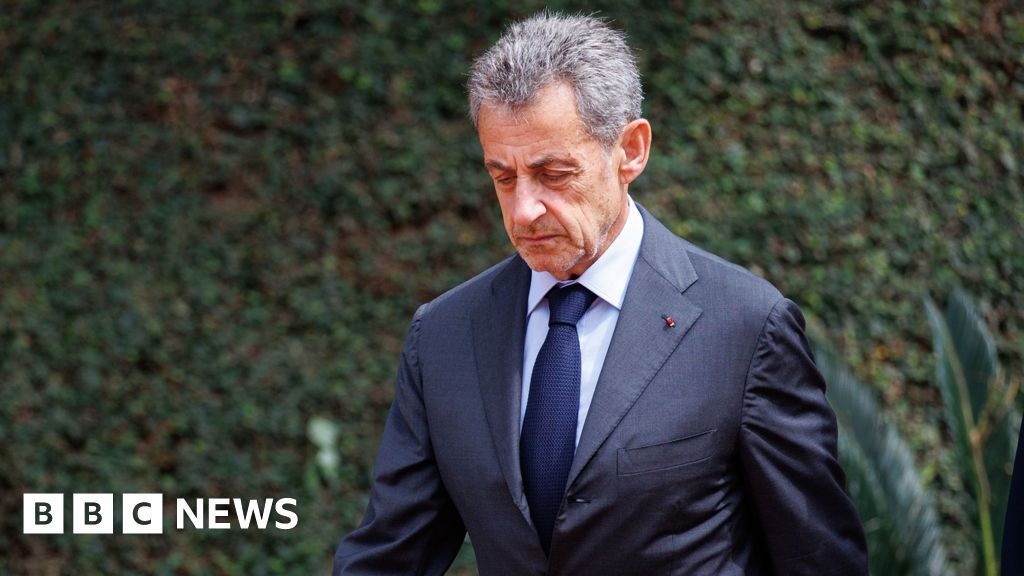
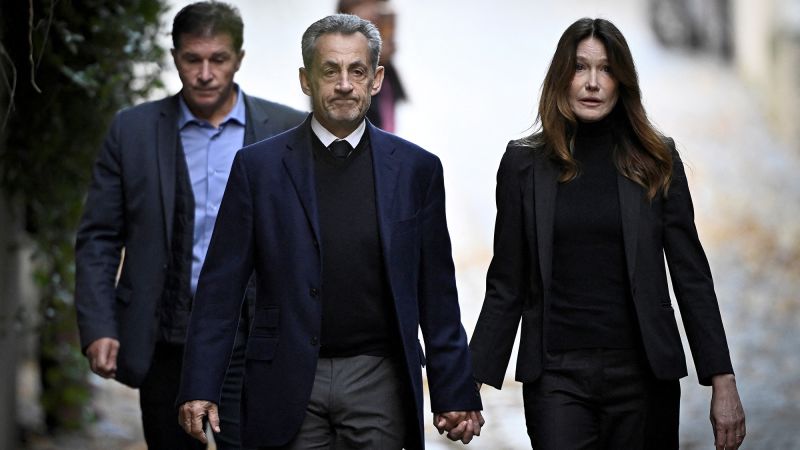
Nicolas Sarkozy, the former President of France, marked a significant moment in French history by beginning a five-year prison sentence. This event is unprecedented in modern France, as Sarkozy is the first former leader to be incarcerated since Philippe Pétain after World War II.
Key Details
Sarkozy's imprisonment stems from a conviction for criminal conspiracy related to obtaining Libyan funding for his 2007 presidential campaign. He entered La Santé prison in Paris, proclaiming his innocence and expressing confidence that the truth would eventually prevail. Despite his appeal, Sarkozy has shown resolve, stating he would serve his sentence with dignity if necessary.
Impact
The incarceration of a former French president highlights the robustness of France's legal system. It underscores the principle of equality under the law, even for high-profile figures. This event is likely to resonate deeply within French politics and society, sparking discussions about accountability and justice.
About the People Mentioned
Nicolas Sarkozy
Nicolas Sarkozy, born in Paris in 1955 to a Hungarian immigrant father and a French mother of Greek Jewish heritage, is a French politician and lawyer who served as President of France from 2007 to 2012.[1][2][3] He qualified as a lawyer in 1981 after studying political science at the Institut d'Études Politiques in Paris and began his career as a councilor in Neuilly-sur-Seine in 1977, becoming mayor there from 1983 to 2002.[1][3][4] Sarkozy held key government roles under conservative administrations, including Budget Minister and spokesperson (1993–1995), Interior Minister (2002–2004 and 2005–2007), and Finance Minister (2004–2005).[1][3][4] He led the Union for a Popular Movement (UMP) party from 2004 to 2007 and rebranded it as Les Républicains in 2015.[1][3] In 2007, he won the presidential election, defeating Socialist Ségolène Royal with 53% of the vote in the runoff, promising economic reforms like tax cuts, labor market liberalization, and closer U.S. ties.[1][3][4] Early achievements included tax relief on overtime, restrictions on strikes, and a constitutional limit to two presidential terms.[1] As president and ex officio Co-Prince of Andorra, Sarkozy advanced conservative policies on immigration and security, including a burqa ban.[6] He married singer Carla Bruni in 2008.[4] Post-presidency, he ran unsuccessfully in the 2016 Republican primary.[1] In recent years, Sarkozy faced legal challenges, becoming modern France's first former leader incarcerated following a 2025 conviction, marking a stark decline for the once-energetic figure nicknamed "President Bling-Bling."[6] He remains a polarizing conservative voice.[1][6]
Philippe Pétain
Philippe Pétain (1856–1951) was a French military officer and statesman renowned as the "Hero of Verdun" for his World War I leadership but later infamous as head of the collaborationist Vichy regime during World War II.[1][3][5] Born on April 24, 1856, in Cauchy-à-la-Tour, Pas-de-Calais, to a farming family, Pétain rose through the ranks during World War I. He commanded the Second Army at the Battle of Verdun in 1916, organizing a rotational troop system via the "Voie Sacrée" supply route and stabilizing defenses against German assaults, which earned him national acclaim.[1][2][3][4] Promoted to commander-in-chief in 1917 after mutinies, he restored troop morale through improved conditions, limited offensives, and discipline, minimizing executions while awaiting U.S. and tank support, contributing to Allied victory.[2][3][4] Postwar, Pétain became Marshal of France, led the Conseil Supérieur de la Guerre advocating defensive strategies like the Maginot Line, commanded in the 1925 Rif War, served as War Minister (1934–1940), and was ambassador to Spain in 1939.[1][4][5] In 1940, at age 84, after France's defeat, Pétain became vice-premier then head of state, signing an armistice with Nazi Germany on June 22 and establishing Vichy France with near-absolute powers. His regime collaborated with Germany, including anti-Jewish laws and meetings like Montoire with Hitler in 1940, though he resisted some German demands.[1][3][5][6] After Allied landings in North Africa, his ambiguous orders highlighted internal conflicts.[1] Liberated Paris in 1944 led to his transfer to Germany by the Nazis. Tried for treason in 1945, he received a death sentence commuted to life imprisonment on Île d’Yeu, where he died on July 23, 1951.[1][3] Pétain's legacy divides French history: celebrated for WWI valor, condemned for WWII collaboration, symbolizing duty's complexities.[3][5][8]
About the Organizations Mentioned
La Santé prison
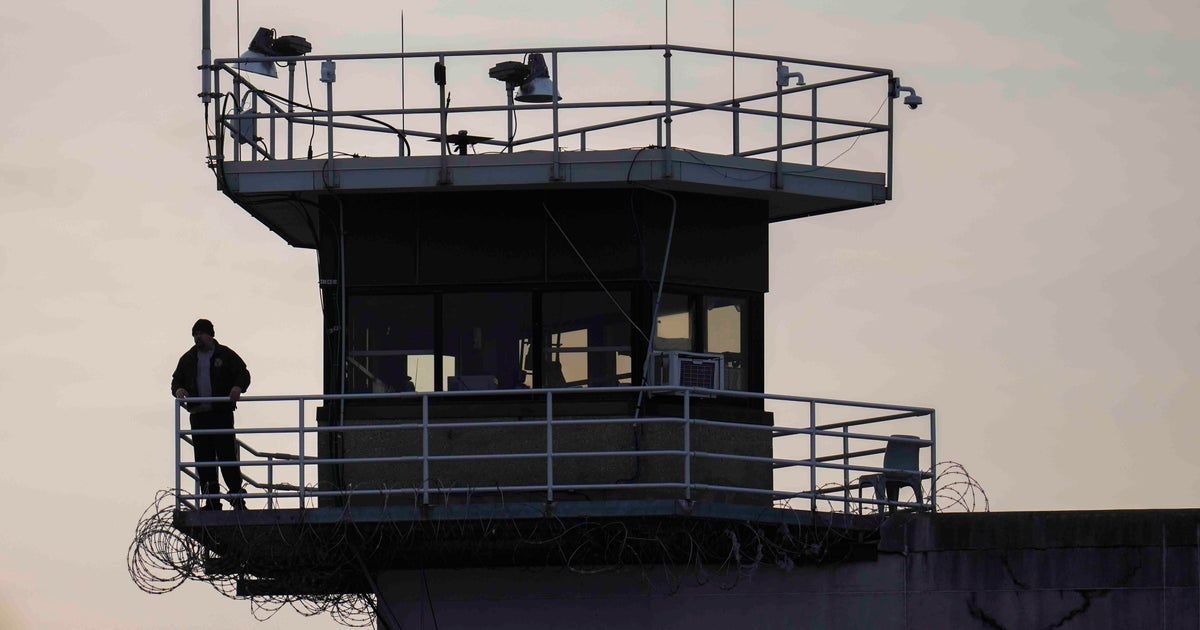
La Santé Prison, inaugurated in 1867 in Paris, is one of France’s most renowned penitentiaries, known for housing both maximum-security inmates and high-profile prisoners in its "VIP" section[1][5]. Architect Joseph Auguste Émile Vaudremer designed the prison, which replaced the former Madelonnettes Convent in the 3rd Arrondissement. Originally built with 500 cells, it expanded to 1,000 cells by 1900, with a total capacity for about 2,000 inmates divided into 14 divisions[1][3]. Historically, La Santé played a central role in French penal history, notably as a site for public executions by guillotine until 1939, after which executions were carried out inside the prison courtyard. The last death sentence in France was executed here in 1972[2][3]. During World War II, the German occupation authorities took control of the prison, using it as a detention facility while retaining many French staff[2][3]. Today, La Santé is infamous for chronic overcrowding, functioning far beyond its original capacity, with reports of nearly 190% occupancy leading to harsh living conditions for inmates[5][6]. Despite this, the prison maintains a specialized "VIP wing" with 19 identical cells and private exercise yards designed for notable prisoners, including former French president Nicolas Sarkozy, who began serving a sentence there in 2025[5]. La Santé’s significance also extends culturally, inspiring films like *Quartier V.I.P.* and symbolizing the tension between justice, incarceration, and society’s elite[1]. Its location in central Paris and its long history make it a focal point for discussions on prison reform, penal policy, and human rights within the French justice system[4]. While La Santé remains operational under the French Ministry of Justice, ongoing challenges include overcrowding, aging infrastructure, and balancing security with prisoner reintegration goal