Greg Biffle Dies at 55 in Plane Crash: NASCAR Legend Remembered
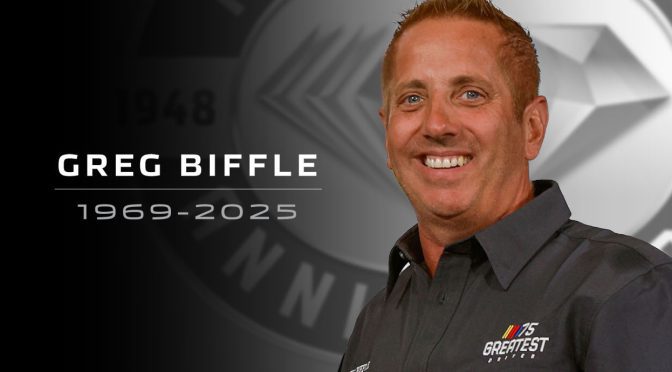
Greg Biffle, family die in plane crash; he was 55
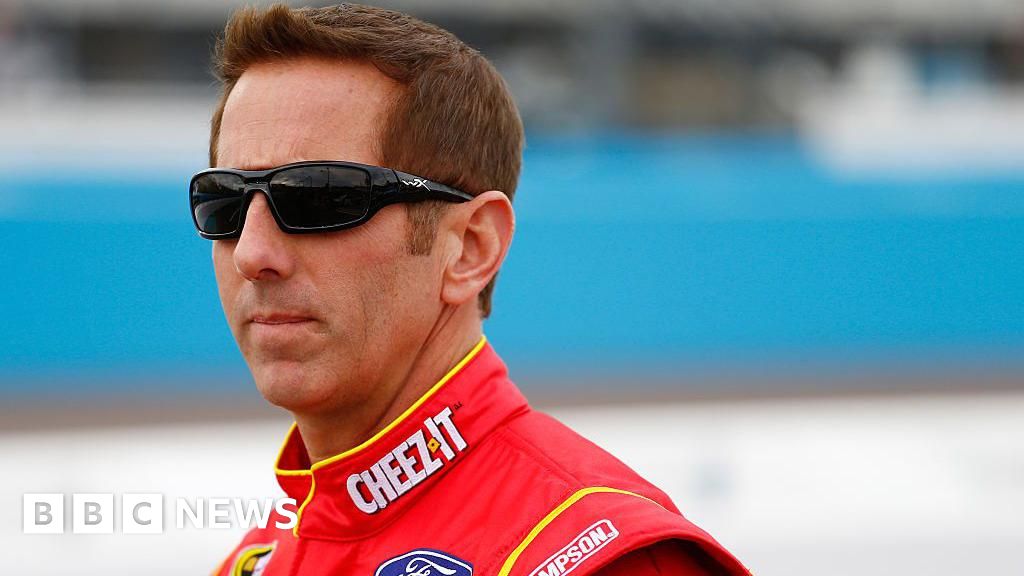
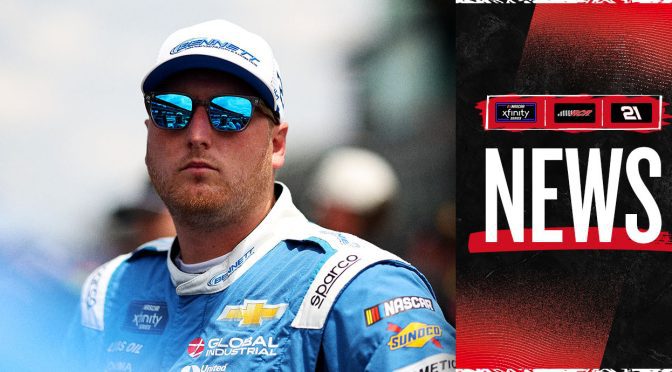
Greg Biffle, celebrated among NASCAR’s elite, died at 55 in a tragic plane crash that also claimed three family members, shocking the racing community and fans worldwide. Biffle’s career included championships in lower series and 19 Cup wins, earning him recognition as one of NASCAR’s 75 Greatest Drivers and a reputation for consistency and grit on track.
Career highlights and legacy
Biffle rose through Truck and Xfinity ranks, capturing titles and Rookie of the Year honors before becoming a perennial Cup contender known for fierce short-track racing and clutch performances in playoffs; teammates, rivals, and young drivers often cite his work ethic and mentorship as part of his enduring impact.
Impact and remembrance
The loss reverberates across motorsport: tributes, memories of garage-day camaraderie, and plans for memorials will follow as the community honors his competitive spirit, family, and lasting influence on the sport.
About the People Mentioned
Greg Biffle
Greg Biffle was an American NASCAR driver born in Vancouver, Washington, and raised in Camas, reaching age 55 by 2024.[3][2] Discovered nationally in the 1995 NASCAR Winter Heat Series, he gained attention racing on ESPN's Thursday Night Thunder, leading champion Benny Parsons to recommend him to team owner Jack Roush.[1][2] Biffle achieved immediate success with Roush, earning Rookie of the Year in the NASCAR Craftsman Truck Series in 1998 and its championship in 2000.[1][2] He repeated the feat in the NASCAR Xfinity Series with Rookie of the Year in 2001 and the 2002 title, becoming the first driver to win championships in both series.[1][2] In the Cup Series, over 14 full-time seasons and 515 starts through 2016, he secured 19 wins, six top-10 points finishes—including second place in 2005—and was a consistent Playoff contender.[1] Overall, he amassed 56 NASCAR national series victories: 19 Cup, 20 Xfinity, and 17 Truck.[2] He returned briefly in 2022 for five Cup races, including the Daytona 500.[2] Named one of NASCAR’s 75 Greatest Drivers, Biffle was nominated for the NASCAR Hall of Fame in 2024.[1][2] Post-racing, Biffle remained active in aviation and hot rods while showcasing humanitarian efforts. In September 2024, he piloted his helicopter into hazardous areas devastated by Hurricane Helene in western North Carolina, delivering critical aid to isolated communities and earning praise as a "humble humanitarian."[2] Biffle’s career exemplified tenacity during NASCAR's competitive peak, though he never captured a Cup championship.[1][4] Tragically, in late 2024 or early 2025, he perished in a plane crash alongside family members and others, deeply affecting the NASCAR community.[2]
About the Organizations Mentioned
NASCAR
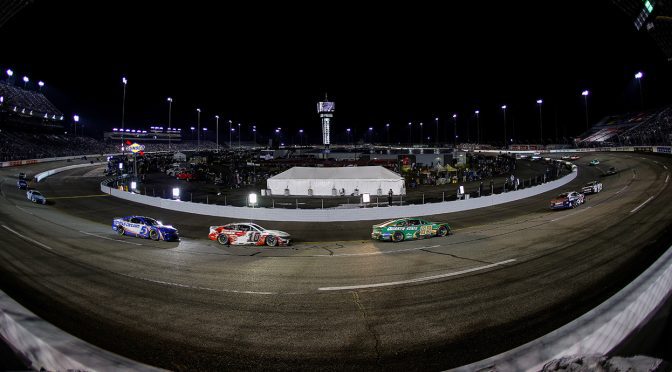
NASCAR (National Association for Stock Car Auto Racing, LLC) is a premier American auto racing sanctioning and operating company, best known for stock car racing and recognized as one of the world’s top motorsports organizations and largest spectator sports leagues in the U.S.[1] Founded in 1948 by Bill France Sr., NASCAR evolved from informal races among Prohibition-era moonshine runners in the southeastern U.S., especially North Carolina, who competed for pride and speed[1][2][3]. The organization formalized racing rules and schedules, addressing past issues with unfair promoters and chaotic events, establishing a stable, regulated sport[3][6]. Headquartered in Daytona Beach, Florida, NASCAR annually sanctions over 1,500 races across more than 100 tracks in 48 U.S. states and internationally in Canada, Mexico, Brazil, and Europe[1]. Its racing hierarchy features the premier NASCAR Cup Series at the top, followed by the Xfinity and Truck Series, with Chevrolet, Ford, and Toyota as the main competing manufacturers[1][5]. NASCAR has historically been dominated by American manufacturers, though Toyota joined in 2007, and Dodge has come and gone[5]. Key milestones include hosting its first 500-mile race in 1950 and the inaugural Daytona 500 in 1959, which solidified its signature event’s prestige and national appeal[2][4]. The 1979 live flag-to-flag TV broadcast of the Daytona 500 dramatically boosted NASCAR’s visibility, coinciding with a major snowstorm that drove large audiences indoors[4]. The France family has maintained leadership since inception, with Jim France as CEO since 2018, continuing a private family ownership model that has fostered stability and growth[1][4][6]. NASCAR’s blend of technological innovation, competitive racing, and entertainment has expanded the sport from regional roots to a global enterprise. It combines tradition with modern business and technological advancements, appealing to motorsports enthusiasts and business