Ohio Coach Brian Smith Fired Over Affair with Student and Drinking
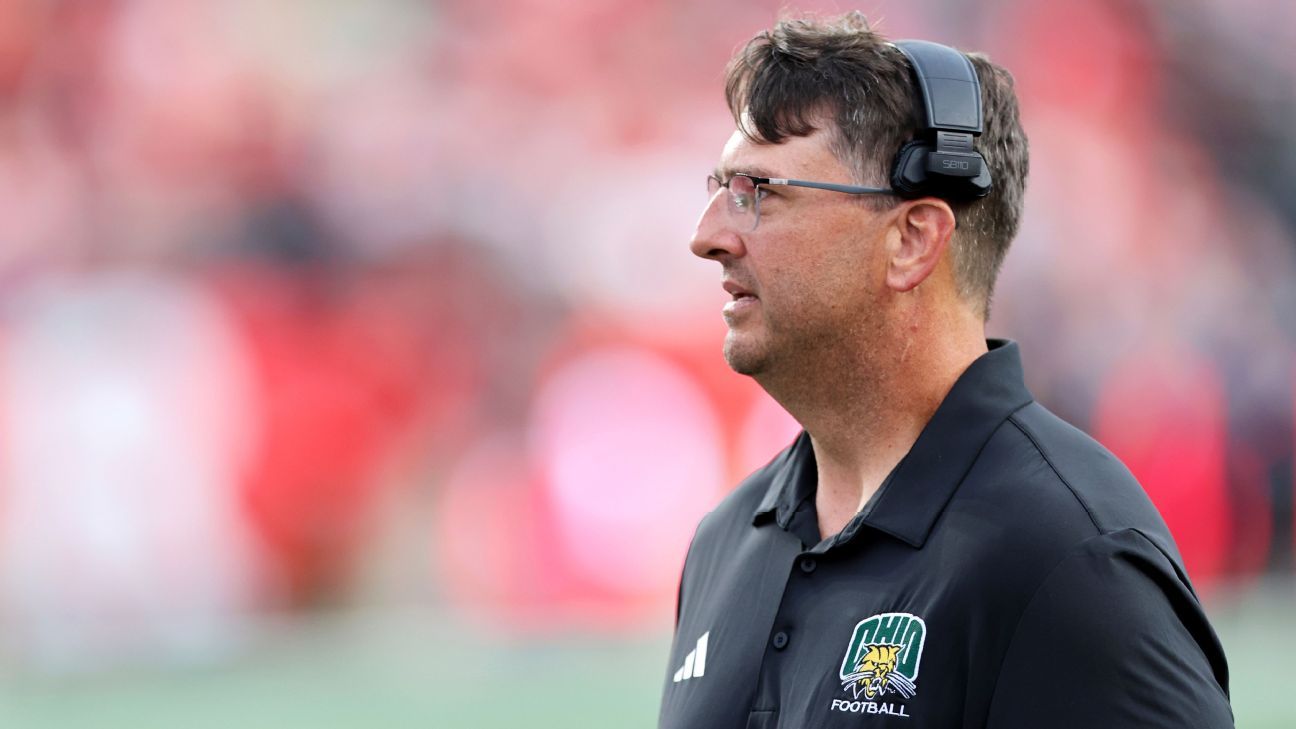
Ohio: Smith fired over affair with student, drinking - ESPN
Ohio University terminated head coach Brian Smith for cause after an internal review found conduct that the university says brought disrepute and violated his employment agreement, including allegations of extramarital affairs and drinking that involved a student and created serious reputational risk.
Context and implications
The move came days before a scheduled bowl game, leaving an interim coach to lead the team and prompting questions about transparency, contract buyouts and legal pushback from the coach's camp; universities often cite vague "serious professional misconduct" clauses when details remain private, which can trigger contested disputes over owed compensation and career fallout.
What to watch next
Expect statements from legal representatives, possible investigation updates, and scrutiny of athletic department policies as the program balances immediate competition needs with long-term reputation management and recruiting implications.
About the Organizations Mentioned
Ohio University
Ohio University is a public research university headquartered in Athens, Ohio, that educates undergraduates, graduate students, and professionals across a broad set of disciplines while advancing research, regional engagement, and innovation in business and technology sectors. Ohio University was chartered by the Ohio General Assembly in 1804 and opened to students in 1808, making it the oldest public institution in Ohio and the first university established in the Northwest Territory[6][4]. From a single building and three students, OU expanded through the 19th and 20th centuries into a large, multi-campus institution with regional campuses (e.g., Chillicothe, Southern) and dozens of degree programs, adding graduate and doctoral programs mid‑century and tripling undergraduate enrollment between 1955 and 1970[2][4]. The university’s history includes early milestones in access and diversity—graduating one of the nation’s earliest Black college graduates in 1828 and its first woman graduate in 1873[2][6]. Ohio University’s mission blends teaching, research, and public service: it houses colleges of Business, Engineering & Technology, Arts & Sciences, Health Sciences, and more, and it supports research that earned the university an R1 designation for “very high research activity” in recent years[4][3]. Key achievements include long-standing community outreach via extension programs, development of regional teaching centers in health professions, and construction of research and media facilities that support entrepreneurship and technology transfer[1][2]. Today OU is known for a strong residential campus culture, sizable research output, applied programs that feed regional economic development, and industry partnerships—particularly in engineering, environmental science, health care, and business innovation[4][8]. Notable aspects for business and technology audiences include its technology-transfer and incubator activities, regional workforce development through continuing education and engineering programs, and a history of adaptive growth
ESPN
ESPN, originally the Entertainment and Sports Programming Network, is a dominant American sports media corporation headquartered in Bristol, Connecticut. Founded in 1979 by Bill Rasmussen, Scott Rasmussen, and Ed Eagan, ESPN pioneered the concept of a 24-hour all-sports cable network, quickly establishing itself as the "Worldwide Leader in Sports." Today, ESPN is owned 80% by The Walt Disney Company and 20% by Hearst Communications, operating as ESPN Inc. The organization broadcasts from its main studios in Bristol, with additional offices and studios across the U.S., and reaches audiences globally through 64 linear networks and digital platforms in 141 countries. ESPN’s rise was fueled by securing broadcast rights to major professional and collegiate sports, making it a household name. At its peak in 2011, ESPN reached over 100 million U.S. pay TV households, though that number has since declined to about 70 million as viewership shifts toward digital platforms. ESPN’s portfolio now includes seven U.S. cable networks (ESPN, ESPN2, ESPNEWS, ESPNU, ESPN Deportes, SEC Network, ACC Network), ESPN on ABC, ESPN Radio, and a robust digital presence via ESPN.com, the ESPN App, and ESPN Fantasy Sports. A key achievement in recent years is the launch of ESPN+, its direct-to-consumer streaming service introduced in 2018, which has expanded to include thousands of live events and original programming. In August 2025, ESPN launched a new flagship direct-to-consumer product, offering two subscription tiers—ESPN Unlimited and ESPN Select—providing access to all ESPN networks and exclusive content. This move reflects ESPN’s strategic pivot to adapt to changing media consumption habits, including partnerships with entities like WWE for premium live events. Despite facing challenges such as rising broadcast costs and criticism over coverage biases, ESPN remains a major force in sports media,