Paddy Pimblett Reflects on Brutal Gaethje Defeat at UFC 324

Paddy Pimblett Reflects on Brutal Gaethje Defeat
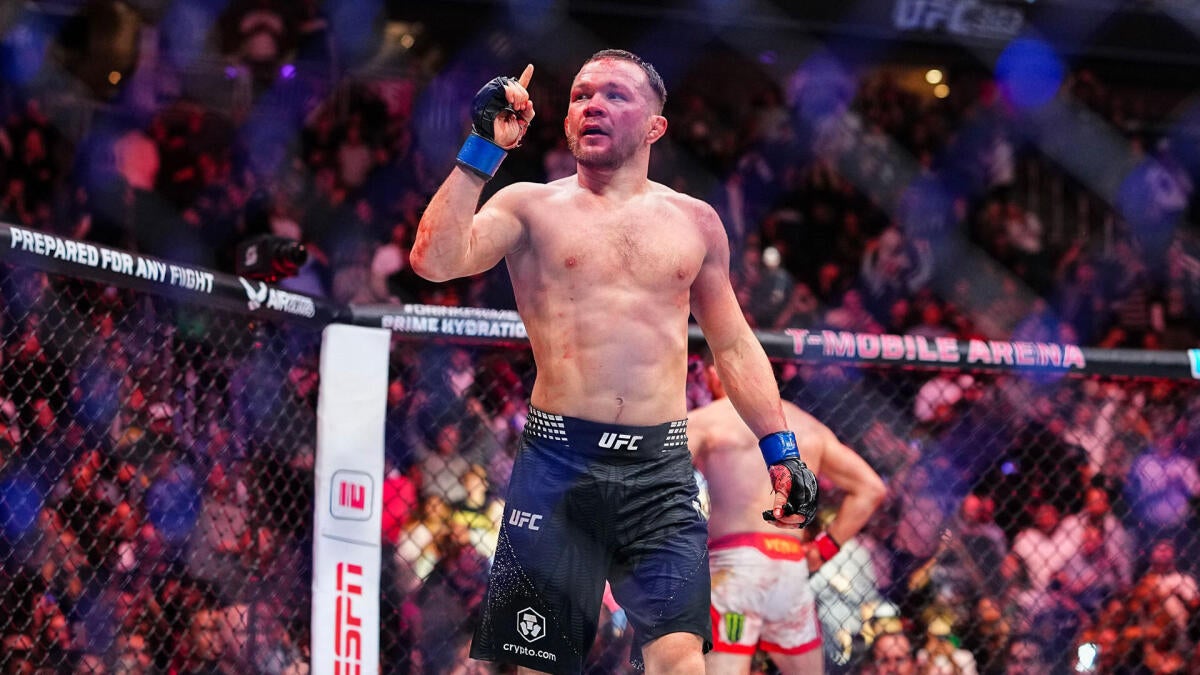
In a candid post-fight reflection, Paddy Pimblett opened up about his punishing loss to Justin Gaethje at UFC 324, admitting, "He made my face look different." The Scouser suffered his first UFC defeat via unanimous decision—49-46, 49-46, 48-47—ending his perfect 7-0 streak in the Octagon. Gaethje's relentless pressure, including multiple knockdowns and dominant cage work, overwhelmed Pimblett in the five-round interim lightweight title thriller.[1][2]
Key Moments from the Slugfest
The fight exploded from the bell, with Gaethje landing a devastating right uppercut in round one and another knockdown in round two, followed by ground strikes. Pimblett, bloodied over his right eye from an early body shot and eye poke, rallied with late flurries and takedown attempts but couldn't overcome Gaethje's 219-177 striking edge. Post-bell fist-bumps highlighted mutual respect amid the chaos.[1][2][8]
Recovery and Road Ahead
Updating fans on his recovery, Pimblett vowed a fierce comeback, praising Gaethje as a legend he idolized. "No other man I'd rather lose to," he said, emphasizing his toughness. Now eyeing redemption, the 31-year-old aims to rebuild while Gaethje prepares for his next defense.[1][2]
About the Organizations Mentioned
UFC
The Ultimate Fighting Championship (UFC) is the world's leading mixed martial arts (MMA) promotion company, founded in 1993 by Art Davie, Rorion Gracie, and Bob Meyrowitz. Initially conceived as an experimental event to determine the most effective martial art in real combat, the UFC has evolved into a global sports phenomenon. The first event, UFC 1, was held in Denver, Colorado, and featured a single-elimination tournament with minimal rules, won by Royce Gracie, a Brazilian jiu-jitsu practitioner[1][2][3]. ### History and Evolution In its early years, the UFC faced criticism for its brutality, leading to the introduction of stricter rules and safety measures. By the late 1990s, weight classes and prohibited techniques were implemented, and the Unified Rules of MMA were adopted around 2000, significantly enhancing the sport's legitimacy[2][4]. The UFC's financial struggles in the early 2000s were alleviated when the Fertitta brothers and Dana White purchased the company in 2001. Their leadership transformed the UFC into a mainstream success, notably through the reality TV show "The Ultimate Fighter," which aired in 2005[4]. ### Key Achievements and Current Status The UFC has made several strategic acquisitions, including Pride Fighting Championships in 2007 and Strikeforce in 2011, solidifying its position as the premier MMA promotion[1]. Today, the UFC operates across multiple continents, hosting events in various countries and featuring top fighters like Jon Jones and Georges St-Pierre. The organization has expanded to include 12 weight divisions for men and women, reflecting its growth and diversification[5]. ### Notable Aspects The UFC is recognized for its innovative approach to sports marketing and its ability to integrate technology into its events, enhancing fan engagement and broadcast quality. Its global reach and popularity have made it a significant player in the sports industry, attracting millions of fans