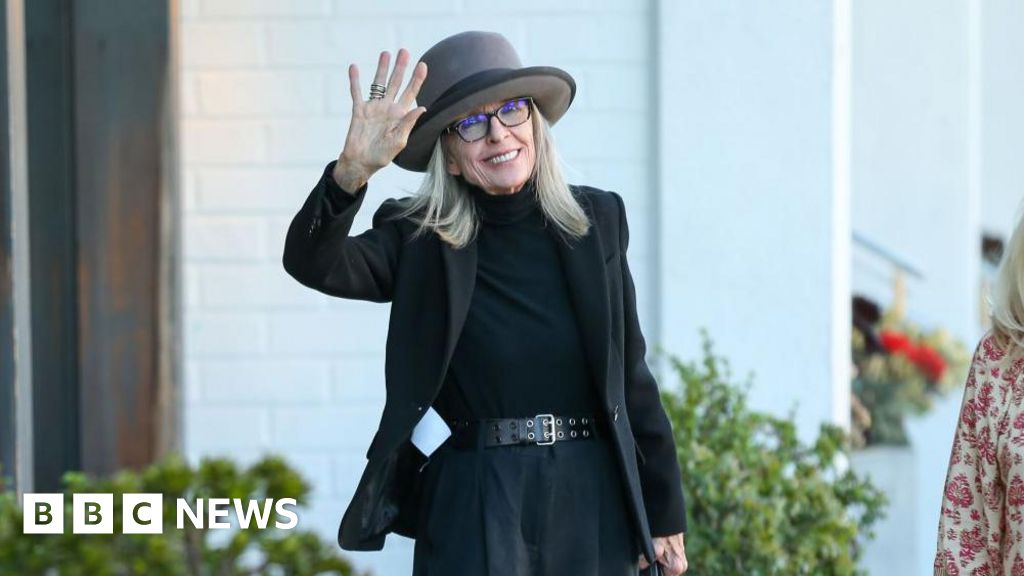
Pat Finn Dies at 60: Beloved US Actor Behind Friends and The Middle
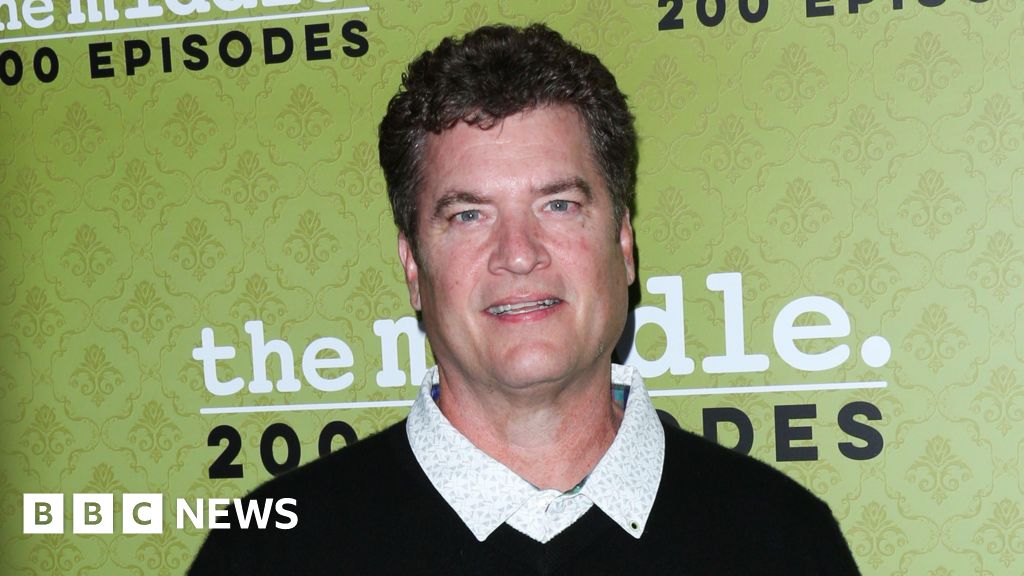
Pat Finn, Beloved US Actor, Passes at 60
Renowned American actor Pat Finn, best known for his memorable roles in hit sitcoms like Friends and The Middle, has died at age 60, as reported by BBC. Born Patrick Cassidy Finn on July 31, 1965, he passed away on December 22, 2025, leaving fans mourning a versatile talent who lit up screens for decades[1].
Career Highlights in Comedy and Improv
Finn's journey began with the comedy troupe The Second City, honing his improvisation skills that defined his career. Throughout the 1990s and 2000s, he charmed audiences in various sitcoms, showcasing sharp wit and timing. His guest spots brought unique energy to ensemble casts, making him a go-to performer for lighthearted TV moments. Beyond acting, Finn's improv background influenced his dynamic on-screen presence.
Lasting Legacy in Television
Finn's contributions to comedy endure through reruns and fond memories. His work in Friends and The Middle highlighted everyday humor, resonating with generations. Tributes pour in, celebrating a life dedicated to laughter. As Hollywood reflects, Finn's improvisational spirit continues inspiring performers everywhere.
About the Organizations Mentioned
BBC
## Overview The British Broadcasting Corporation (BBC) is the world’s oldest and largest national broadcaster, serving as a cornerstone of public service media in the United Kingdom and beyond[1][2]. Headquartered in London, the BBC operates under a royal charter and is primarily funded by a television licence fee paid by UK households, ensuring its editorial independence from both government and commercial interests[1][2]. This model allows the BBC to fulfill its mission to “inform, educate, and entertain” with impartiality at its core[3]. ## History and Evolution The BBC was founded on October 18, 1922, as the British Broadcasting Company Ltd., evolving into a public corporation under royal charter on January 1, 1927[1][2]. Its first Director-General, John Reith, established principles of independence and public service that continue to guide the organization. The BBC launched its television service in 1936, pioneering broadcasting technology, and expanded globally with the BBC World Service in 1932, now broadcasting in 28 languages[1][2]. ## Key Achievements The BBC has been a trailblazer in broadcasting, introducing innovations such as regular television broadcasts, color TV, and digital platforms like BBC iPlayer[1][2]. It has earned a reputation for high-quality journalism, producing globally recognized programs in news, drama, and documentary. The BBC’s international arm, BBC Studios, commercializes content worldwide, while the BBC World Service remains a vital source of news in regions with limited press freedom[1]. The corporation has received numerous accolades, including the Queen’s Award for Enterprise for its international business achievements[1]. ## Current Status and Digital Transformation With over 21,000 employees, the BBC remains a dominant force in media, generating £5.4 billion in annual income, mostly from licence fees[2]. It operates multiple TV channels, radio stations, and a robust online presence, including BBC News Online and BBC.com[1
The Second City
**The Second City** is the world's premier improvisational comedy theater, school, and cabaret venue, renowned for spontaneous performances, satirical sketches on social and political issues, and training generations of comedy superstars.[1][2][6] Founded on December 16, 1959, in Chicago's Old Town neighborhood by Paul Sills (son of improv pioneer Viola Spolin), Bernie Sahlins, and Howard Alk, it emerged from the Compass Players, America's first improv troupe formed in 1955 at the University of Chicago.[1][3][4][5] Named after a mocking 1952 *New Yorker* article dubbing Chicago the "Second City," the cabaret at 1842 N. Wells St. revolutionized comedy through Spolin's games, emphasizing ensemble collaboration over scripted solos.[1][2][6] Early hits featured satire on 1960s turmoil, with breakthroughs like Mike Nichols and Elaine May spinning routines into Broadway success.[3] Key achievements include launching icons like Alan Arkin, Barbara Harris, John Belushi, Gilda Radner, Bill Murray, Dan Aykroyd, and Mike Myers, who fueled *Saturday Night Live*'s DNA—Second City supplied trailblazers for its first 50 years.[5][7][8] Milestones: 1961 Tony-nominated Broadway revue, national tours from 1967, first comedy album, and Del Close as resident director.[6] Expansion followed: Toronto outpost in 1973 at the Old Fire Hall (nurturing SNL alums), a 1967 move to 1616 N. Wells St., Hollywood venue, and 2024 New York debut in Brooklyn's 12,000 sq ft Williamsburg space with mainstage, second stage, classrooms, and restaurant.[5][6][7][8] Today, marking 66 years, Second City thrives with nightly live shows in Chicago, Toront