Ray Lewis Encourages Lacy, Instilling Resilience in Ole Miss Rebels
Miami's Lewis Encourages Lacy, Resilient Rebels
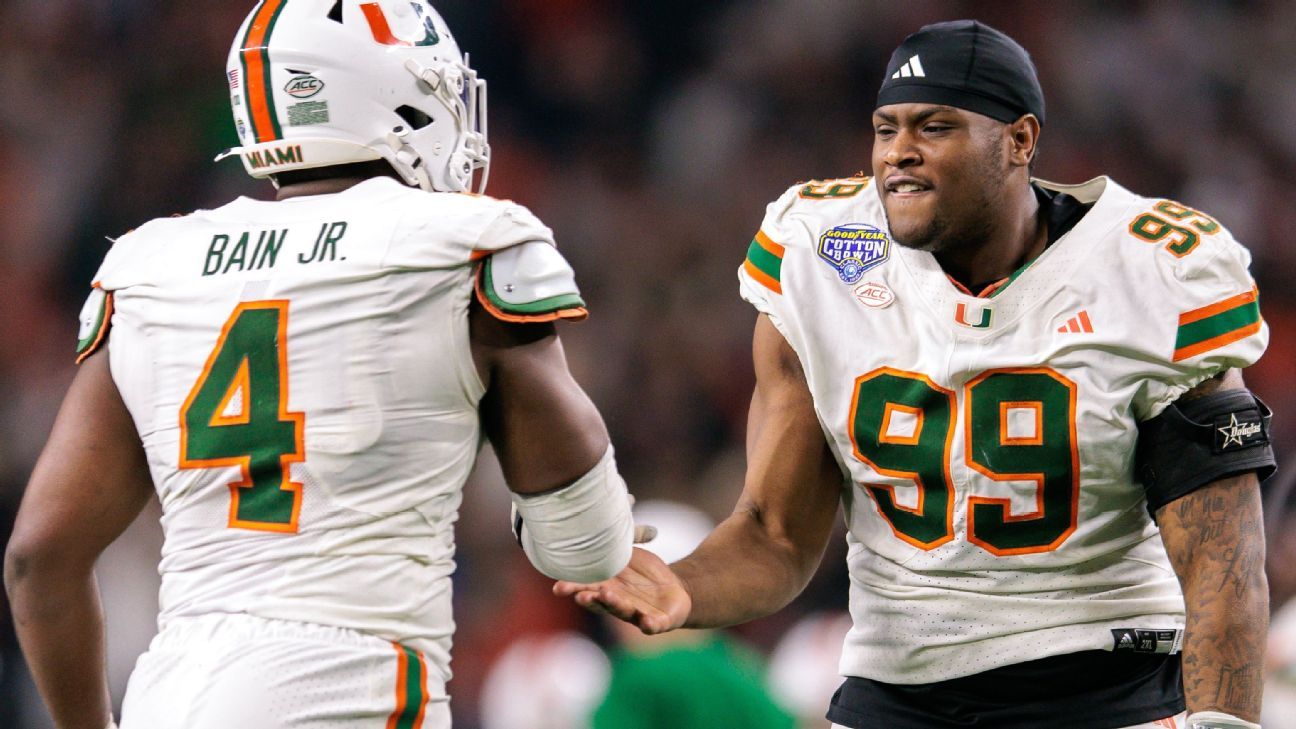
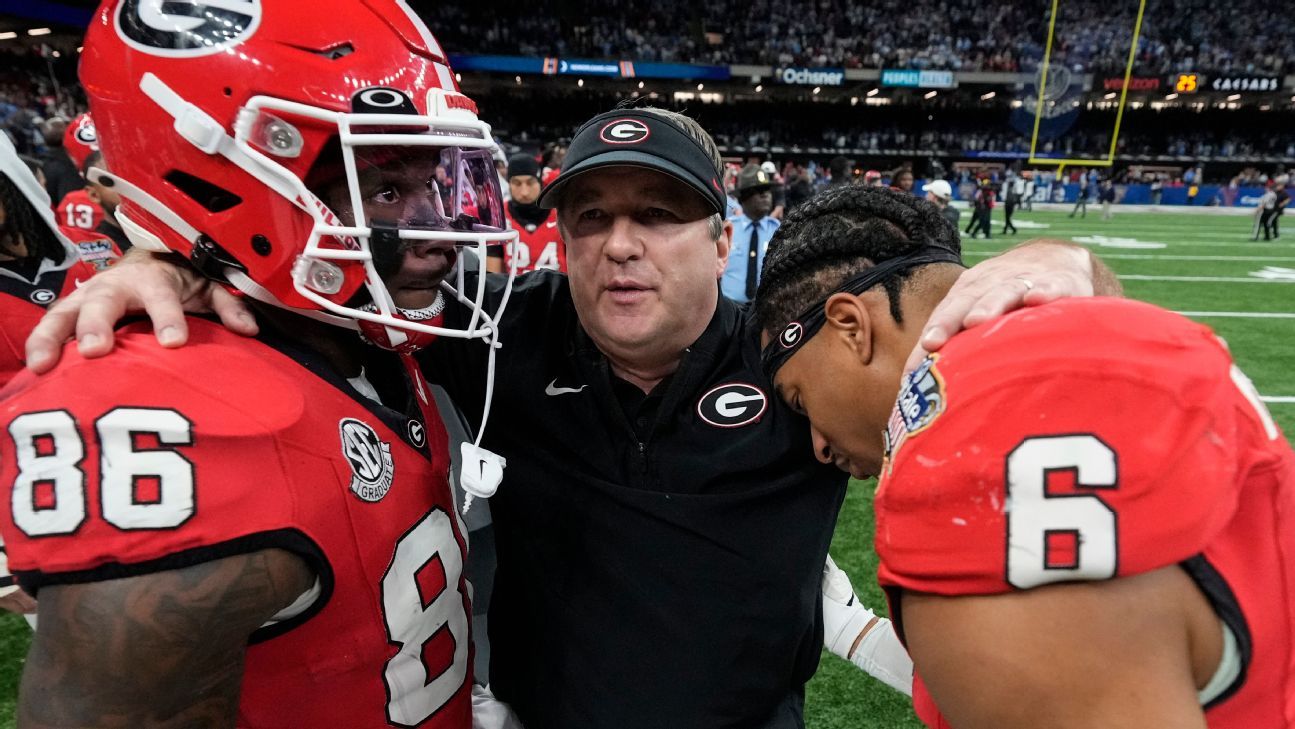
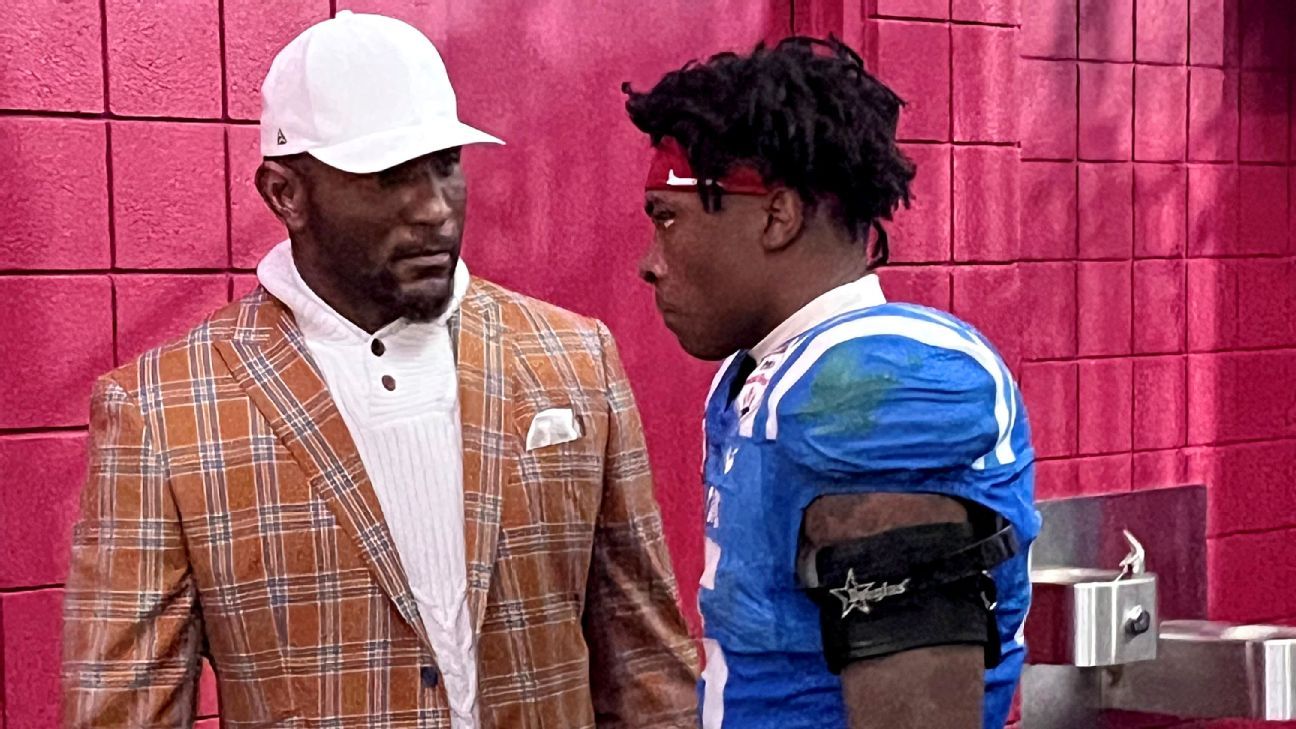
Miami legend Ray Lewis leaning in to encourage Ole Miss running back Kewan Lacy after the CFP semifinal created one of the night’s most memorable images. In the shadow of a heartbreaking finish, his words echoed a larger truth about college football: seasons end, but lessons endure. For Lacy, a breakout star carrying championship expectations, the loss felt crushing. Yet Lewis reminded him that careers are defined less by one scoreboard and more by how players respond when the stadium finally falls quiet.
Resilience Beyond the Scoreboard
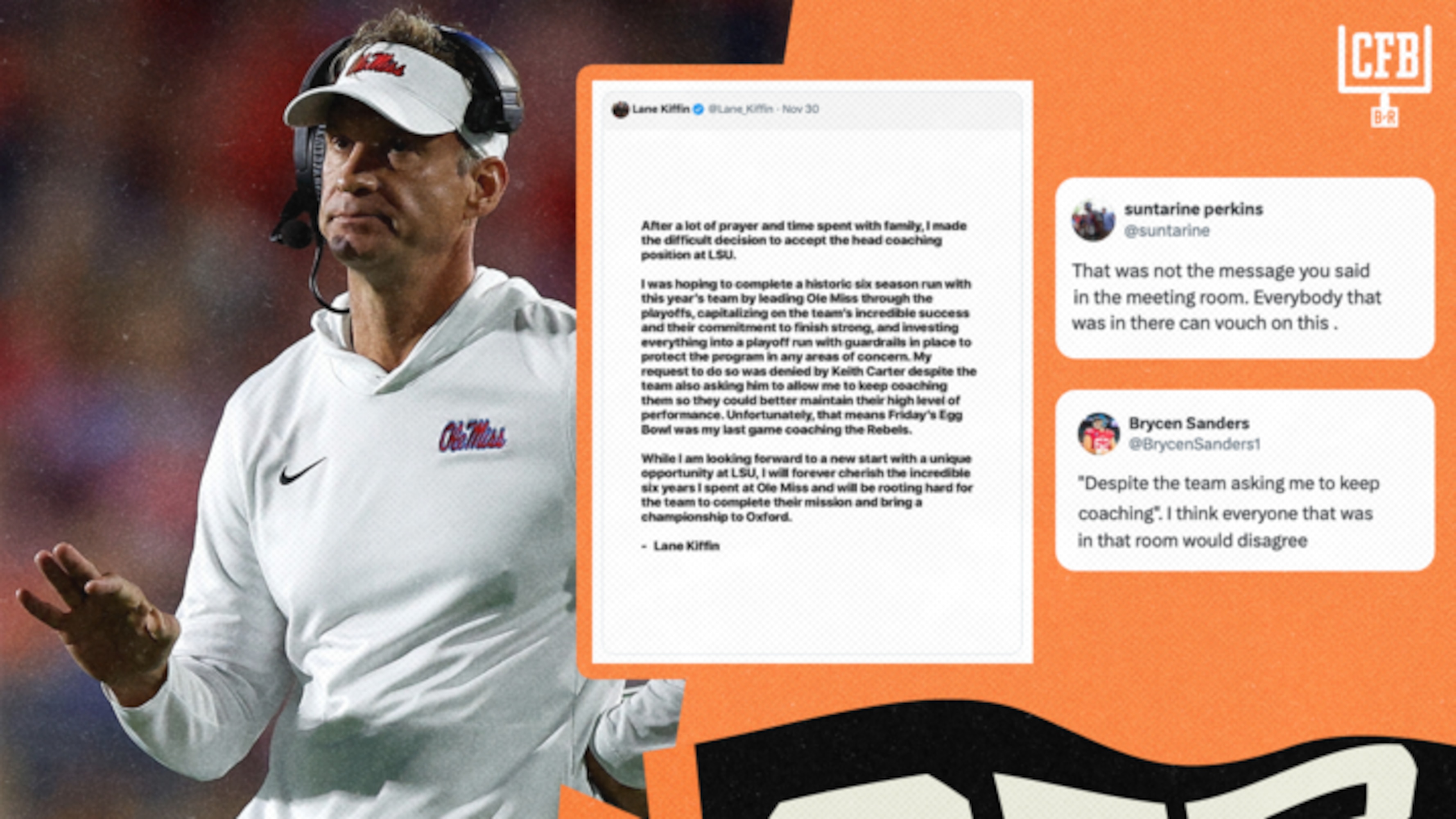
That message matched the identity Ole Miss built all season. The Rebels battled through depth questions, coaching changes, and relentless fourth quarters, still finding ways to answer every punch with another drive. Lacy embodied that mindset with his relentless running style and willingness to finish plays through contact. Lewis’ sideline counsel turned a painful moment into a bridge, linking Miami’s historic toughness with a Rebels program still writing its next chapter.
About the People Mentioned
Ray Lewis
Ray Lewis (born May 15, 1975, in Bartow, Florida) is a former American football **middle linebacker** widely regarded as one of the greatest defensive players in National Football League (NFL) history.[1][2] He played his entire **17-season** professional career with the **Baltimore Ravens**, who drafted him in the first round of the 1996 NFL Draft.[1][4] From his rookie season, Lewis emerged as the leader of the Ravens’ defense, leading the team in tackles in 14 of his 17 seasons.[2][4] He anchored a dominant unit that set a 16‑game record for fewest points and rushing yards allowed in 2000, culminating in a victory in **Super Bowl XXXV**, where he was named **Super Bowl MVP**.[1][2] Lewis later helped Baltimore win **Super Bowl XLVII**, which was also his final NFL game.[1][3] Over his career, Lewis became a **13‑time Pro Bowler** and **10‑time All‑Pro**, and he won the **Associated Press Defensive Player of the Year** award twice (2000, 2003).[1][2][5] He is the only player in NFL history with at least **40 sacks and 30 interceptions** (41.5 sacks, 31 interceptions), underscoring his impact as both a run stopper and pass defender.[2] He accumulated well over 2,000 career tackles and set multiple franchise records with the Ravens, including most seasons and games played.[1][2] Lewis’s early career was overshadowed by his involvement in a 2000 double-homicide case; murder charges against him were dropped after a plea deal to obstruction of justice, and he later worked on rebuilding his public image and engaging in community service.[1][4] After retiring following the 2012 season, he served as an NFL analyst for ESPN and other outlets and published a memoir.[4] In 2018, he was **inducted into the Pro Football Hall of Fame** in his first year of eligibility, cementing his status as one of the era’s defining defensive players.[2][4]
Kewan Lacy
Kewan Duntrell Lacy (born July 6, 2006) is an American college football **running back** for the University of Mississippi (Ole Miss) Rebels, emerging as one of the most productive backs in the Southeastern Conference (SEC).\[5\]\[6\] A former four-star recruit from Lancaster High School in Texas, he rushed for 1,513 yards and 19 touchdowns as a senior and was ranked among the top running backs nationally by major recruiting services.\[4\]\[5\]\[8\] Lacy began his college career at the University of Missouri, where he played the 2024 season.\[1\]\[4\] As a true freshman, he appeared in six games and logged 23 carries for 104 rushing yards, plus two receptions for nine yards.\[1\]\[4\] After limited usage in Columbia, he entered the transfer portal and moved to Ole Miss ahead of the 2025 season.\[1\]\[2\]\[6\] At Ole Miss, Lacy quickly became the **starting running back** and centerpiece of the Rebels’ offense.\[1\]\[2\]\[6\] He opened his 2025 campaign with 108 rushing yards and three touchdowns in his first game as a Rebel.\[1\]\[2\] Over the season he developed into one of the nation’s top rushers, finishing with 1,279 rushing yards and 20 rushing touchdowns, leading the SEC in rushing scores and setting an Ole Miss single-season record for both rushing and all-purpose touchdowns.\[2\]\[3\] His breakout year earned him **All-SEC** recognition and **Associated Press All-America** honors, as well as finalist spots for awards such as the Earl Campbell and Doak Walker Awards.\[2\]\[3\] Lacy also played a key role in helping Ole Miss reach the College Football Playoff, significantly raising his national profile and positioning himself as one of the more prominent running backs in college football.\[2\]\[6\]
About the Organizations Mentioned
Ole Miss
## Overview The University of Mississippi, affectionately known as Ole Miss, is Mississippi’s flagship public research university and a member of the elite R1: Doctoral Universities—Highest Research Activity group, reflecting its commitment to high-impact research and academic excellence[5][7]. Founded in 1848, Ole Miss has grown from a regional institution to a nationally recognized university with over 24,000 students, offering more than 90 majors across 15 academic divisions, including nationally ranked programs in business, accountancy, law, pharmacy, and medicine[3][5]. ## History Ole Miss has a rich and complex history. While it is celebrated for its traditions, Southern charm, and picturesque campus in Oxford, it also played a pivotal role in the Civil Rights Movement when James Meredith became its first African American student in 1962, marking a turbulent but ultimately transformative chapter in its journey toward inclusivity and diversity[2][4]. Today, the university is noted for its efforts to foster a welcoming environment for students from all backgrounds, both within Mississippi and internationally[2][4]. ## Key Achievements Ole Miss has a legacy of innovation, notably in medicine: surgeons at its medical center performed the world’s first human lung and heart transplants in the 1960s[2]. The university’s research enterprise continues to address critical challenges in health, technology, and society, with a strong focus on community engagement and economic development[3][7]. Its Honors College is recognized for blending rigorous academics with experiential learning and community action[1][5]. ## Current Status Today, Ole Miss is a vibrant, diverse community that balances academic rigor with a lively campus culture. It is renowned for its SEC athletics, premier tailgating in “The Grove,” and a student life that regularly earns top marks for school spirit, social scene, and sense of community[1][3][5]. The university has adapted well to the digital age, offering robus
Miami
The **City of Miami** is a dynamic municipal organization focused on enhancing the quality of life for its diverse residents while positioning itself as a global leader in technology, innovation, and resiliency. As the administrative hub of Miami-Dade County’s most populous city, it operates with a robust workforce of approximately 5,031 employees and an operating budget nearing $1.8 billion for the fiscal year 2024-2025[7][3]. Established as the local government entity, Miami’s mission centers on improving public safety, housing, mobility, and community spaces, alongside fostering an efficient and transparent government[1]. The City actively pursues modernization and streamlining of its processes to deliver efficient services, strengthen public trust through excellent customer engagement, and maintain clear, timely communication with stakeholders[1]. It prioritizes enhancing shared civic spaces by maintaining and expanding parks and greenways that encourage outdoor activities, as well as improving mobility through safer pedestrian environments and affordable multi-modal transportation options[1]. Historically, Miami has evolved into a vibrant urban center, noted for its strategic downtown development initiatives led by agencies such as the Downtown Development Authority (DDA), which aims to make Downtown Miami the most livable urban center in the nation and the "Epicenter of the Americas" for commerce, culture, and tourism[8]. The City’s strategic plans emphasize resilience against climate challenges, especially hurricanes and rising sea levels, reflecting its commitment to sustainability and future-proofing urban infrastructure[1][7]. Key achievements include the successful implementation of multi-year capital plans that support infrastructure improvements, urban development, and community revitalization projects, notably in neighborhoods like Liberty City through partnerships focused on affordable housing, economic development, and safety[10]. Miami’s government structure, led by City Manager Arthur Noriega V since 2020, reflects a blend of operational expertise and community responsiveness[7]. Today, Miami remains a hub of business and technology innovation, underpinning its status as a globally connecte