Rising Grocery Prices Put Strain on Consumers
Introduction
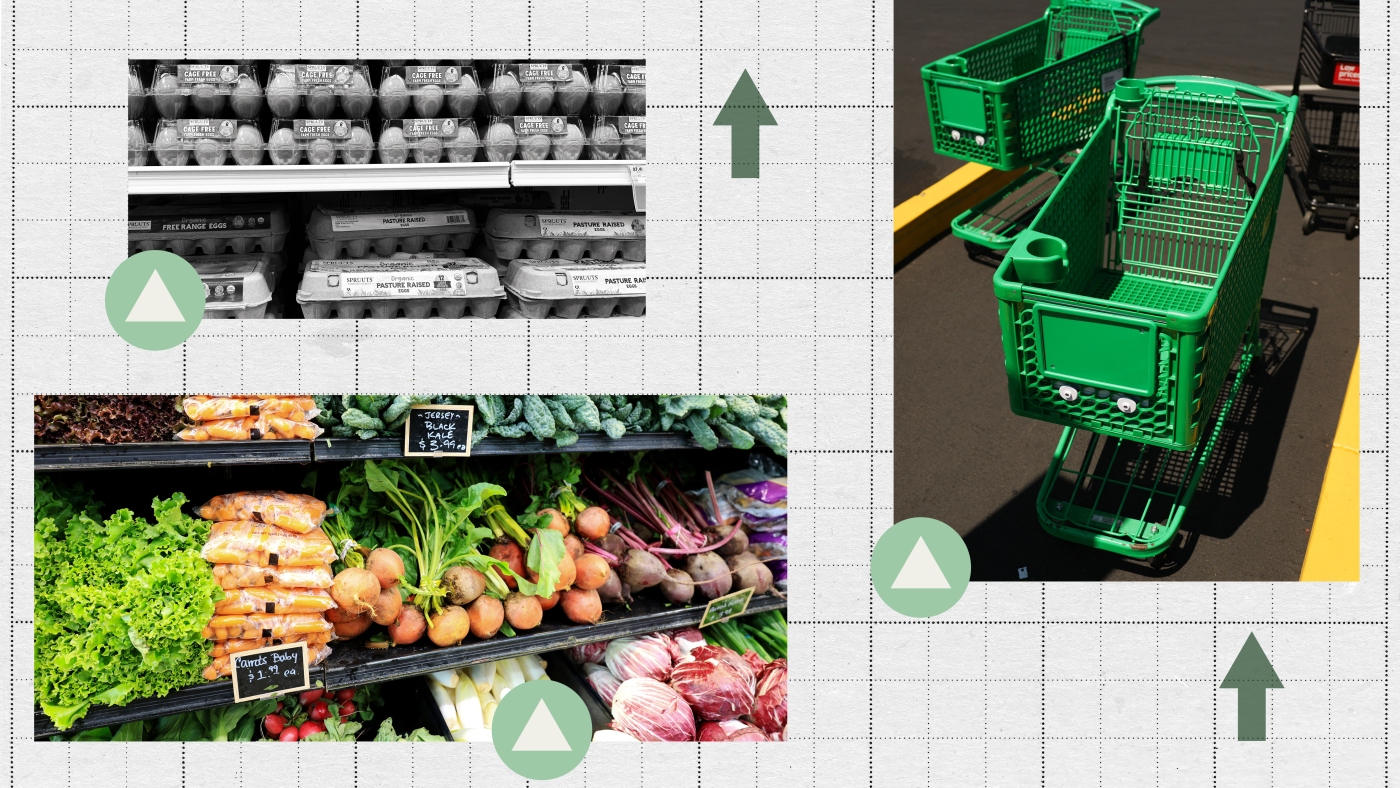
After a year of pandemic-induced grocery price drops, shoppers are now facing the reality of rising costs. According to NPR, groceries saw their biggest jump in nearly three years last month, with tariffs playing a significant role in the increase.
Key Details
The cost of imported staples such as bananas and coffee has risen due to tariffs, making it more expensive for customers to purchase these items. This is especially concerning for lower-income families who may rely on these basic goods as part of their daily diet. In addition, the rising cost of transportation and labor has also contributed to the overall increase in grocery prices.
Impact
The steady rise in grocery prices could have a significant impact on inflation and the overall cost of living. As consumers continue to feel the effects of the pandemic, the added expense of groceries could put a strain on their budgets. This may also lead to a shift in purchasing habits, as shoppers seek out more affordable options and cut back on non-essential items.
About the Organizations Mentioned
NPR
National Public Radio (NPR) is a premier American public broadcasting organization headquartered in Washington, D.C., with NPR West based in Culver City, California. It functions primarily as a national syndicator, distributing content to a network of over 1,000 public radio stations across the United States, most of which are owned by non-profit entities such as public school districts, colleges, and universities[1]. Founded in 1970, NPR operates independently of government or corporate control, relying financially on dues and fees from member stations, corporate underwriting, and grants from the publicly funded Corporation for Public Broadcasting. This financial model helps maintain its editorial independence and diverse programming[1]. NPR is best known for its flagship news programs, *Morning Edition* and *All Things Considered*, which are among the most popular drive-time radio shows nationally, attracting weekly audiences of approximately 15 million each. These programs exemplify NPR’s strong reputation for in-depth, factual, and engaging news coverage, appealing to listeners interested in business, technology, and broader cultural topics[1]. Beyond radio, NPR manages the Public Radio Satellite System, which distributes not only its own programming but also content from independent producers and networks like American Public Media and Public Radio Exchange (PRX). It also serves as a primary entry point for the Emergency Alert System. NPR content is widely accessible on demand via online streaming, mobile apps, and podcasts, reflecting its strategic adaptation to digital media trends and the growing podcast market[1][2]. Notable aspects of NPR include its commitment to innovation in public media and its collaboration with leading organizations to navigate challenges such as historic federal funding cuts. NPR’s role in shaping public discourse through trusted journalism and storytelling makes it a vital institution in the U.S. media landscape, especially for audiences focused on business and technology news[1][2].