Senegal's Dramatic AFCON Triumph Marred by Chaos
Senegal's Dramatic AFCON Triumph Marred by Chaos
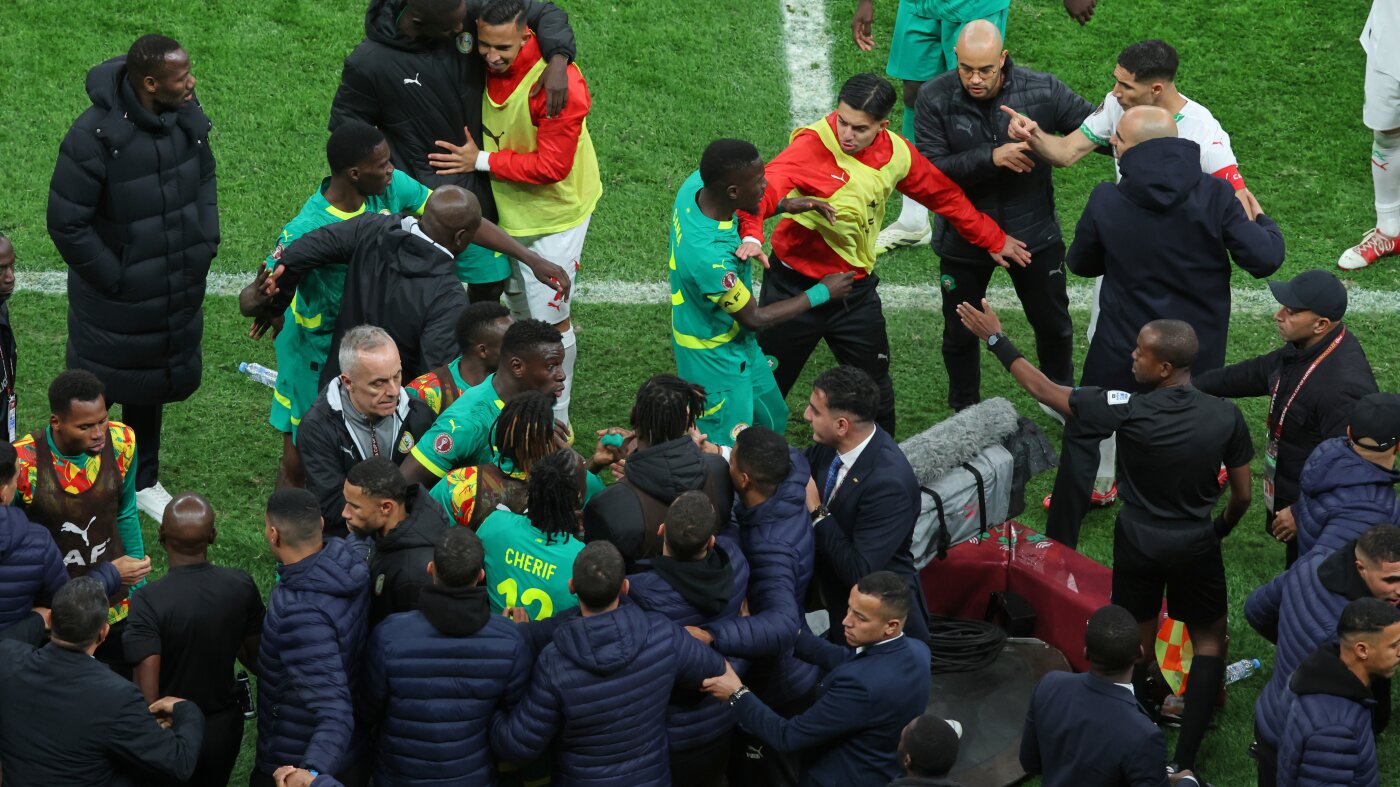
The 2025 Africa Cup of Nations final in Rabat pitted Senegal against host Morocco in a highly anticipated clash. Senegal clinched their second title in extra time with Pape Gueye's decisive strike, overcoming Morocco's missed penalty by Brahim Díaz. However, the match spiraled into controversy during stoppage time when VAR ruled out a Senegal goal for a foul on Achraf Hakimi, then awarded Morocco a penalty for an arm on Díaz, igniting fury among players and fans[1][3].
CAF's Heavy Sanctions on Both Sides
The Confederation of African Football swiftly investigated the brawl involving technical teams, players, and supporters invading the pitch. Fines exceeding $1 million were levied on Senegal and Morocco's federations. Senegal's coach faces a ban, alongside suspensions for players from both nations, addressing the violent scenes that tainted the emotional showdown[1][2].
Implications for African Soccer
This incident underscores VAR's role in high-stakes games and the need for better crowd control. While Senegal celebrates, Morocco's 50-year title drought persists amid disappointment. CAF's firm response aims to deter future disruptions, ensuring the tournament's integrity endures[4].
About the Organizations Mentioned
Confederation of African Football
**The Confederation of African Football (CAF)** governs association football, beach soccer, and futsal across Africa, organizing major tournaments, developing talent, and promoting the sport continent-wide with its 54 member associations.[1][2][4] Founded on February 8, 1957, at Khartoum's Grand Hotel in Sudan, CAF emerged from discussions at the 1954 and 1956 FIFA Congresses, involving Egypt, Sudan, Ethiopia, and South Africa as initial members.[2][4][7] Abdel Aziz Abdallah Salem of Egypt became its first president, with headquarters initially in Khartoum before relocating to Cairo, Egypt, after a fire.[2][4] The inaugural Africa Cup of Nations (AFCON) that year, hosted by Sudan and won by Egypt, marked CAF's launch amid decolonization waves—only three teams competed initially, as South Africa faced exclusion over apartheid-era racial policies, underscoring football's role in pan-African unity.[1][5][6] CAF's **key achievements** include expanding AFCON into a biennial powerhouse, introducing qualifying rounds by 1962 as memberships surged post-independence, and launching the African Nations Championship (CHAN) in 2009 to spotlight home-based players amid talent drains to Europe.[5][7] It has elevated African football globally, securing continental representation in FIFA and fostering youth development from U15 to senior levels.[1][2] Today, under President Patrice Motsepe—elected unopposed in 2021—CAF drives modernization, including infrastructure investments and digital initiatives blending sports with business opportunities in broadcasting, sponsorships, and tech-driven fan engagement.[2][7] Challenges persist, like player migrations, but CAF's growth positions it as a billion-dollar enterprise, attracting tech innovators in data analytics and virtual reality for scouting. This evolution mirrors Africa's rising economic clout, making CAF a pivotal playe





.jpg?w=3800&h=2000)