Indiana Hoosiers Epic Rise: From Doormat to National Championship

From Doormat to Dynasty: Indiana's Epic Rise
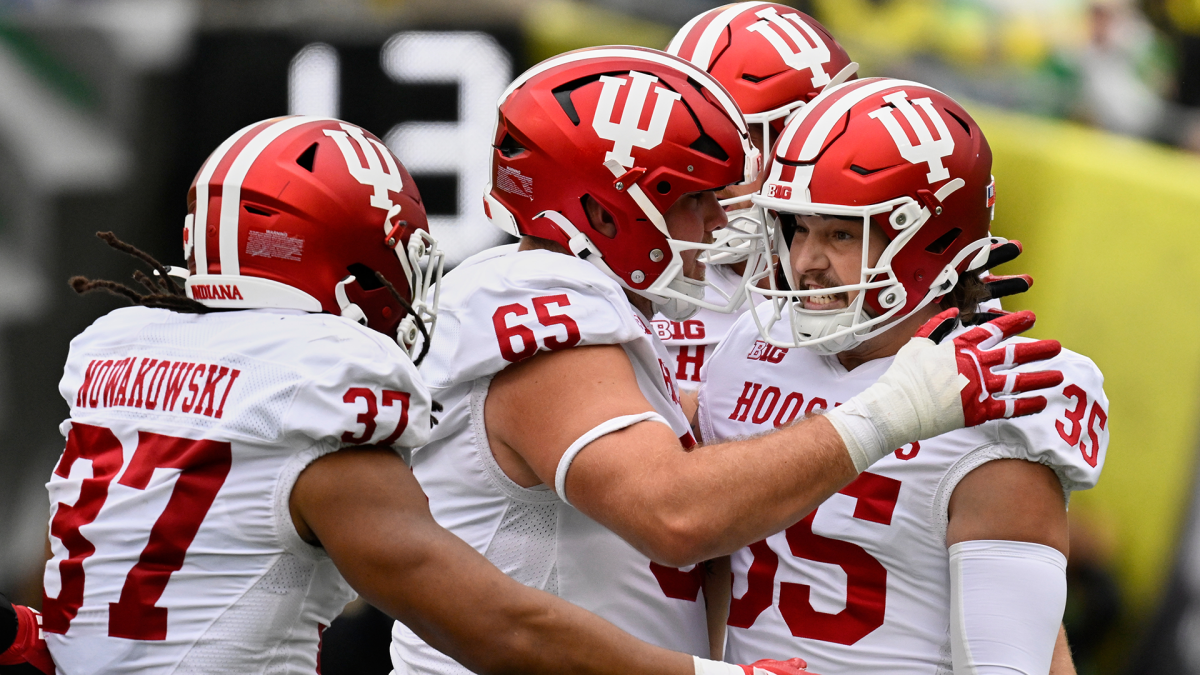
Indiana Hoosiers football once epitomized futility, amassing over 700 losses in more than a century. Yet, under coach Curt Cignetti, they scripted a fairy-tale turnaround, storming to the first national championship in program history with a perfect 16-0 record—the first since Yale in 1894.[1][3]
Key Milestones in the Miracle Season
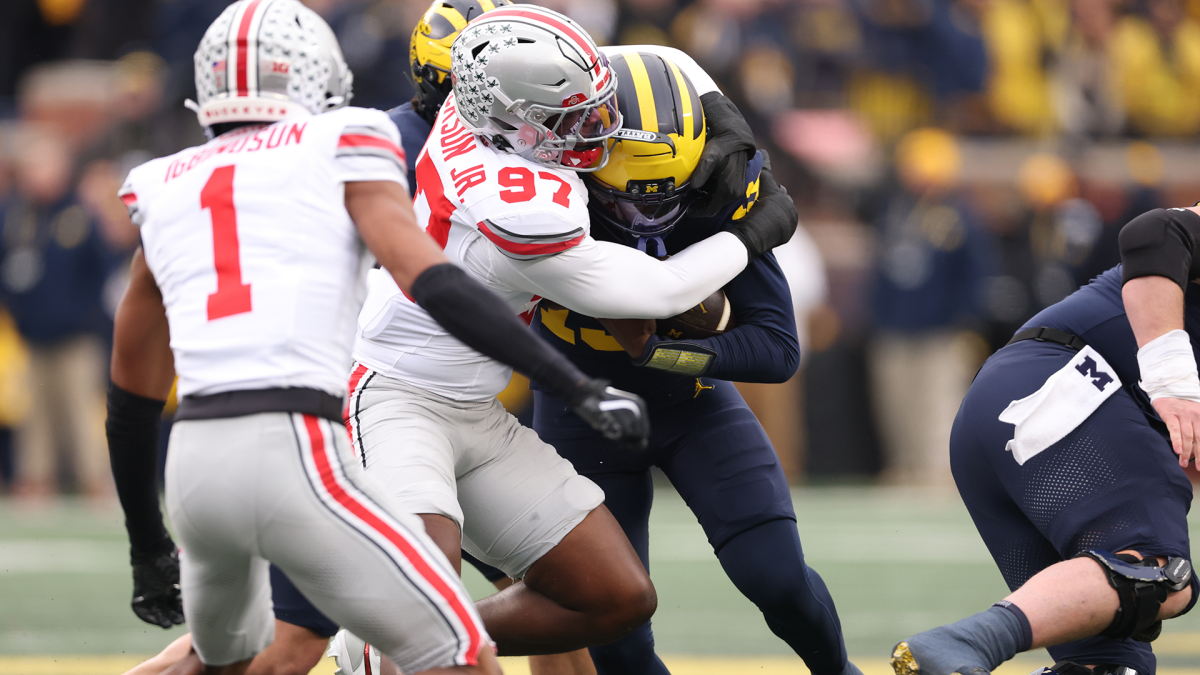
Heisman winner Fernando Mendoza dazzled, shredding Illinois 63-10 with five touchdown passes, then engineering a late-game drive to stun Penn State. In the Big Ten title clash, his clutch 17-yard score toppled No. 1 Ohio State 13-10, ending a 58-year drought. Playoff dominance followed: 38-3 over Alabama, 56-22 against Oregon, and a gritty 27-21 championship triumph over Miami, sealed by Mendoza's bulldozing touchdown run.[2][4]
Legacy of an Unforgettable Journey
This Hoosiers saga erases decades of mediocrity—no Heismans, no titles, no Big Ten crowns since 1967—replacing them with glory. Mendoza's magic and defensive prowess fueled blowouts, proving underdogs can conquer giants and rewrite history forever.[5]
About the People Mentioned
Fernando Mendoza
Fernando Mendoza is a rising star in American college football, currently playing as a quarterback for the Indiana Hoosiers. Born on October 1, 2003, in Miami, Florida, Mendoza is of Cuban descent and attended Christopher Columbus High School, where he developed his football skills. Initially, he committed to Yale University but later decided to join the University of California, Berkeley, to play for the California Golden Bears[1][3]. During his time at Cal, Mendoza gradually rose through the ranks, becoming a starter in the latter part of the 2023 season. He earned recognition for his performances, including a notable start against Oregon State where he completed 21 of 32 passes for 207 yards and two touchdowns[1]. After spending three seasons with the Golden Bears, Mendoza transferred to Indiana, attracted by the program's player development and coaching staff, including his younger brother Alberto, who is also part of the team[3][4]. Mendoza's career has been marked by significant growth, transforming from a two-star recruit to a Heisman contender. His impressive performances have not only highlighted his potential but also placed him as a potential top pick in the 2026 NFL draft[2][4]. As of the 2025 season, Mendoza has been exceptional, leading the nation in several quarterback statistics, including 14 passing touchdowns with no interceptions, and a high completion percentage[4]. His leadership and talent have made him a key figure in college football, with many considering him a bright future prospect in the sport.
About the Organizations Mentioned
Indiana Hoosiers
The **Indiana Hoosiers** primarily refer to the intercollegiate sports teams representing Indiana University Bloomington, competing at the NCAA Division I level and as members of the Big Ten Conference since 1899. The Hoosiers’ athletic program is highly distinguished, having won 24 NCAA national team championships and 145 NCAA individual national championships across 24 sports. Their men's basketball team is especially renowned, with five NCAA titles and the 1976 undefeated championship team, the last to achieve such a feat in college basketball history. Indiana’s men's soccer program is also historically dominant, holding the record for the most national championships and College Cup appearances in Division I soccer[2][7][8]. The Hoosiers football program competes in the NCAA FBS and has won the Big Ten championship twice, in 1945 and 1967, appearing in 12 bowl games including the prestigious Rose Bowl. The team made the College Football Playoff in 2024 and has produced six College Football Hall of Fame inductees, highlighting its legacy in collegiate football[5]. Beyond sports, the Indiana Hoosiers embody a strong community engagement ethos. Their athletics department is actively involved in service programs like Hoosiers Helping Hoosiers, which focuses on literacy, health, and support for families facing hardships. This initiative collaborates with local hospitals and schools to promote wellness, education, and hope through various outreach efforts[6]. The term "Hoosier" also refers broadly to people from Indiana, inspiring several local organizations such as Hoosier Action, a member-led community group advocating for equitable policies in rural Indiana, and Hoosiers For Good, a nonprofit leveraging the influence of IU athletes to support charitable causes statewide[1][4]. In summary, the Indiana Hoosiers represent both a storied collegiate athletic tradition with significant national achievements and a broader community identity fostering civic engagement and social impact within Indiana. Their combination of athletic excellence and community commitment makes them a notable an
Big Ten
## Overview The Big Ten Conference, officially known as the Big Ten, is one of the oldest and most prestigious collegiate athletic conferences in the United States, but its influence extends far beyond sports. Founded in 1896 as the Intercollegiate Conference of Faculty Representatives—also known as the Western Conference—the Big Ten was initially created to standardize rules and improve safety in college football, which was growing rapidly in popularity at the time[1][3]. Its founding members included the Universities of Chicago, Illinois, Michigan, Minnesota, Wisconsin, Purdue, and Northwestern[1][3]. ## Historical Development Over the decades, the Big Ten has undergone several significant changes. Iowa and Indiana joined in 1899, and Ohio State was added in 1912[3]. The conference experienced a notable departure when the University of Michigan left temporarily from 1907 to 1916 due to disagreements over rules, only to return and solidify the “Big Ten” moniker[1][2]. The University of Chicago withdrew in 1946, but Michigan State’s addition in 1949 restored the conference to ten members[3]. The conference remained stable for nearly 40 years before a new era of expansion began in 1990 with the addition of Penn State, followed by Nebraska in 2011, Maryland and Rutgers in 2014, and most recently, Oregon, USC, Washington, and UCLA in 2024, bringing the total to 18 members[3][5]. ## Key Achievements and Notable Aspects The Big Ten is renowned for its combination of athletic excellence and academic rigor. It pioneered the Big Ten Medal of Honor in 1915, recognizing student-athletes who excel both on the field and in the classroom[5]. The conference also established the first permanent bowl-conference affiliation with the Tournament of Roses in 1946 and introduced a groundbreaking revenue-sharing model for television proceeds in 1955[5]. Academically, th
Penn State
## Overview Pennsylvania State University, commonly known as Penn State, is a major public research university and Pennsylvania’s sole land-grant institution. It is renowned for its comprehensive mission of teaching, research, and public service, aiming to “improve the lives of the people of Pennsylvania, the nation, and the world through integrated, high-quality programs in teaching, research, and service”[5]. Penn State’s main campus is located in University Park, with 19 branch campuses across the state, a medical school in Hershey, a law school in Dickinson, and additional specialized institutions[5]. The university offers a broad range of degrees—associate, bachelor’s, master’s, doctoral, and professional—as well as continuing education programs[5]. ## History Founded in 1855 as the Farmers’ High School of Pennsylvania, Penn State’s origins reflect its commitment to practical education[1][2]. The institution was established with a 200-acre land donation from James Irvin and was initially focused on applying scientific principles to farming[1][3]. It was renamed the Agricultural College of Pennsylvania in 1862 and became the state’s land-grant college following the passage of the Morrill Act in 1863[2][3]. Under the leadership of President George W. Atherton in the 1880s, the curriculum expanded to include engineering, the sciences, liberal arts, and more, aligning with the broader mandate of land-grant institutions[1][2]. The university’s name changed to Pennsylvania State College in 1874 and finally to Pennsylvania State University in 1953[2][3]. ## Key Achievements Penn State has a long tradition of innovation in education and research. It was among the first institutions to integrate cooperative extension and outreach programs in the early 1900s, extending its academic influence statewide[1]. The university’s engineering program quickly became one of the ten largest in the nation[
Ohio State
## Overview The Ohio State University (OSU) is a major public land-grant research university located in Columbus, Ohio, established in 1870 and now one of the largest universities in the United States by enrollment[1][4]. As a member of the Association of American Universities, Ohio State is classified as an R1 institution—designating “very high research activity”—and serves nearly 50,000 undergraduate and 15,000 graduate students across more than 400 degree programs[4]. The university operates a main campus in Columbus and several regional campuses in Ohio, including Lima, Mansfield, Marion, and Newark, as well as the Agricultural Technical Institute in Wooster[1][3]. ## Mission and Activities Ohio State’s mission centers on academic excellence, research, and public service, embodying its land-grant heritage by providing accessible, high-quality education and driving innovation that benefits society[5]. The university is organized into 18 colleges and schools, offering more than 12,000 courses and housing over 200 academic centers and institutes where interdisciplinary research and policy-making thrive[1]. OSU is particularly recognized for its strengths in fields such as nursing, business, and supply chain management, with several programs ranked among the top 10 nationally[2]. ## History and Key Achievements Since its first graduating class in 1878, Ohio State has grown into an academic powerhouse. It is the nation’s top producer of Fulbright Scholars, a leading contributor of Peace Corps volunteers, and boasts an impressive roster of alumni and faculty, including Nobel laureates, Pulitzer winners, and Olympic medalists[1][4]. The university consistently ranks among the top public institutions in the U.S., currently holding the 15th spot nationally and 1st in Ohio according to U.S. News & World Report[1][2]. OSU is also lauded for its commitment to student success, affordability, and veteran support, earning recognition as a “Best of
Alabama
The term "Alabama" typically refers to the U.S. state located in the southeastern region, rather than an organization. However, I can provide a summary of the state's government and notable aspects that might be of interest to readers in business and technology: ## Overview of Alabama Alabama is a state governed by a bicameral legislature, consisting of the Senate and the House of Representatives, alongside a governor and cabinet. The state government plays a crucial role in managing various sectors, including education, healthcare, and economic development. ## History Alabama's government structure has evolved since its inception as a territory in 1817. It became a state in 1819 and has since adopted several constitutions, with the current one being the 1901 Constitution. Over the years, the state has implemented significant reforms, such as the merit system in 1939, which aimed to improve administrative efficiency by consolidating functions and establishing a more organized civil service[2]. ## Key Achievements and Current Status Alabama has been focusing on economic development, particularly in the automotive and aerospace sectors. The state is home to major companies like Mercedes-Benz and NASA's Marshall Space Flight Center. In healthcare, Alabama has a comprehensive public health system with departments like the Alabama Department of Public Health, which oversees various health initiatives and emergency preparedness[4]. ## Notable Aspects - **Economic Growth**: Alabama is known for its strong manufacturing sector and has been successful in attracting foreign investment. - **Technological Advancements**: The state is involved in advanced technological research, particularly in aerospace. - **Education and Healthcare**: Alabama invests significantly in education and public health, with a focus on improving outcomes in these areas. In summary, Alabama is a state with a rich history, diverse economy, and ongoing efforts to enhance its technological and business sectors. While it is not an organization in the traditional sense, understanding its government and economic landscape can provide valuable insights for those interested in business and technology news.
Oregon
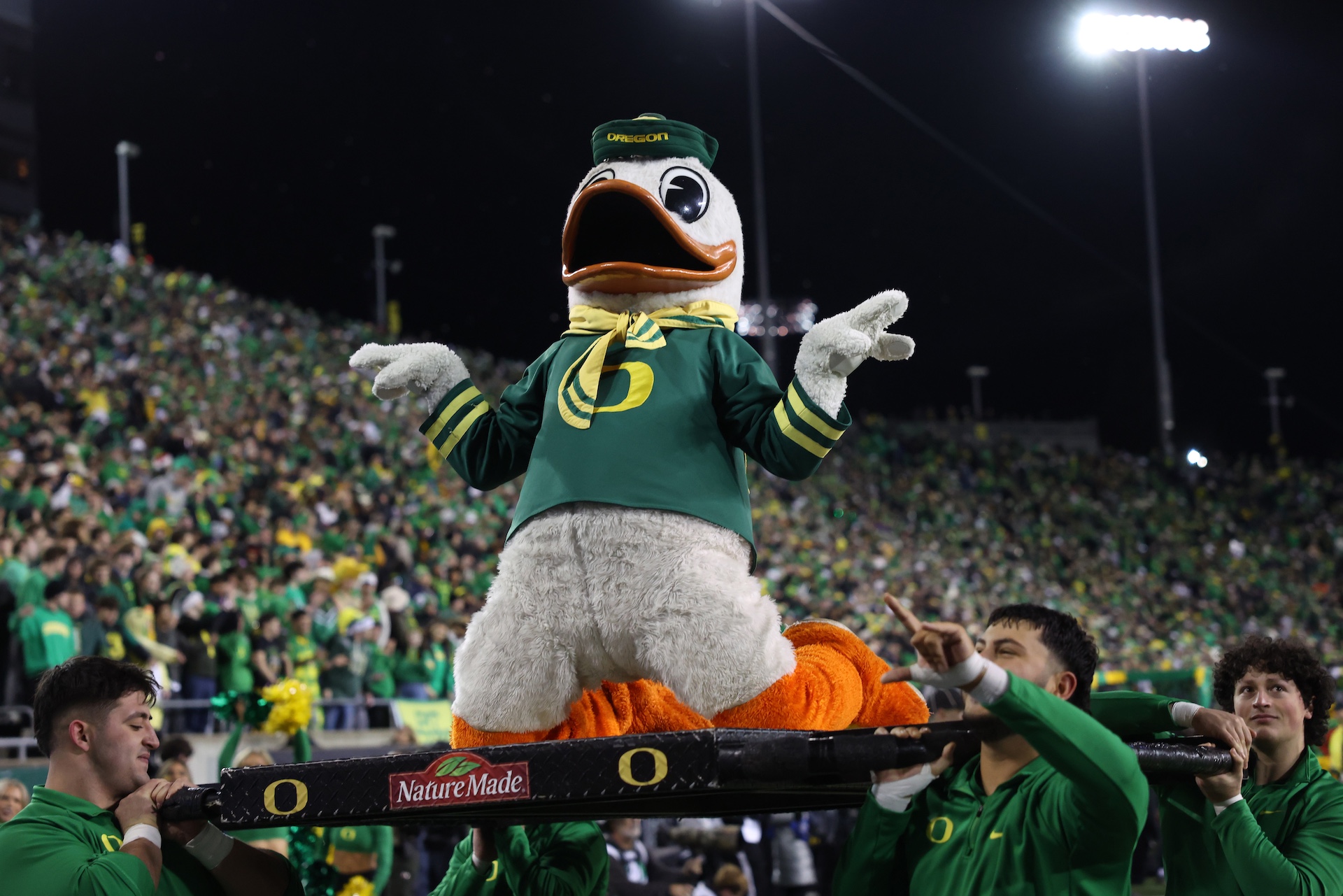
The term "Oregon" primarily refers to the U.S. state government and its related institutions rather than a single private organization. The **Oregon state government** oversees a wide range of public services including transportation, education, human services, and economic development. Its agencies manage significant budgets and legislative priorities affecting millions of residents. In 2025, Oregon's government focused heavily on transportation infrastructure, housing expansion, behavioral health, education accountability, and wildfire combat funding, reflecting Governor Tina Kotek’s legislative priorities[1][3][4]. The Oregon Department of Transportation (ODOT) played a crucial role in advancing major infrastructure projects such as the Interstate Bridge Replacement Project, supported by specific legislative changes in 2025[1]. The state legislature passed 640 bills in 2025, impacting various sectors including transportation and higher education[1][3]. Oregon's budget for the 2025-27 biennium totals approximately $138.9 billion, a 6.3% increase from the previous cycle, highlighting the state's growing investment in public services[2]. This includes $37.3 billion from the General Fund, $1.8 billion from Lottery funds, and $43.7 billion in federal funds[2]. However, funding challenges remain, especially in higher education, where public universities received less than requested for operating support, increasing pressure on tuition and institutional budgets[3]. Oregon’s research and educational institutions, such as Oregon State University, are deeply intertwined with federal funding, which comprises more than three-fourths of their sponsored activities. The 2025 federal government shutdown posed risks to ongoing research projects and educational programs, although short-term impacts were manageable[5]. Notably, Oregon’s state government continues to emphasize sustainability, public safety, and economic resilience through comprehensive legislative and budgetary measures, positioning the state as a significant player in public sector innovation and infrastructure development in the Pacific Northwest. In summary, **Oregon as an organization** is best understood as a complex
Miami
The **City of Miami** is a dynamic municipal organization focused on enhancing the quality of life for its diverse residents while positioning itself as a global leader in technology, innovation, and resiliency. As the administrative hub of Miami-Dade County’s most populous city, it operates with a robust workforce of approximately 5,031 employees and an operating budget nearing $1.8 billion for the fiscal year 2024-2025[7][3]. Established as the local government entity, Miami’s mission centers on improving public safety, housing, mobility, and community spaces, alongside fostering an efficient and transparent government[1]. The City actively pursues modernization and streamlining of its processes to deliver efficient services, strengthen public trust through excellent customer engagement, and maintain clear, timely communication with stakeholders[1]. It prioritizes enhancing shared civic spaces by maintaining and expanding parks and greenways that encourage outdoor activities, as well as improving mobility through safer pedestrian environments and affordable multi-modal transportation options[1]. Historically, Miami has evolved into a vibrant urban center, noted for its strategic downtown development initiatives led by agencies such as the Downtown Development Authority (DDA), which aims to make Downtown Miami the most livable urban center in the nation and the "Epicenter of the Americas" for commerce, culture, and tourism[8]. The City’s strategic plans emphasize resilience against climate challenges, especially hurricanes and rising sea levels, reflecting its commitment to sustainability and future-proofing urban infrastructure[1][7]. Key achievements include the successful implementation of multi-year capital plans that support infrastructure improvements, urban development, and community revitalization projects, notably in neighborhoods like Liberty City through partnerships focused on affordable housing, economic development, and safety[10]. Miami’s government structure, led by City Manager Arthur Noriega V since 2020, reflects a blend of operational expertise and community responsiveness[7]. Today, Miami remains a hub of business and technology innovation, underpinning its status as a globally connecte
Yale
**Yale University** is a private Ivy League research institution in New Haven, Connecticut, dedicated to advanced education, groundbreaking research, and fostering global leaders across humanities, sciences, law, medicine, and more.[1][5] Founded in 1701 as the **Collegiate School** by Congregationalist clergy in the Connecticut Colony, it aimed to train ministers in theology and sacred languages, starting classes in Killingworth before relocating to Saybrook and New Haven by 1716.[1][2][3] In 1718, philanthropist Elihu Yale's generous donations of books, a portrait, and goods prompted its renaming as Yale College, honoring his East India Company fortune.[1][4][5] The curriculum broadened during the American Revolution to include humanities and sciences, with enrollment surging due to military exemptions.[3][5] Key 19th-century expansions transformed it into a university: the Yale School of Medicine (1810), Divinity and Law Schools (1822), Graduate School of Arts and Sciences (1847, awarding the U.S.'s first PhD in 1861), and Sheffield Scientific School for engineering and applied sciences.[1][3][4][5] Renamed **Yale University** in 1887, it pioneered graduate and professional education, adding schools in art, music, forestry, management, architecture, nursing, drama, and public health.[5] The 1930s introduced a residential college system—inspired by Oxford and Cambridge—creating 12 intimate communities for undergraduates by 1963, enhancing academic and social life.[2][3][5] Women joined graduate programs in 1892 and undergraduates in 1969.[5] Yale's achievements include pioneering U.S. PhD programs, the Peabody Museum (1866), and the Yale Institute of International Studies (1935, evolving into today's Jackson School).[2] Notable alumni and faculty have shaped fields fro