Southwest Airlines' Winter Storm Crisis: Penalties, Refunds, and Lessons for 2023
#southwest_airlines #winter_storm #penalties #refunds #aviation_industry
Southwest Airlines and the 2022 Winter Storm Crisis
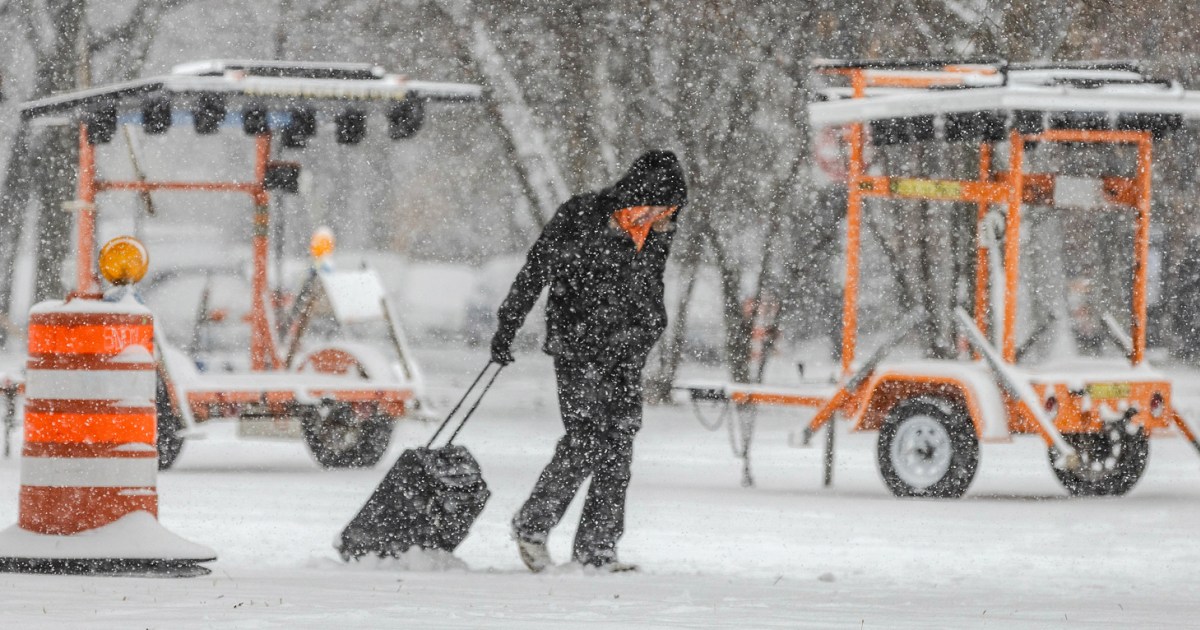
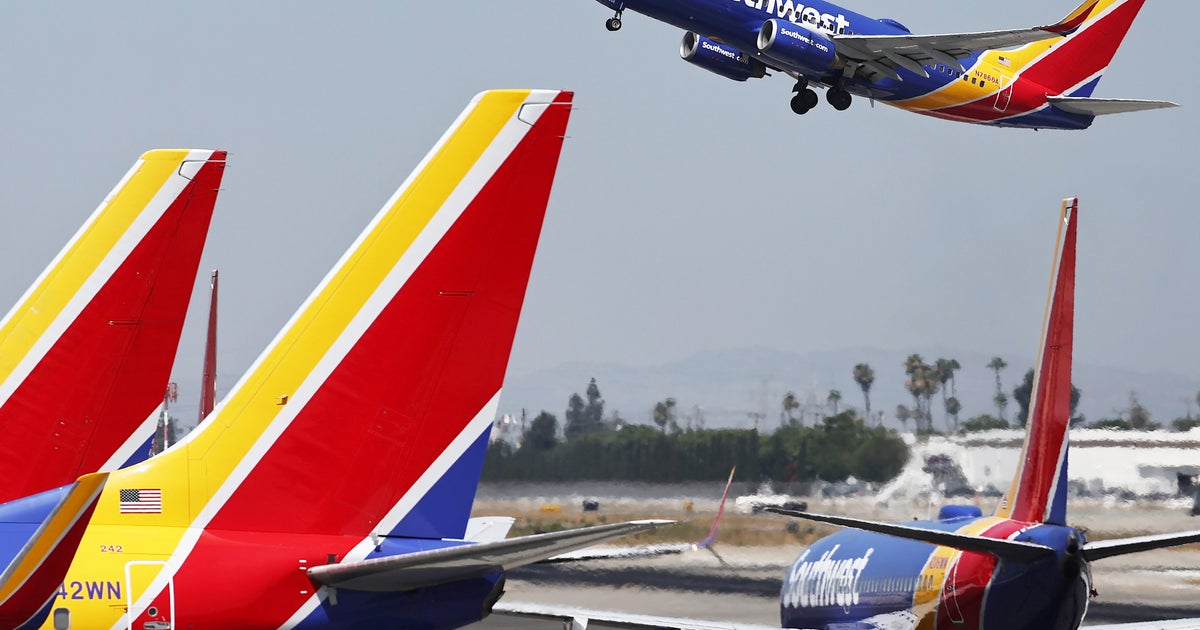
In late December 2022, Southwest Airlines faced a severe operational crisis triggered by a brutal winter storm across the U.S. The airline canceled approximately 16,900 flights, stranding over two million passengers during the holiday season. Although weather played a significant role, the mass cancellations exposed deeper issues within Southwest's scheduling and operational systems, which struggled to recover from the disruptions efficiently.
Department of Transportation’s $140 Million Penalty
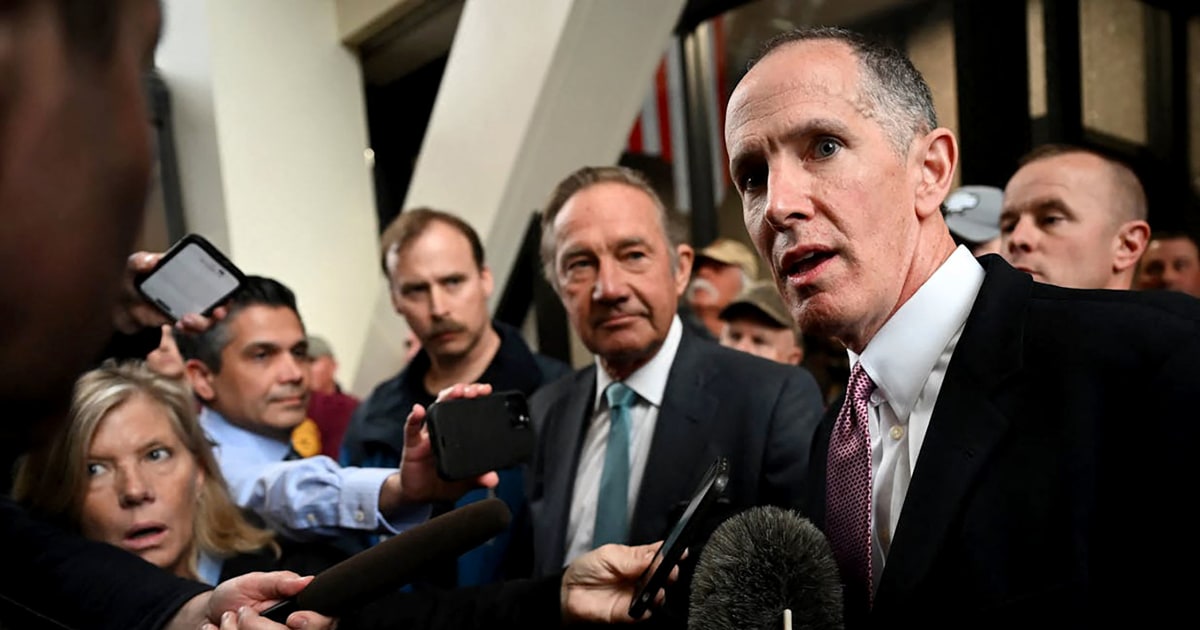
In 2023, the U.S. Department of Transportation (DOT) announced a historic $140 million civil penalty against Southwest Airlines, the largest ever for consumer protection violations. This settlement came after Southwest failed to meet obligations to reimburse passengers for canceled flights, delays, and related expenses. The penalty complements over $600 million in refunds Southwest was required to provide to affected travelers, ensuring passengers received compensation for meals, hotels, and alternative transportation.
Lessons and Future Improvements
Southwest has since committed to addressing the root causes, including inadequate winter operations infrastructure and overwhelmed scheduling systems. The airline’s experience highlights the critical need for robust contingency planning and real-time communication to protect passengers during extreme weather events and operational challenges.
About the Organizations Mentioned
Department of Transportation
The United States Department of Transportation (DOT) is a cabinet-level federal agency established in 1966 and operational from 1967, tasked with developing and coordinating national transportation policies to ensure a safe, efficient, and modern transportation system[1][2][3]. Its mission is to enhance mobility, safety, and economic competitiveness by overseeing aviation, highways, railroads, maritime transport, and pipeline systems across the country[2][4]. Historically, the DOT consolidated 31 separate federal transportation functions under one department to streamline policy development and program administration[2]. Before its formation, transportation responsibilities were scattered, with the Under Secretary of Commerce for Transportation managing many functions[1]. The department includes ten major operating administrations, such as the Federal Aviation Administration (FAA), Federal Highway Administration (FHWA), Federal Railroad Administration (FRA), and National Highway Traffic Safety Administration (NHTSA), each focusing on specific transportation modes and regulatory frameworks[1][7]. Key achievements include the implementation of the Bipartisan Infrastructure Law (2021), which enabled over 40 new programs addressing infrastructure modernization nationwide, from urban transit improvements to rural and Tribal region projects[5]. Under Secretary Pete Buttigieg’s leadership (2021–2025), the DOT expanded airline passenger rights, enhanced rail safety regulations following major derailments, and advanced national strategies to reduce roadway deaths, contributing to declining fatality rates[5]. The Department also played a crucial role in stabilizing supply chains during pandemic disruptions and increasing air traffic controller staffing to reduce cancellations[5]. Currently, the DOT manages a $117 billion budget (FY 2024) and continues to lead innovation in transportation technology, safety, and infrastructure resilience[4]. Its broad mandate includes fostering collaboration among federal, state, tribal, and local governments to achieve national transportation goals while considering environmental and defense priorities[1][2]. The DOT remains pivotal in shaping the future of US transportation, integrating advanced research, emerging technologies, and sustainability objectives[
Southwest Airlines
Southwest Airlines, founded in 1966 by Herb Kelleher and Rollin King and incorporated in 1967 as Air Southwest Co., began operations in 1971 with three Boeing 737 aircraft serving three Texas cities: Houston, Dallas, and San Antonio[1][3][4]. It was established to provide low-cost, no-frills air travel, pioneering a business model focused on efficiency, customer service, and cost control that revolutionized the airline industry[1][6]. The airline’s early years were marked by fierce legal battles and competition, yet by 1973, Southwest posted its first profit and rapidly grew its passenger base while driving down costs[2]. Southwest was the first major airline to offer ticketless travel in 1994 and launched one of the earliest airline websites in 1995, embracing technology early to improve customer convenience[1]. It expanded beyond Texas steadily, topping domestic passenger rankings in 2003, and extended service internationally starting in 2014 with flights to the Bahamas, Jamaica, and Aruba, later adding Hawaii in 2019[1]. Southwest Airlines is notable for its strong corporate culture emphasizing employee-first policies and a fun, customer-friendly atmosphere. This culture, shaped by founders Kelleher and King, has fostered high employee engagement and loyalty over decades[3][6]. The airline’s strategy of operating a single aircraft type, the Boeing 737, has enhanced operational efficiency and cost savings, a key to its long-term success[1]. Currently, Southwest operates over 4,000 daily flights, employs more than 72,000 people, and trades publicly on the NYSE under the symbol "LUV," having paid 185 consecutive quarterly dividends as of 2025[1]. It remains a major player in U.S. domestic and international air travel, known for its low fares, operational reliability, and innovative use of technology in customer service[1][6][9]. Southwest’s combination of visionary leadership