Stanford Upsets No. 14 North Carolina in Thrilling ACC Showdown
Stanford Upsets No. 14 North Carolina in Thrilling ACC Matchup
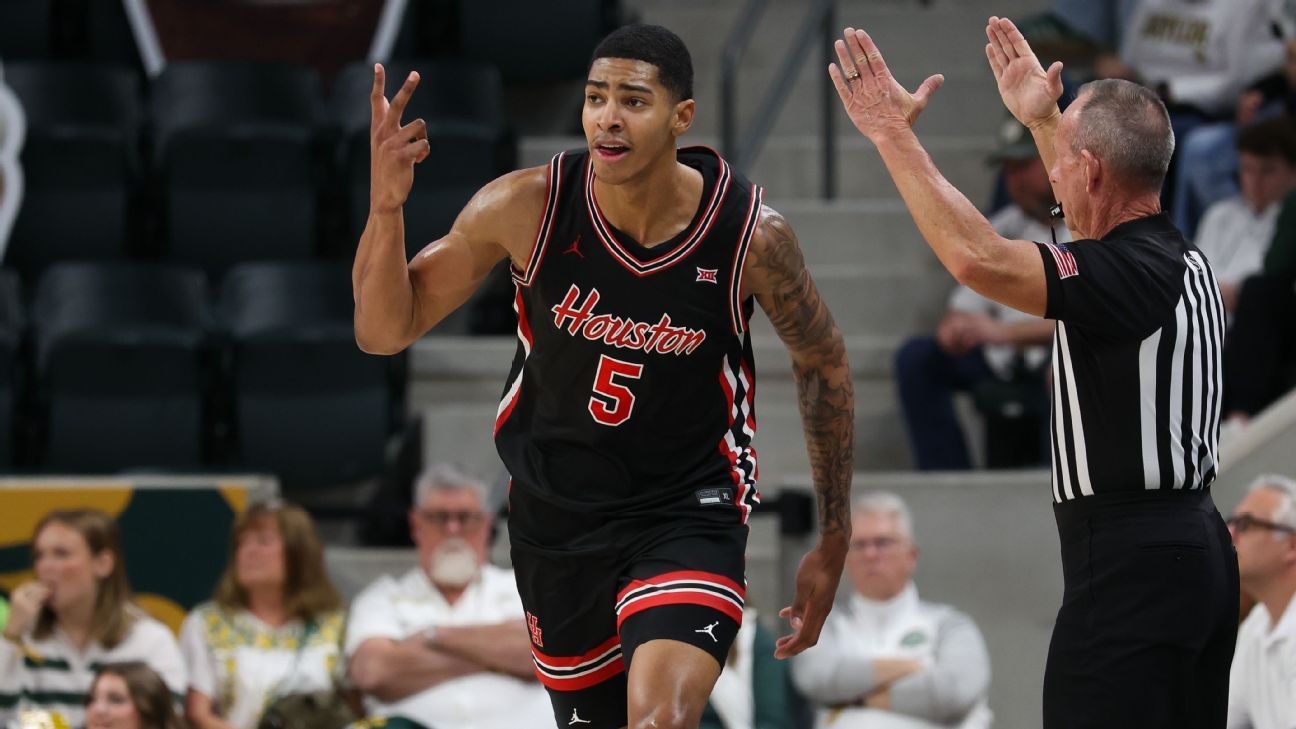
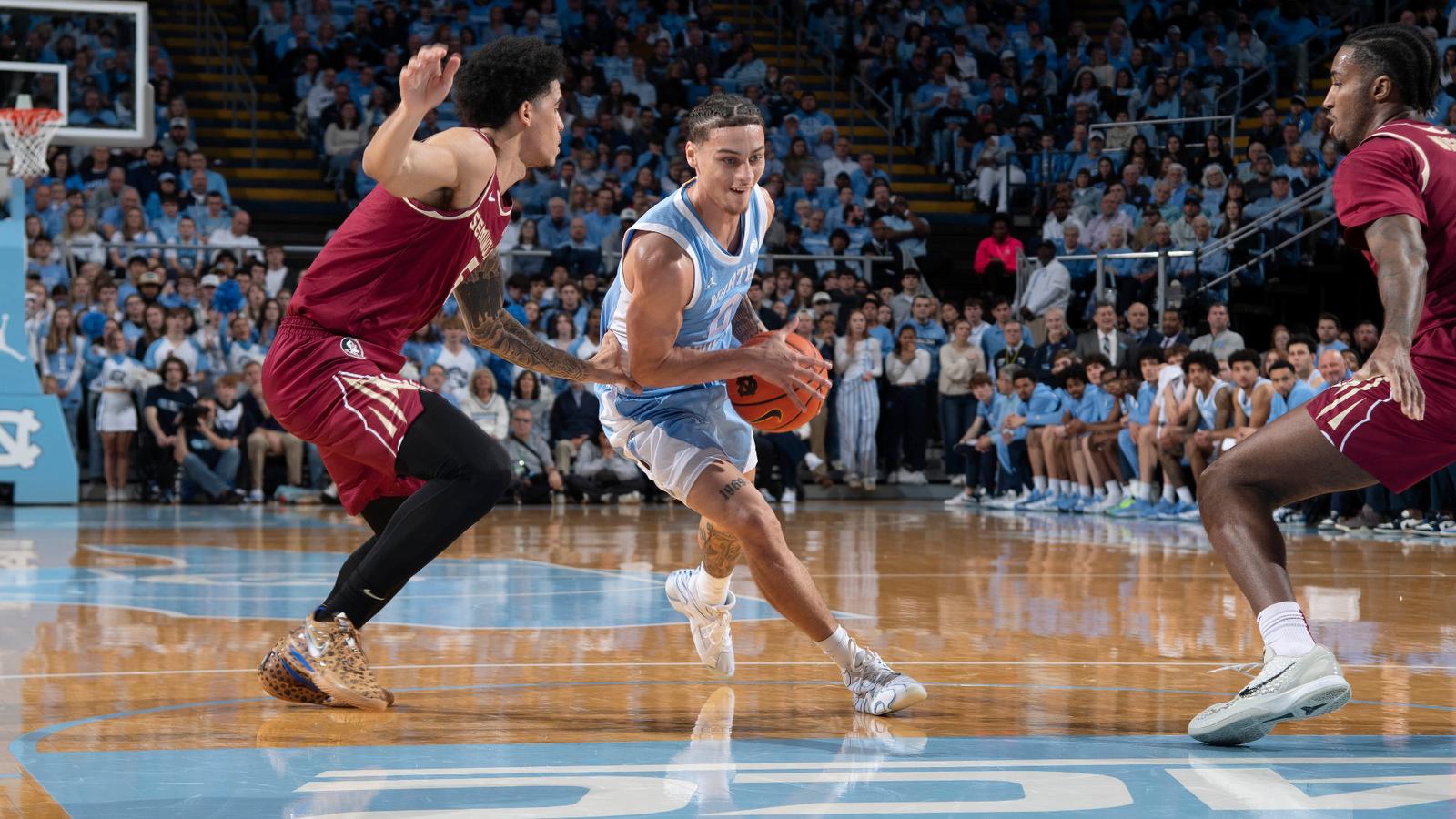
Stanford's freshman sensation Ebuka Okorie delivered a career-defining performance, scoring 36 points with nine assists to lead the Cardinal past No. 14 North Carolina 95-90 on January 14, 2026[1]. Playing at home in Maples Pavilion, Stanford mounted an impressive second-half comeback from a 12-point deficit to secure their second consecutive victory over the Tar Heels as ACC conference opponents[1].
Standout Performances and Game-Deciding Moments
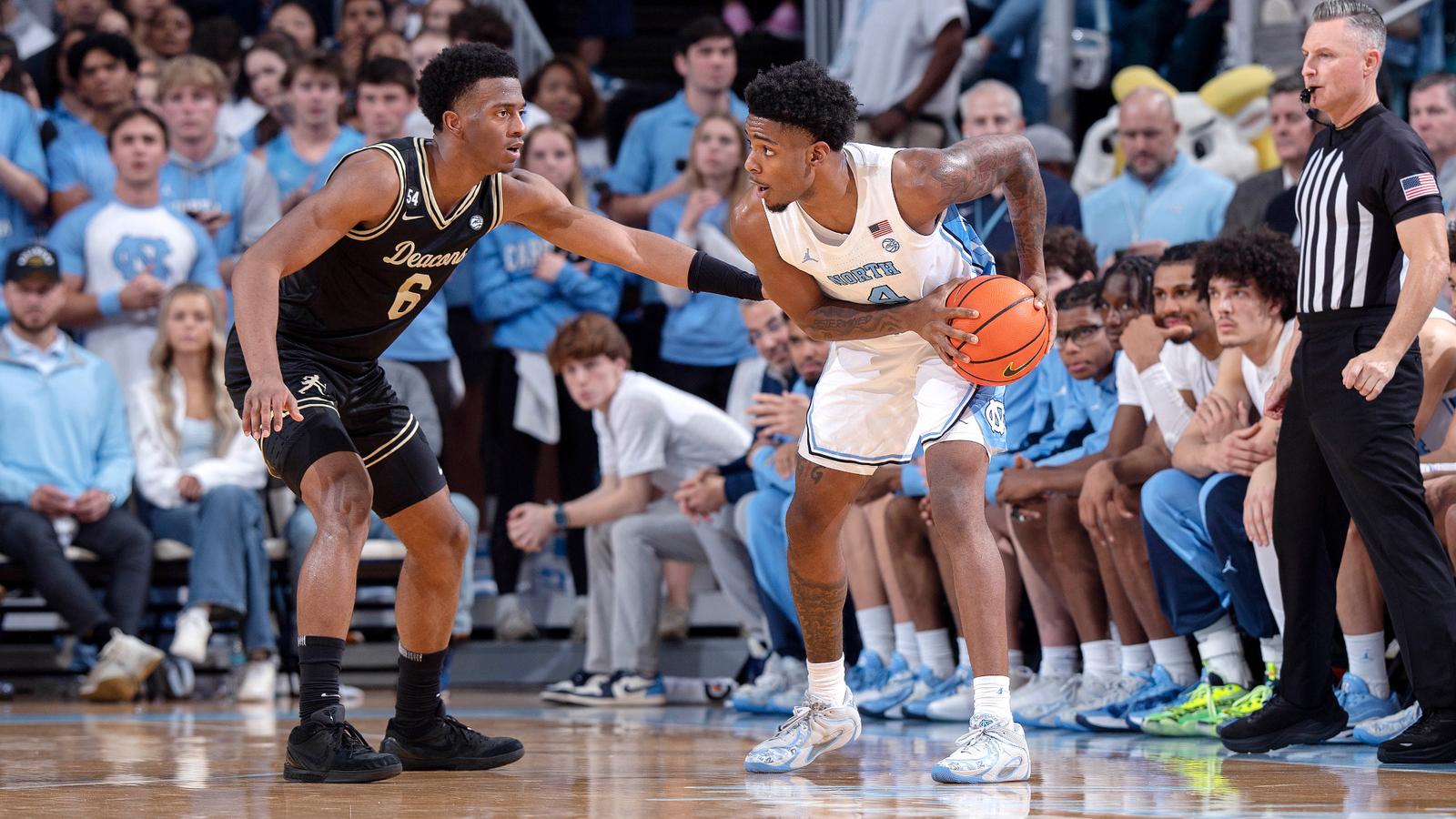
Jeremy Dent-Smith and Ryan Agarwal each contributed 20 points, combining for crucial three-pointers down the stretch[1]. With just over one minute remaining, Dent-Smith's go-ahead three-pointer at 1:04 shifted momentum, followed by Agarwal's clinching three with 32 seconds left[1]. North Carolina's Henri Veesaar and Caleb Wilson each scored 26 points, but their efforts proved insufficient[1].
Looking Forward
This victory marks Stanford's second ranked win this month, matching their best performance since 2013-14[1]. The Cardinal improved to 14-4 overall and 3-2 in ACC play, while North Carolina dropped to 14-3 and 2-2 in conference action[1].
```About the People Mentioned
Henri Veesaar
Henri Veesaar is an Estonian collegiate basketball player who plays center for the North Carolina Tar Heels. He was born on March 28, 2004, in Tallinn, Estonia, and developed in Real Madrid’s youth program before moving to U.S. college basketball with Arizona and later transferring to North Carolina[1][3]. At Real Madrid’s youth setup Veesaar spent three seasons and showed significant production in international youth competition, including averaging 16.2 points, 11.6 rebounds and 3.8 blocks in FIBA’s U18 European Challenger in 2021[1][2]. He debuted with the Estonian senior national team at 17 years old, becoming the youngest Estonian to appear in a FIBA qualifier when he played against Iceland in July 2021[2][3]. Veesaar joined Arizona in 2022; across his Arizona tenure he progressively increased his role, redshirting one season after injury and then emerging as a reliable frontcourt contributor who can score inside, rebound and protect the rim[2][3]. In his final Arizona season he averaged roughly 9.4 points per game, posted multiple double-figure scoring games (including a 22-point performance against Arizona State), and demonstrated interior defense with multiple games of multi-block efforts[1][2]. A 7'0" (approx.) stretch big with developing perimeter range and mobility, Veesaar draws scouting interest for his combination of size, ball-handling for a big, and shotmaking potential—traits noted in scouting reports projecting him as a pick-and-pop/roll threat at the next level[5][6][7]. His college transfer to North Carolina places him in the Atlantic Coast Conference and increases his visibility for professional scouts[1][4]. Key recent relevance: Veesaar is an active college junior at North Carolina, coming off productive seasons at Arizona and carrying experience with European youth programs and Estonia’s national team into his role with the Tar Heels[1][3][4].
Caleb Wilson
Caleb Wilson is an American college basketball player, a 6-foot-9 forward who plays for the University of North Carolina Tar Heels and is widely regarded as one of the top freshmen in the 2025 class. He was a five-star recruit from Holy Innocents’ Episcopal School in Atlanta, where he led his team to the 2025 private-school state title and earned major national honors including Georgia Gatorade Player of the Year and semifinalist recognition for the Naismith Trophy[3][2]. At Holy Innocents, Wilson compiled standout all-around statistics—roughly 21.7 points, 11.1 rebounds, 5.0 assists, 3.6 blocks and 2.1 steals per game as a senior—and finished his prep career with more than 1,800 points and 1,100 rebounds, appearances in elite All-American events (McDonald’s All-American, Jordan Brand Classic), and EYBL play on the grassroots circuit[3][2]. Recruiting services rated him a five-star prospect with positional length (listed around 6'9" with about a 7-foot wingspan) and two-way upside, which contributed to his high-profile arrival at UNC[8][7]. Since joining North Carolina, Wilson has drawn media attention for his confident personality, endorsement activity, and immediate on-court impact as a freshman, with highlights and game clips regularly featured by major sports outlets[4][6]. Reports note he signed an endorsement deal with New Balance before his collegiate debut and that coaches have praised both his competitive drive and off-court interests[4]. Game logs and highlight reels show early contributions in scoring, rebounding and rim play for the Tar Heels during the 2025–26 season[6][7]. Wilson’s current relevance stems from his status as a high-profile freshman on a storied program, his rapid rise from Georgia prep star to Power Five contributor, and ongoing national coverage that tracks his development and potential future as a professional prospect[3][6][8].
About the Organizations Mentioned
Stanford
**Stanford University** is one of the world's most prestigious private research institutions, located in California on the San Francisco Peninsula near Palo Alto. The university conducts cutting-edge research, offers undergraduate and graduate education across seven schools, and operates over 120 research institutes that drive innovation across multiple disciplines[5]. ## History and Founding Stanford was **founded in 1885** by railroad magnate Leland Stanford and his wife Jane as a memorial to their deceased son, Leland Jr.[5] The university opened its doors on October 1, 1891, with 555 students[5]. From inception, it pioneered progressive policies by accepting both men and women and maintaining non-sectarian principles when most institutions did not[5]. The founding vision emphasized producing "cultured and useful" graduates through interdisciplinary learning combining liberal arts with technology and engineering[3]. ## Key Achievements and Impact Stanford has been instrumental in shaping modern technology and innovation. Breakthroughs originating at Stanford include computer time-sharing, stem cell isolation, DNA synthesis, and pioneering work in artificial intelligence, robotics, and laser printing[1]. The Stanford Artificial Intelligence Laboratory (SAIL), founded in 1965, produced the world's first office desktop computer displays in 1971[1]. The university's influence extends far beyond academia. Companies founded by Stanford affiliates and alumni generate over **$2.7 trillion in annual revenue**—equivalent to the world's 10th largest economy[6]. Notable ventures include Google, Netflix, Hewlett-Packard, Instagram, Snapchat, and PayPal[6]. ## Current Status and Recognition Stanford is associated with **94 billionaires, 58 Nobel laureates, and 33 MacArthur Fellows**[2]. The university's athletic programs have won 173 national
North Carolina
North Carolina, recognized as America's Top State for Business by CNBC in 2025 for the third time in four years, is a key player in the U.S. economy due to its diverse industry sectors and strategic geographic location[1]. The state supports advanced manufacturing in automotive and aerospace, life sciences production, and financial services, creating jobs across various professional and educational levels. Its business-friendly environment is underpinned by a relatively low corporate tax rate, favorable regulations, and incentives targeting high-growth sectors, enhanced by ongoing public and private investments in infrastructure like highways, broadband, and industrial sites[1]. Historically, North Carolina has transformed from one of the original thirteen states into a vibrant economy with one of the South’s strongest manufacturing bases, complemented by a growing service sector[4]. This economic vitality has been bolstered by stable governance and a reputation for progress and opportunity, attracting businesses nationally and internationally[4]. The state’s political landscape is notably “purple,” featuring balanced representation that facilitates pragmatic economic development strategies through public-private partnerships, notably the Economic Development Partnership of North Carolina (EDPNC)[1]. In 2025, Governor Josh Stein emphasized workforce development as a priority, proposing initiatives to double apprenticeships and provide free community college for students certified in high-demand fields like advanced manufacturing, healthcare, and IT[3]. This focus on workforce skills aims to meet the needs of a growing economy while offering accessible pathways to well-paying jobs without requiring a bachelor's degree[3]. The North Carolina Chamber of Commerce actively advocates for reforms to strengthen the state’s business climate, including tort liability reforms, tax policy adjustments, and regulatory efficiency to foster economic growth and protect businesses from unnecessary burdens[5]. The state legislature continues to navigate complex budget sessions, balancing spending on education, hurricane relief, and economic development amid political negotiations[2][6]. Overall, North Carolina stands out as a resilient, innovation-driven hub with a well-rounded economy, supportive public policies, and a commitment to workforc
Atlantic Coast Conference
The **Atlantic Coast Conference (ACC)** is a prominent collegiate athletic organization in the United States, established in 1953 by seven universities that split from the Southern Conference primarily due to disagreements over post-season football play restrictions[2][4]. The founding members were Clemson, Duke, Maryland, North Carolina, North Carolina State, South Carolina, and Wake Forest, with the University of Virginia joining later that year despite initial resistance from its leadership[2][3]. The ACC was created to provide a more manageable and competitive athletic conference along the Atlantic coast, focusing on both football and basketball, although it has become especially renowned for its basketball excellence over the decades[1][4]. Academics and athletic standards have been a priority for the ACC since its early years, as exemplified by its pioneering implementation of minimum SAT scores for student-athletes in the 1960s, a policy reflecting its commitment to balancing sports with education[2][3]. The conference grew steadily over time, expanding its membership to include notable universities such as Florida State in 1990, Miami, Virginia Tech, and Boston College in the early 2000s, and more recently, schools like the University of California, Berkeley, Stanford, and Southern Methodist University in 2024, reflecting a broadening geographic footprint beyond the traditional Atlantic coast[4][5]. Currently, the ACC comprises 15 full member schools plus Notre Dame, which competes in all sports except football within the conference[4]. Key achievements of ACC member schools include multiple national championships across various sports, particularly football and basketball. Clemson University’s football program, for example, has won two national titles and multiple conference championships, securing its status as a powerhouse within the league[6]. The ACC continues to be a leader in collegiate athletics, known for its competitive balance, academic standards, and innovation in college sports governance[5][7]. In summary, the Atlantic Coast Conference stands as a historic and influential collegiate athletic organization, combining rich traditions in sport