Supreme Court to Hear Case on Transgender Sports Bans
Introduction
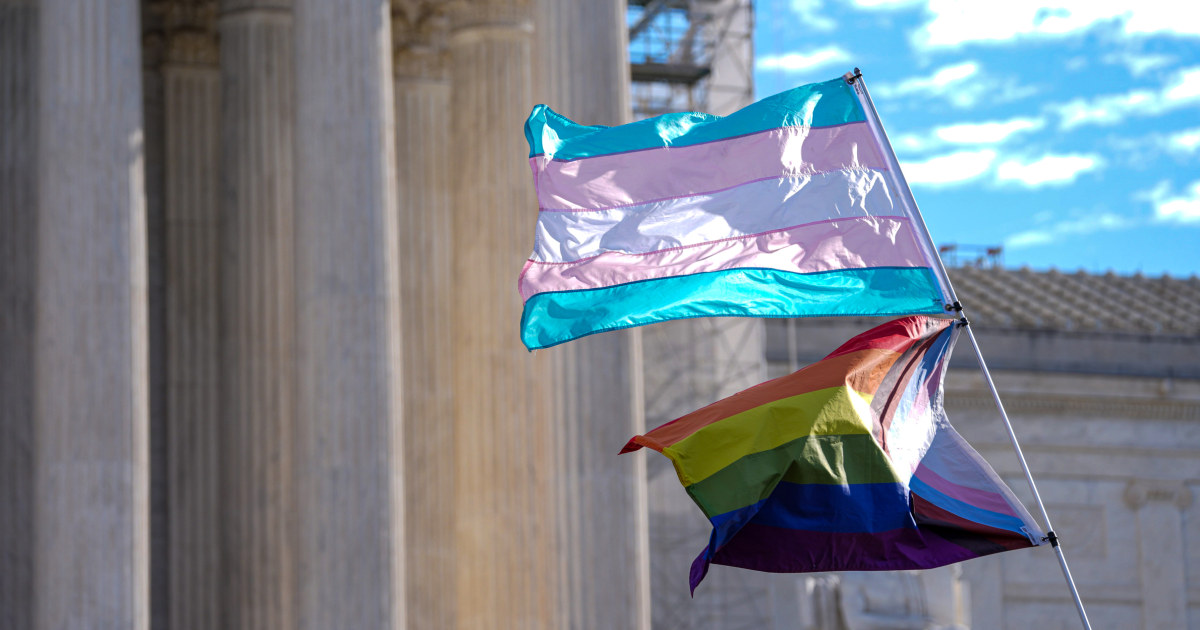
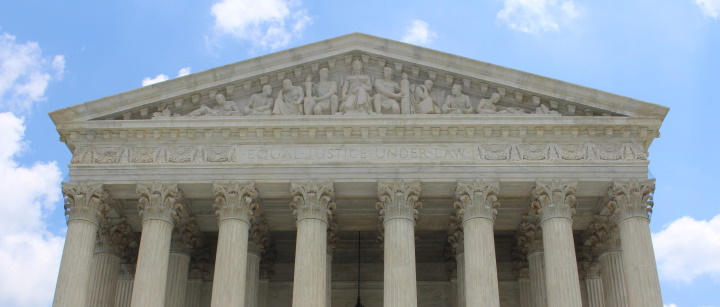
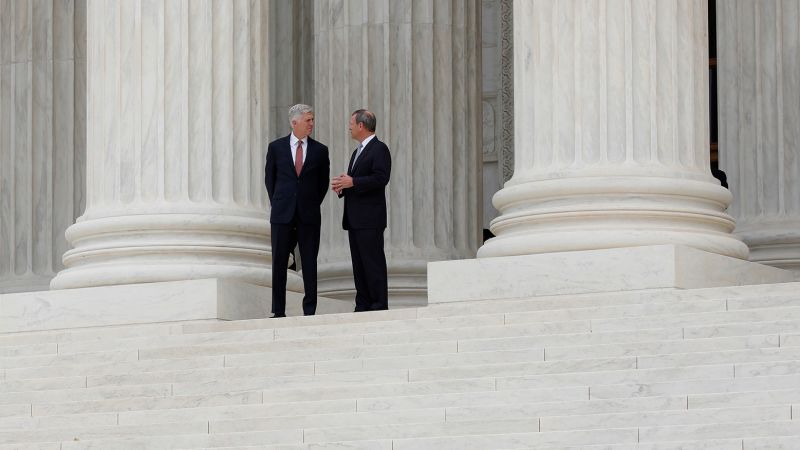
The Supreme Court's decision to hear the case on transgender sports bans has garnered a lot of attention in recent days. This highly controversial issue has the potential to impact the lives of many transgender individuals and has sparked a heated debate among legal experts and activists. One of the key factors in the final decision will be the stance of the two conservative justices, Roberts and Gorsuch. Their past decisions on LGBTQ rights have been closely scrutinized and are likely to play a critical role in the outcome of this case.
Background
The case in question involves a transgender student who was denied the opportunity to participate in school sports based on their gender identity. This is not the first time that the issue of transgender rights has come before the Supreme Court. In 2020, the Court ruled that federal civil rights law protects LGBTQ individuals from discrimination in the workplace. However, this case presents a new and complex challenge, as it specifically deals with the rights of transgender individuals in the realm of sports.
Current Scenario
The case is expected to be heard in the coming months, and all eyes will be on Justices Roberts and Gorsuch. Roberts, who has a reputation for being a moderate conservative, has previously voted in favor of LGBTQ rights in the workplace. However, his stance on transgender rights is still unclear, making his decision in this case all the more unpredictable. On the other hand, Gorsuch, who was appointed by former President Trump, has a track record of conservative decisions and has yet to rule on a case involving the LGBTQ community.
The outcome of this case could have far-reaching consequences and could potentially set a precedent for future cases involving transgender rights. It also raises important questions about fairness and inclusivity in sports. Supporters of transgender rights argue that excluding them from participating in sports based on their gender identity is discriminatory and goes against the core principles of fairness and equality. On the other hand, opponents argue that allowing transgender individuals to participate in sports based on their gender identity could create an unfair advantage and jeopardize the integrity of competition.
Conclusion
The Supreme Court's decision to hear this case will have a significant impact on the future of transgender rights in the United States. The stance of Justices Roberts and Gorsuch will be closely watched, as it could sway the final decision in either direction. As the case unfolds, the nation will be watching with bated breath to see how the highest court in the land will rule on this controversial and highly important issue.
About the People Mentioned
Neil Gorsuch
Neil McGill Gorsuch, born August 29, 1967, in Denver, Colorado, is an Associate Justice of the United States Supreme Court.[1][2][3] He earned a B.A. from Columbia University and a J.D. from Harvard Law School in 1991, followed by a D.Phil. in law from the University of Oxford in 2004, which informed his 2006 book *The Future of Assisted Suicide and Euthanasia*.[3][4][5] Gorsuch's early career included prestigious clerkships: for Judge David Sentelle on the U.S. Court of Appeals for the D.C. Circuit (1991-1992) and Supreme Court Justices Byron White and Anthony Kennedy (1993-1994).[1][2][4] From 1995 to 2005, he practiced law at Kellogg, Hansen, Todd, Figel & Frederick in Washington, D.C., specializing in litigation for corporate and white-collar clients.[2][3][6] In 2005-2006, he served as Principal Deputy Associate Attorney General at the U.S. Department of Justice under President George W. Bush.[1][7] In 2006, Bush nominated Gorsuch to the U.S. Court of Appeals for the Tenth Circuit, where he was unanimously confirmed and served until 2017, authoring over 200 opinions and earning a reputation as a "feeder judge" whose clerks often advanced to Supreme Court clerkships.[1][2][4] On February 1, 2017, President Donald Trump nominated him to replace the late Justice Antonin Scalia, whose seat had remained vacant after Senate Republicans blocked Merrick Garland's nomination.[1][3][6] After contentious hearings, Democrats' filibuster attempt prompted a rules change to allow confirmation by simple majority; Gorsuch was approved 54-45 on April 7 and sworn in on April 10, 2017, becoming the 101st Associate Justice.[1][2][9] Known as a constitutional originalist in the Scalia mold, Gorsuch remains a pivotal figure on the Court, contributing to major decisions on religious liberty, administrative law, and Second Amendment rights.[9] He is married to Louise with two daughters.[5][6]