Tariff Disruption to Reshape the Global Economy in 2026
How tariff disruption will continue reshaping the global economy in 2026
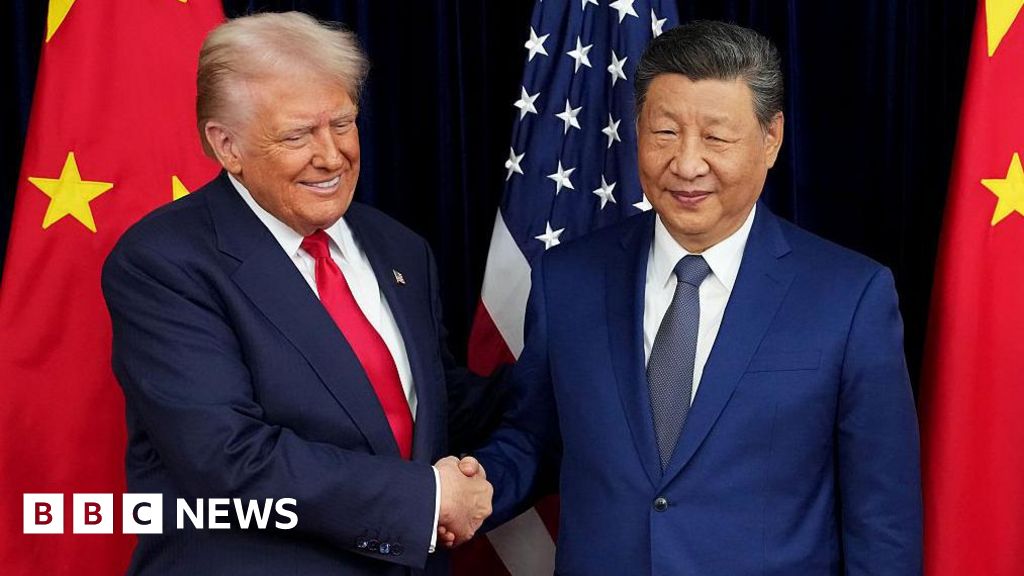
Tariff disruption is set to redefine the global economy in 2026 as higher import levies alter how, where, and why goods move across borders. Trump-era and subsequent tariffs on steel, autos, technology, and consumer products continue to redirect supply chains, encouraging some manufacturers to “friendshore” production while sidelining traditional low-cost exporters. For consumers, these shifts mean persistently higher prices and fewer ultra-cheap imports, even if headline inflation eases.
Trade patterns, winners, and losers
As companies reconfigure sourcing, ports, and logistics routes, global growth risks remaining below its pre-pandemic pace, with trade volumes expanding more slowly than services-driven sectors. Exporters heavily exposed to US demand face ongoing uncertainty, while emerging hubs in Mexico, Southeast Asia, and Eastern Europe benefit from nearshoring trends. At the same time, governments are increasingly using tariffs as negotiating tools, tying trade policy to national security, climate goals, and domestic industrial strategies.