World Cup 2026 Draw: What to Expect
World Cup 2026 Draw: What to Expect
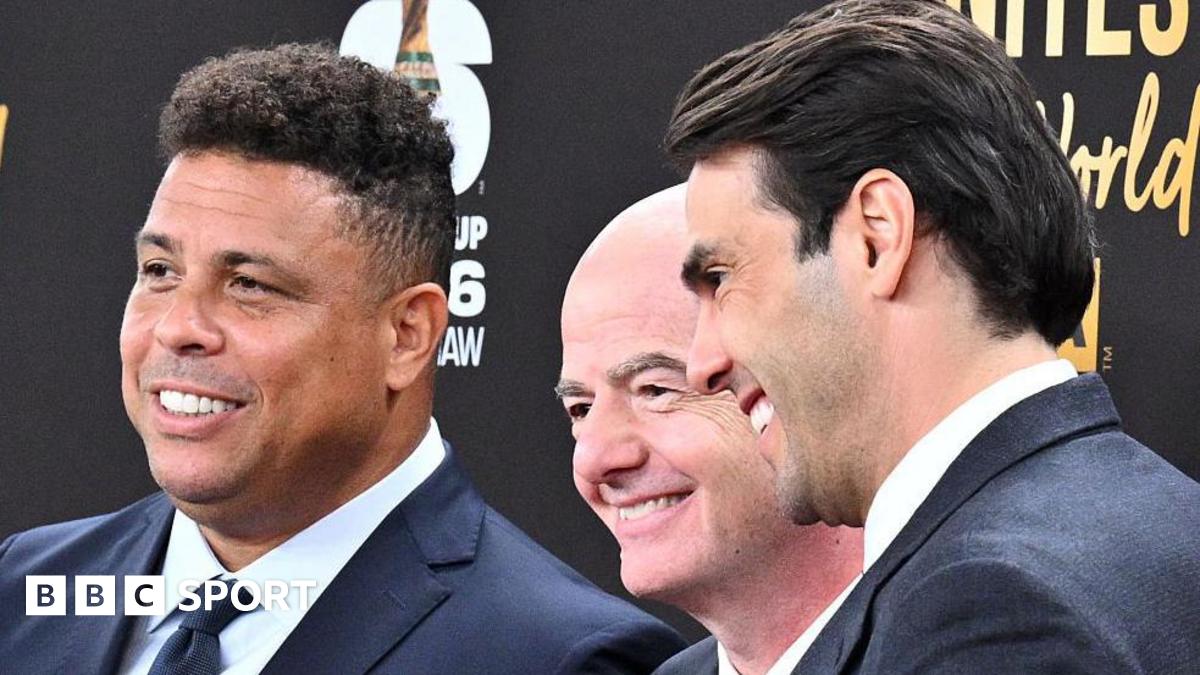
The highly anticipated World Cup 2026 draw took place at the John F. Kennedy Center in Washington, D.C., unveiling the group stage opponents for all 48 qualified teams, including England and Scotland. Fans worldwide tuned in to witness which nations would face each other in the expanded tournament, marking a historic moment for football.
Live Coverage and Updates
BBC provided comprehensive live text updates and TV streaming coverage, ensuring viewers stayed informed throughout the draw event. The excitement built as key matchups emerged, with England and Scotland eager to discover their group rivals and plan their strategies ahead of the competition in June 2026.
Looking Ahead to the Group Stage
The 2026 World Cup group stage kicks off in early June, featuring a new format with 16 groups of three teams each. This structure promises more intense and unpredictable matches, raising anticipation for fans and players alike as the tournament approaches.
About the Organizations Mentioned
John F. Kennedy Center
The John F. Kennedy Center for the Performing Arts, commonly known as the Kennedy Center, is the United States’ national cultural center and a living memorial to President John F. Kennedy. Located on 17 acres along the Potomac River in Washington, D.C., it opened in 1971 after being authorized by Congress in 1964 as a tribute to the 35th president. Envisioned as a complement to the nation’s democratic ideals, the Kennedy Center presents a year-round program of theater, dance, classical and contemporary music, opera, jazz, comedy, and more, positioning itself as a premier destination for the performing arts. A key achievement is its role as the official home of the National Symphony Orchestra and the Washington National Opera, while also serving as a national leader in arts education and accessibility. The Center is the only U.S. institution that offers a free performance every day of the year at 6 p.m. on its Millennium Stage, part of its “Performing Arts for Everyone” initiative. It has co-produced over 150 new works and expanded education programs to reach millions nationwide through residencies, master classes, and teacher workshops. In recent years, the Kennedy Center has embraced digital transformation, live-streaming performances and expanding its online presence to reach global audiences. The 2019 opening of The REACH—a 70,000-square-foot expansion—created a dynamic, immersive learning and performance space, reinforcing its 21st-century mission of inclusivity, interactivity, and innovation. With multiple venues, including the 2,460-seat Concert Hall and the intimate Millennium Stage, the Kennedy Center remains one of the busiest arts facilities in the world, blending cultural stewardship with modern engagement strategies.
BBC
## Overview The British Broadcasting Corporation (BBC) is the world’s oldest and largest national broadcaster, serving as a cornerstone of public service media in the United Kingdom and beyond[1][2]. Headquartered in London, the BBC operates under a royal charter and is primarily funded by a television licence fee paid by UK households, ensuring its editorial independence from both government and commercial interests[1][2]. This model allows the BBC to fulfill its mission to “inform, educate, and entertain” with impartiality at its core[3]. ## History and Evolution The BBC was founded on October 18, 1922, as the British Broadcasting Company Ltd., evolving into a public corporation under royal charter on January 1, 1927[1][2]. Its first Director-General, John Reith, established principles of independence and public service that continue to guide the organization. The BBC launched its television service in 1936, pioneering broadcasting technology, and expanded globally with the BBC World Service in 1932, now broadcasting in 28 languages[1][2]. ## Key Achievements The BBC has been a trailblazer in broadcasting, introducing innovations such as regular television broadcasts, color TV, and digital platforms like BBC iPlayer[1][2]. It has earned a reputation for high-quality journalism, producing globally recognized programs in news, drama, and documentary. The BBC’s international arm, BBC Studios, commercializes content worldwide, while the BBC World Service remains a vital source of news in regions with limited press freedom[1]. The corporation has received numerous accolades, including the Queen’s Award for Enterprise for its international business achievements[1]. ## Current Status and Digital Transformation With over 21,000 employees, the BBC remains a dominant force in media, generating £5.4 billion in annual income, mostly from licence fees[2]. It operates multiple TV channels, radio stations, and a robust online presence, including BBC News Online and BBC.com[1