Xenoblade Chronicles Games Ranked: Best to Worst
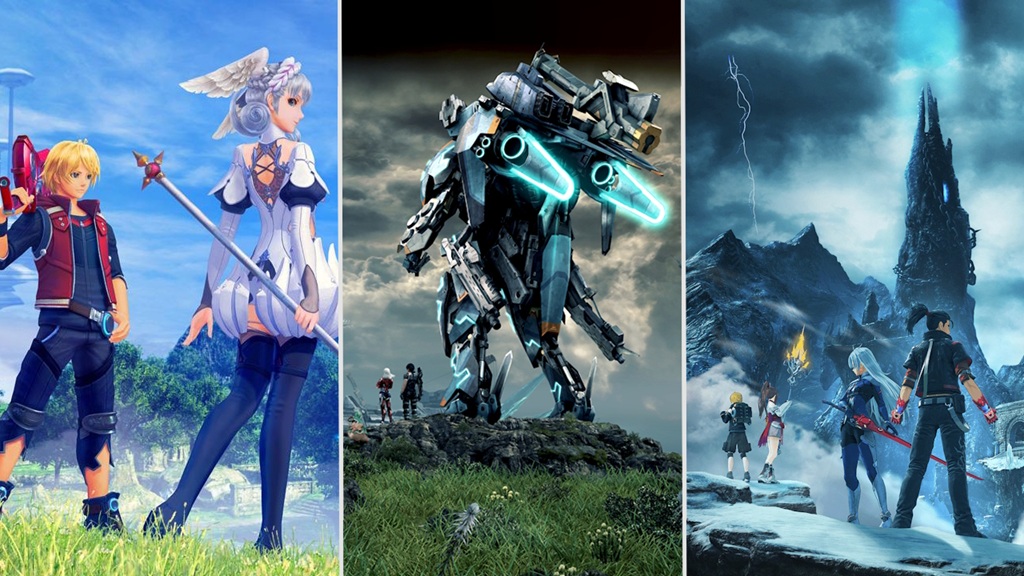
Ranking the Xenoblade Chronicles Games, Best to Worst
Ranking the Xenoblade Chronicles series is no easy feat, as each entry delivers epic storytelling, innovative combat, and vast worlds from Monolith Soft. From heartfelt narratives to sprawling exploration, these Nintendo gems spark endless debate among fans. Today, we dive into our definitive list, weighing strengths like character depth, technical polish, and replayability.[2][4]
Top Contenders: 3 and Definitive Edition
At number one, Xenoblade Chronicles 3 stands tall with its cinematic storytelling, blending worlds from prior games into an emotional finale. Stunning visuals, refined combat fusing series bests, and a powerhouse cast make it unforgettable.[3][5] Nipping at its heels, Xenoblade Chronicles: Definitive Edition revives the Wii classic with enhanced graphics, expressive characters, and a stellar soundtrack remix, proving timeless appeal.[2][4]
Mid-Tier Marvels and Solid Entries
Xenoblade Chronicles 2 captivates with its slow-burn narrative and blade mechanics, though combat challenges some players; its Torna prequel adds lore depth.[3][5] Xenoblade Chronicles X: Definitive Edition shines in open-world action and exploration, prioritizing gameplay over story.[1][2] Future Connected, a charming epilogue, rounds out the pack as a bonus delight.[2]
About the Organizations Mentioned
Monolith Soft
**Monolith Soft** is a Japanese video game development studio renowned for creating acclaimed RPGs and assisting with major Nintendo franchises. The company has evolved from an independent startup into one of Nintendo's most valued first-party developers. ## History and Founding **Monolith Soft was founded on October 1, 1999**[2][4] by former Squaresoft employees, including producer Hirohide Sugiura and legendary RPG director Tetsuya Takahashi, who had directed the acclaimed PlayStation game *Xenogears*[5]. After Squaresoft rejected further development of Takahashi's vision, the founders sought backing from Namco, whose founder Masaya Nakamura shared their creative ideals[5]. ## The Namco Era (1999-2007) Under Namco's investment, Monolith Soft's debut project was *Xenosaga Episode I* (2002), a spiritual successor to *Xenogears*[5]. The studio also developed *Baten Kaitos* (2003) for Nintendo GameCube and *Namco x Capcom*, establishing itself as a premier RPG developer[4]. However, creative tensions emerged as Bandai Namco—following its merger with Namco—became reluctant to take creative risks[5]. ## Nintendo Partnership (2007-Present) A turning point came when Nintendo acquired an 80% stake in Monolith Soft on April 28, 2007[2], with Namco Bandai retaining 16%[2]. This partnership restored creative freedom and proved transformative. The studio developed the critically acclaimed *Xenoblade Chronicles* series and expanded into supporting major Nintendo franchises including *The Legend of Zelda: Skywar
Nintendo
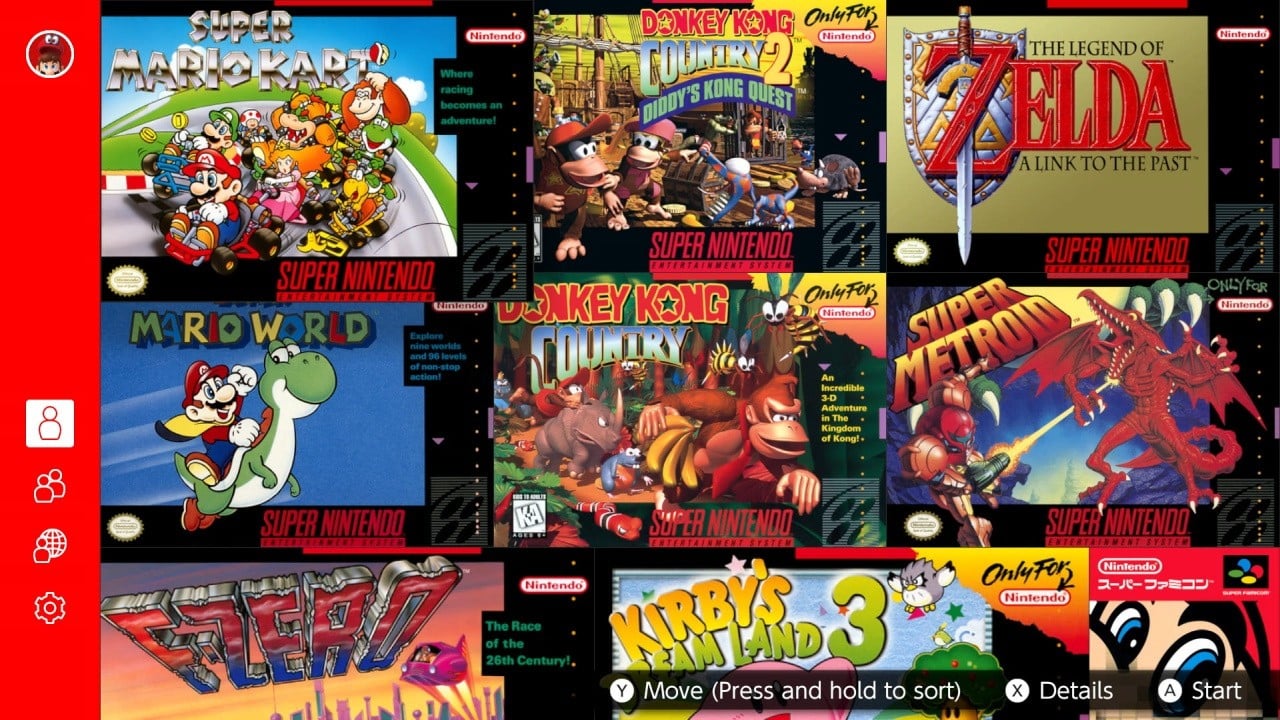
Nintendo, founded in 1889 by Fusajiro Yamauchi in Kyoto, Japan, began as a manufacturer of handmade Hanafuda playing cards. Over the following decades, it became Japan's largest playing card company and expanded into various entertainment sectors under the leadership of Hiroshi Yamauchi from 1949, marking a pivotal shift toward electronic games and toys[1][2][3]. In the 1970s and 1980s, Nintendo transitioned into video game development with arcade hits like *Donkey Kong* (1981), designed by Shigeru Miyamoto, which introduced the iconic character Mario and established Nintendo's international presence[2][6]. The release of the Nintendo Entertainment System (NES) in 1985 was a critical milestone, revitalizing the video game industry after the 1983 crash and setting standards with innovative titles such as *Super Mario Bros.* and *The Legend of Zelda*[2][3]. Nintendo continued to innovate with handheld systems like the Game Boy (1989) and advanced consoles including Super Nintendo (1990), Nintendo 64, GameCube, Wii, and more recently, the Nintendo Switch family, which blends portable and home gaming[3][7]. The company’s portfolio features globally recognized franchises—Mario, Zelda, Pokémon, and Metroid—that have become cornerstones of interactive entertainment[7]. Today, Nintendo is a leading multinational video game developer and publisher, with subsidiaries worldwide including Nintendo of America and Nintendo Australia. It remains committed to creating "smiles" through unique gaming experiences that blend creativity, technology, and accessibility[6]. Nintendo has sold over 5 billion games and nearly 780 million hardware units globally, cementing its role as a dominant and influential player in the business and technology sectors[4]. Notable aspects of Nintendo include its pioneering spirit in both hardware innovation and software creativity, its cultural impact through iconic characters, and its adaptability from a traditional playing card company to a global entertainment powerhouse. Thi








:max_bytes(150000):strip_icc()/Ricky-Martin-2025-MTV-Video-Music-Awards-Bad-Bunny-68th-GRAMMY-Awards-2026-020326-27c5f291398d42baabb7b0e35b62ae81.jpg)