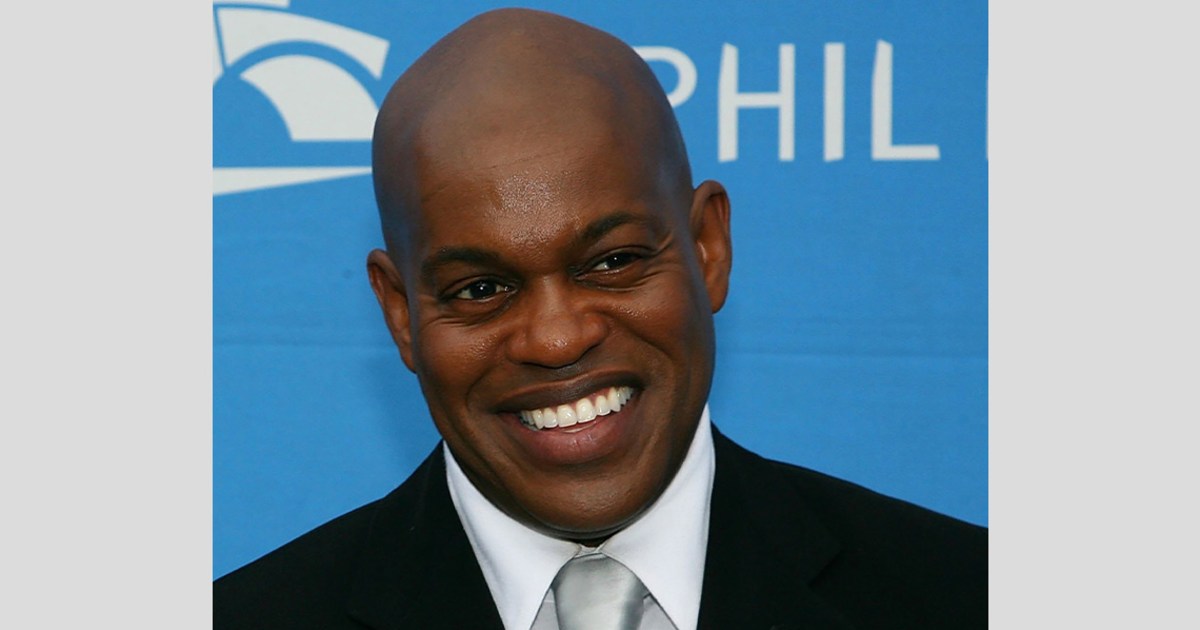
Tragic Loss of Opera Star Jubilant Sykes
#opera #tragedy #music #legacy #santa_monica
Opera star Jubilant Sykes is fatally stabbed in Santa Monica, prompting investigation as the classical world mourns.

Carnegie Hall, opened in 1891 in New York City, is one of the world’s most prestigious music venues, renowned for its unparalleled acoustics and historic cultural significance. Founded through the philanthropy of steel magnate Andrew Carnegie, inspired by his wife Louise and conductor Walter Damrosch, the Hall was conceived as a premier home for music in the city. Designed by architect William Burnet Tuthill, it originally housed three concert spaces, including the large main hall seating 2,800 people, a recital hall, and a chamber music hall[1][2][6]. Over its 130-plus years, Carnegie Hall has hosted an illustrious roster of the world’s finest musicians across genres—from classical legends like Tchaikovsky, Dvořák, and Mahler to jazz icons Billie Holiday and Louis Armstrong, to popular music stars such as The Beatles. It has also been a stage for notable speakers and cultural figures, including Dr. Martin Luther King Jr.[1][3][8]. Despite challenges including financial pressures and the threat of demolition in the mid-20th century, the Hall was saved by public support and legislation. In 1960, New York City purchased the building for $5 million, establishing the Carnegie Hall Corporation as a nonprofit to preserve its mission and maintain its operations[2][7]. Today, Carnegie Hall stands as a national historic landmark and a vibrant cultural institution. It continues to present a diverse array of performances and educational programs. Its reputation as an aspirational venue endures, symbolizing excellence and innovation in music and the arts. Renovations over the years, including the addition of the Zankel Hall in 2003, have modernized the facility while preserving its historic charm[7][8]. Carnegie Hall’s blend of historic legacy, architectural distinction, and ongoing artistic leadership make it a cornerstone of New York’s cultural and business landscape, reflecting the intersection of philanthropy, culture, and urban developmen
#opera #tragedy #music #legacy #santa_monica
Opera star Jubilant Sykes is fatally stabbed in Santa Monica, prompting investigation as the classical world mourns.
#jubilant_sykes #music #tragedy #classical #opera
Tragic death of Jubilant Sykes, Grammy-nominated baritone, celebrates a career blending classical, gospel, and jazz.