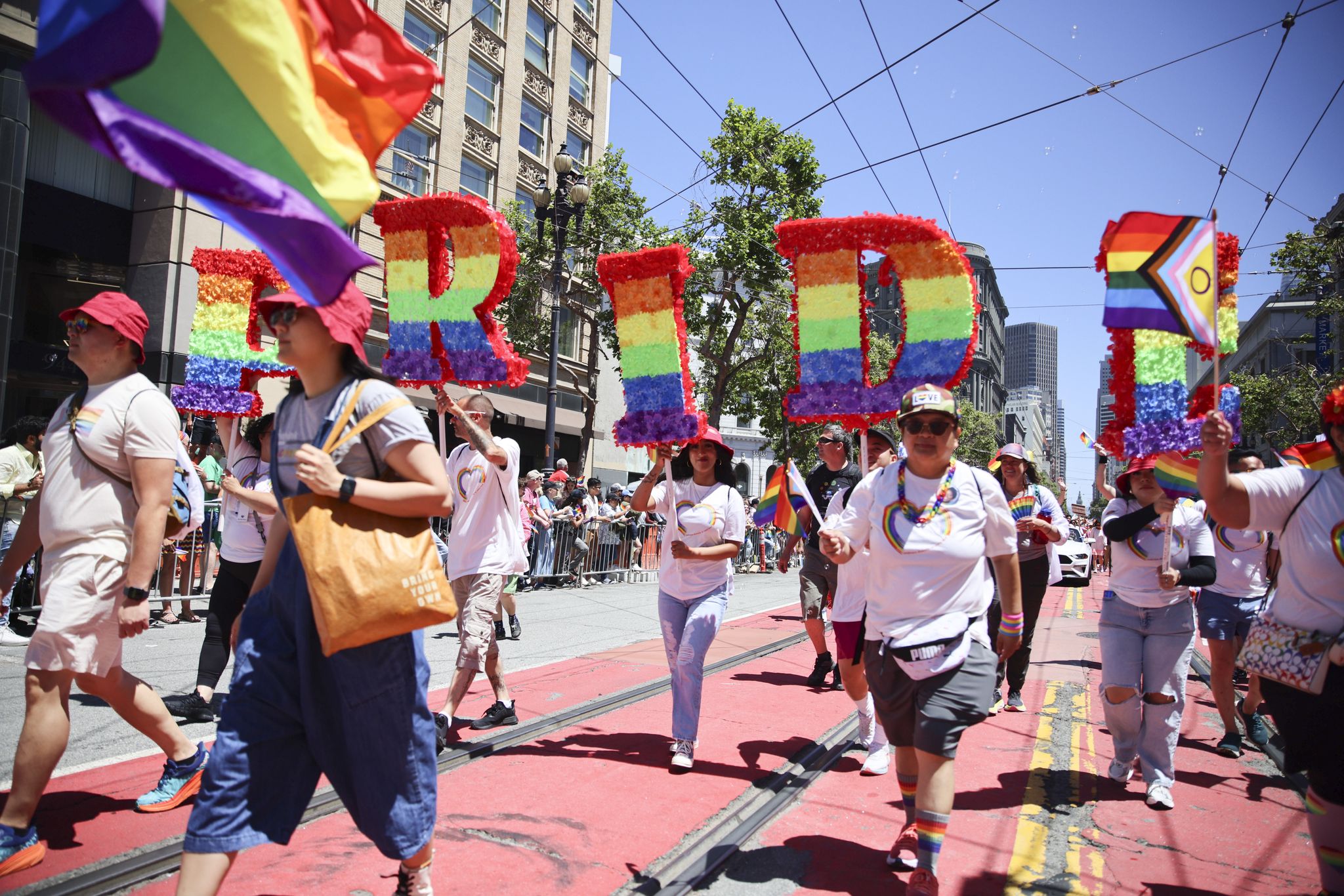
The term **LGBTQ+** refers broadly to a diverse community encompassing lesbian, gay, bisexual, transgender, queer/questioning, and other sexual and gender minorities. It is not a single organization but rather represents a global movement and network of organizations advocating for the civil rights, social acceptance, and equality of these groups.
The modern **LGBTQ+ rights movement** began in earnest with early homophile organizations like the **Mattachine Society**, founded in 1950 by Harry Hay in Los Angeles, which was among the first groups advocating for LGBTQ+ social and political rights in the U.S.[1][3][5]. The movement gained transformative momentum after the **Stonewall riots in 1969** in New York City, a spontaneous uprising against police raids on a gay bar that sparked widespread activism and led to annual Pride marches worldwide[1][4][5].
Following Stonewall, numerous organizations emerged, including the **National LGBTQ Task Force**, founded in 1973 in New York City as the first national LGBTQ rights organization in the United States, playing a pivotal role in unifying advocacy efforts[2]. Other notable groups include the **Daughters of Bilitis**, the first lesbian organization (1955), and more recent groups focusing on intersectionality, transgender rights, and youth support such as **Street Transvestite Action Revolutionaries (STAR)** founded in 1970[5][6].
Key achievements of the LGBTQ+ movement include legal reforms advancing marriage equality, anti-discrimination protections, and recognition of transgender rights, as well as cultural milestones such as the establishment of the first LGBTQ National Monument at Stonewall in 2016[4]. The movement has also fostered a vibrant culture of **LGBTQ+ pride**, visibility, and political representation, influencing business diversity initiatives and technology sectors by promoting inclusivity and equitable workplace policies.
Currently, the LGBTQ+ movement continues to evolve, emphasizing **intersectionality, global human rights, and digital activis