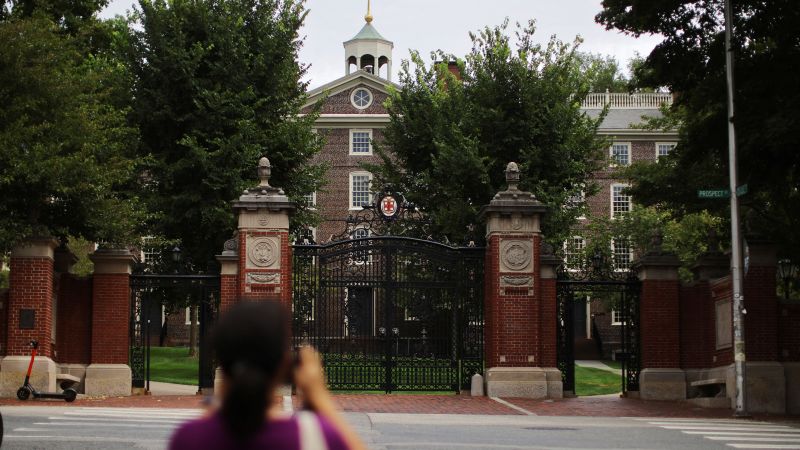
The Massachusetts Institute of Technology (MIT) is a globally renowned private research university in Cambridge, Massachusetts, celebrated for its leadership in science, technology, and innovation[2][9]. Founded in 1861 by William Barton Rogers and opened in 1865, MIT was established to foster “useful knowledge” in response to the industrializing United States, emphasizing laboratory instruction and applied science[2][9]. Originally located in Boston, MIT moved to its current Cambridge campus along the Charles River in 1916, where it has grown into a sprawling academic and research hub[2][9].
MIT is organized into five schools—Architecture and Planning; Engineering; Humanities, Arts, and Social Sciences; Management (Sloan School); and Science—plus the Schwarzman College of Computing[3]. Its motto, “Mens et Manus” (“Mind and Hand”), underscores its commitment to blending theory with practical application[3]. The university boasts approximately 1,000 faculty and over 11,000 students, with undergraduate and graduate programs known for their rigor and interdisciplinary approach[3][8]. MIT’s educational philosophy emphasizes problem-solving and critical thinking, preparing students to tackle complex global challenges[5].
Historically, MIT has been a crucible for technological breakthroughs, including the development of radar, magnetic core memory, and foundational work in artificial intelligence[2][3]. During World War II, MIT’s Radiation Laboratory was central to Allied radar research, cementing the institute’s role in national defense and big science[2][9]. Post-war, MIT expanded its research footprint in computing, aerospace, and engineering, while also nurturing a strong entrepreneurial culture—alumni have founded or co-founded companies like Intel, Dropbox, and Bose[2].
Today, MIT is not only a top-ranked university (consistently #1 in QS World University Rankings for technology and engineering)[3], but also a vibrant ecosystem for innovation, with 65 research centers and collaborations with