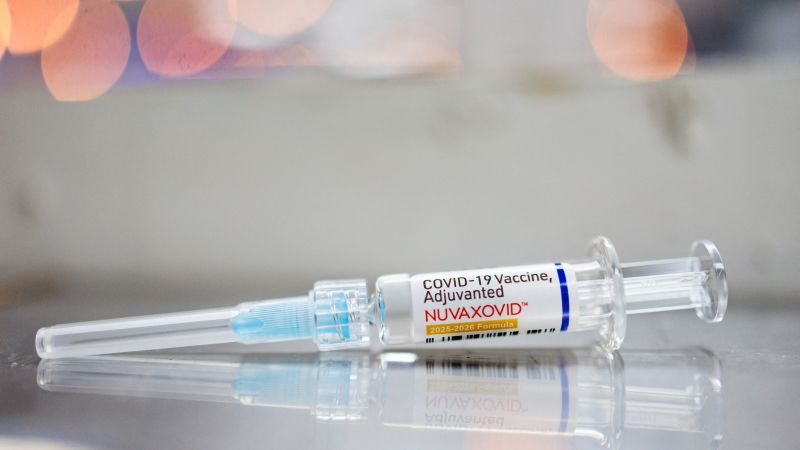
Free COVID-19 Vaccines Remain Widely Accessible Under ACA
#vaccines #covid19 #public_health #affordable_care_act #healthcare
Most Americans can still get COVID-19 vaccines at no out-of-pocket cost thanks to ACA coverage and related programs.
Medicaid is a vital public health insurance program in the United States, designed to provide comprehensive health coverage to low-income individuals and families. Established in 1965, Medicaid is jointly funded by the federal government and each state, allowing states flexibility in designing their programs within broad federal guidelines[1][8]. ### What Medicaid Does Medicaid offers health and long-term care services to over 90 million low-income Americans, including children, pregnant women, seniors, and people with disabilities[2][5]. It is crucial for state budgets, accounting for a significant portion of healthcare spending and long-term care costs[2]. ### History and Key Achievements Since its inception, Medicaid has expanded to cover more populations, notably through the Affordable Care Act (ACA) in 2010. By June 2025, 40 states plus the District of Columbia had implemented the ACA's Medicaid expansion, significantly increasing coverage for low-income individuals[1]. Medicaid has also been instrumental in reducing mortality rates and hospitalizations among its enrollees[4]. ### Current Status Recent changes, such as the 2025 budget reconciliation bill, have introduced new work requirements for certain enrollees and reduced federal spending on Medicaid[3][4]. These changes are projected to decrease federal Medicaid spending and enrollment numbers over the next decade[2][4]. ### Notable Aspects - **Flexibility and Variation**: States have considerable autonomy in designing their Medicaid programs, leading to diverse coverage and benefits across the country[1][2]. - **Impact on Healthcare**: Medicaid plays a critical role in healthcare access for vulnerable populations and is a significant component of state healthcare systems[5]. - **Economic Impact**: Changes to Medicaid can have substantial economic implications, affecting both healthcare providers and local economies[4]. Overall, Medicaid remains a cornerstone of healthcare access for millions of Americans, with ongoing policy changes continuing to shape its role in the U.S. healthcare system.
#vaccines #covid19 #public_health #affordable_care_act #healthcare
Most Americans can still get COVID-19 vaccines at no out-of-pocket cost thanks to ACA coverage and related programs.