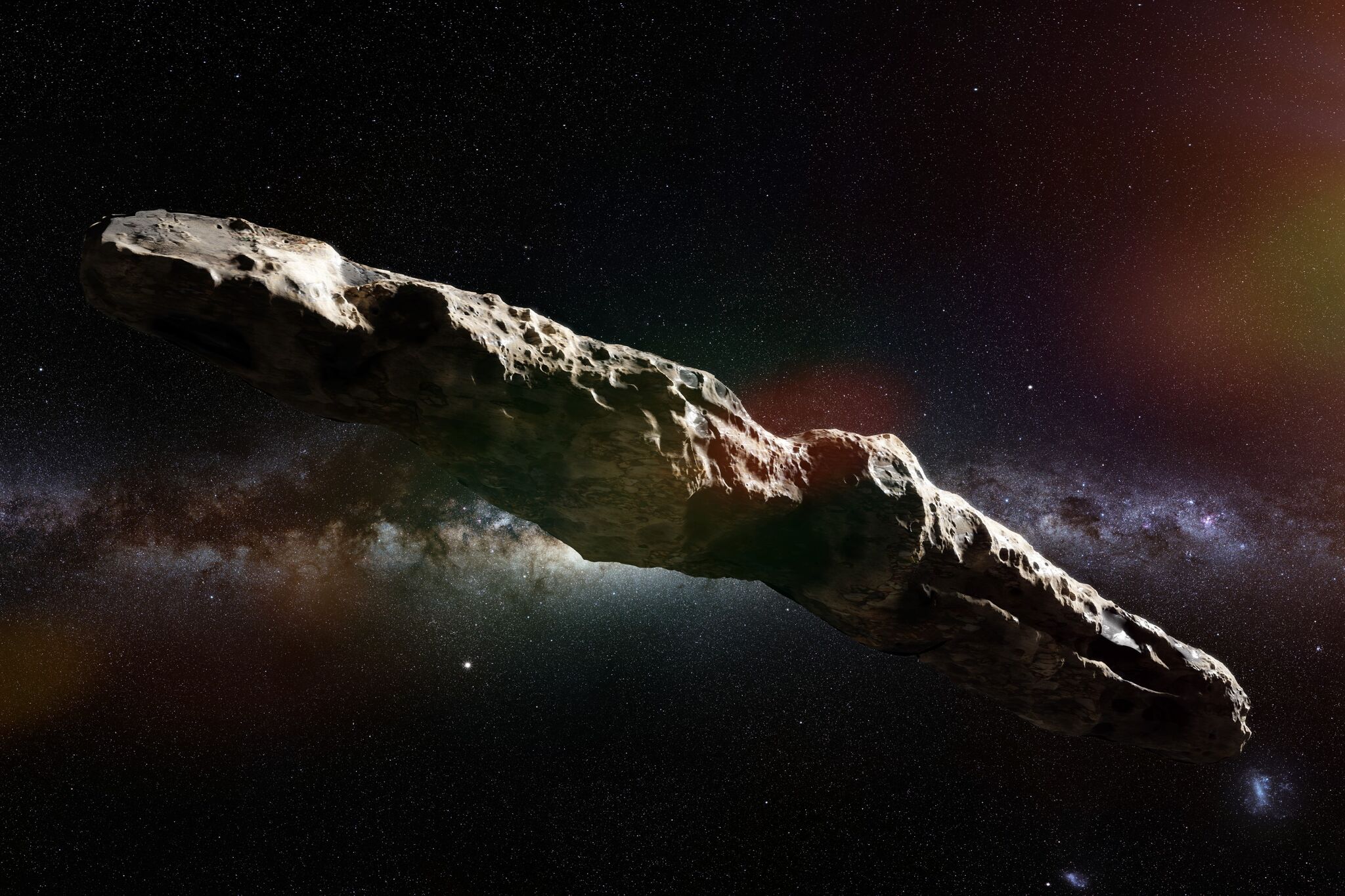
Lawmakers Demand NASA Release of Interstellar Comet 3I/ATLAS Imagery
#nasa #interstellar_comet #astronomy #transparency
Lawmakers push NASA to release images of interstellar comet 3I/ATLAS, fueling debate over transparency and scientific data.

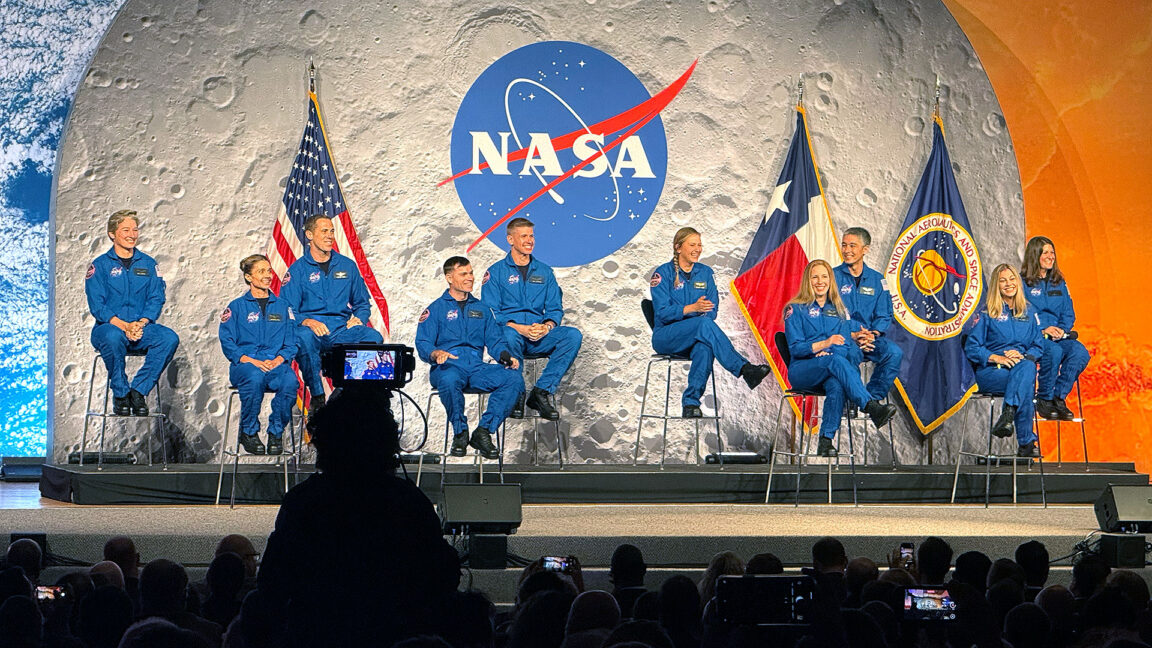

The National Aeronautics and Space Administration (NASA) is the United States’ premier civil space agency, responsible for the nation’s civilian space program, aeronautics research, and aerospace technology development[1][2]. Headquartered in Washington, D.C., NASA operates ten major field centers across the country and employs nearly 18,000 civil servants, supported by an extensive network of contractors, academic institutions, and international partners[1][2]. Since its establishment in 1958, NASA has revolutionized humanity’s understanding of the cosmos, pioneered technological advancements, and shaped global space policy. ## History and Key Achievements NASA was created in response to the Soviet Union’s 1957 launch of Sputnik, with the goal of ensuring U.S. leadership in space exploration. It succeeded the National Advisory Committee for Aeronautics (NACA) and quickly became the driving force behind iconic programs such as Project Mercury (America’s first human spaceflight program), Project Gemini (which developed techniques for space rendezvous and extravehicular activity), and the Apollo program, which landed astronauts on the Moon between 1969 and 1972[1]. The agency also developed the Space Shuttle, the world’s first reusable spacecraft, and built the International Space Station (ISS), a symbol of international collaboration and scientific research[1][5]. NASA’s robotic exploration has been equally transformative, with over 1,000 uncrewed missions investigating Earth, the Moon, Mars, and beyond. The agency’s fleet of observatories—including the Hubble Space Telescope and the James Webb Space Telescope—has provided unprecedented views of the universe, from the birth of stars to the detection of exoplanets[1]. The Perseverance rover is currently searching for signs of ancient life on Mars, while New Horizons explored Pluto and the outer solar system[1]. ## Current Status and Notable Aspects Today, NASA is advancing the Artemis program, aiming to return human
#nasa #interstellar_comet #astronomy #transparency
Lawmakers push NASA to release images of interstellar comet 3I/ATLAS, fueling debate over transparency and scientific data.
#critical_minerals #bilateral_ties #investment #technology #national_security
U.S. and Australia sign a critical minerals pact to diversify supply, increase investment, and cut dependence on China.
#nasa #earth-mapping #u.s.-indian mission
The joint U.S.-Indian mission has launched a new Earth-mapping satellite with advanced technology that can capture images in all weather conditions.
#nasa #space_exploration #astronauts
NASA's 2025 trainee group consists of 10 new diverse and experienced astronaut candidates, including a prior SpaceX crew member.
#nasa #astronauts #space program
Meet the 10 new astronaut candidates chosen from a pool of over 8,000 applicants from all over the United States.

#space_exploration #challenges #human_impact
A look at the challenges and human impact of space exploration, highlighted by NASA's recent malfunction of the Cygnus spacecraft.
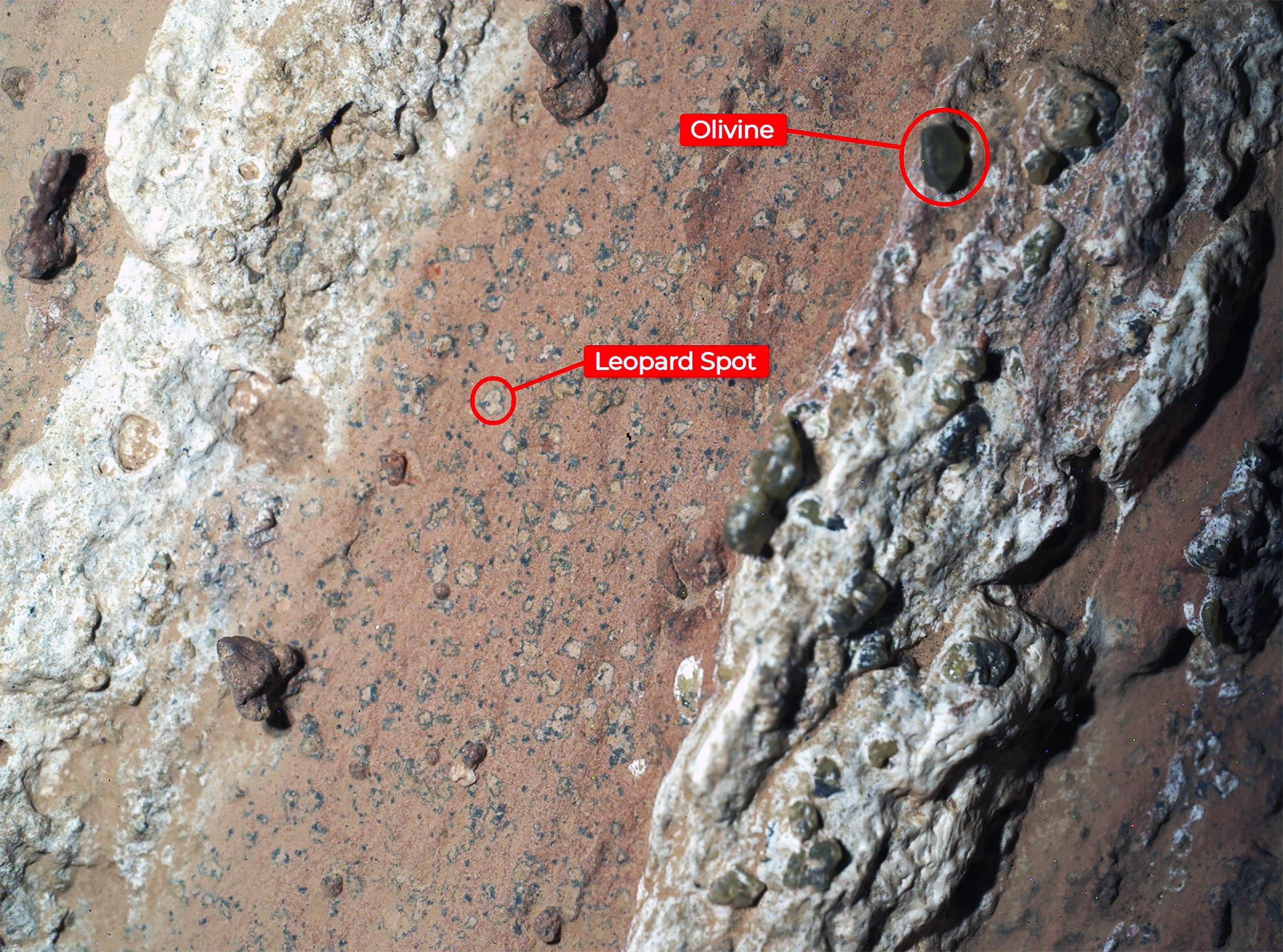
#nasa #mars #organic signals #extraterrestrial life #space exploration
NASA's Mars rover has discovered organic signals in mudstone, adding to evidence of Mars' habitability and raising questions about potential life on the Red Planet.

#space #exploration #technology
A look at the recent delay of a Cygnus cargo ship in its mission to resupply the International Space Station.

#politics #space_exploration #scientific_research
The Trump administration's lack of support for scientific research and space exploration may hinder our ability to fully investigate potential signs of life on Mars.
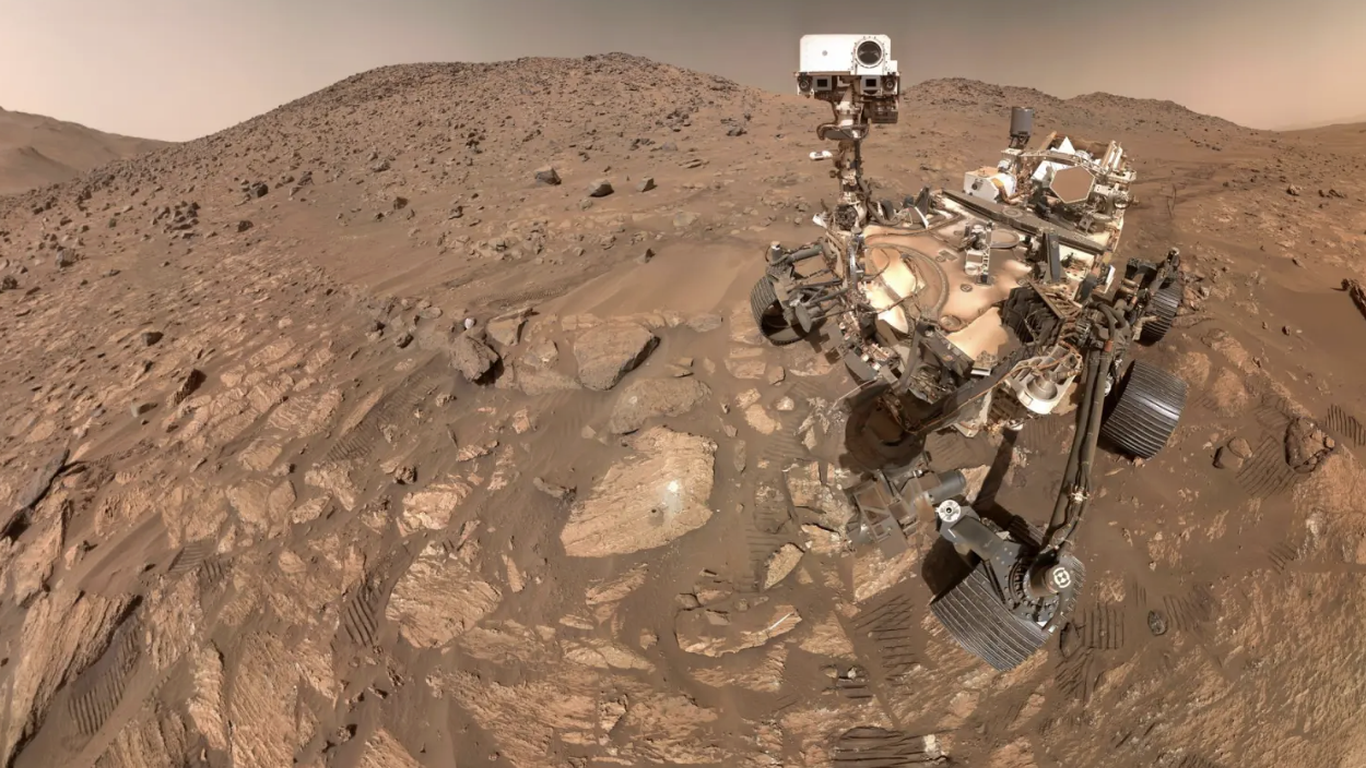
NASA's Perseverance rover has uncovered a rock that is being hailed as the 'clearest sign' yet of potential past life on the Red Planet.

Discover the latest breakthrough in the search for extraterrestrial life: NASA's discovery of ancient biosignatures on a rock sample from Mars.
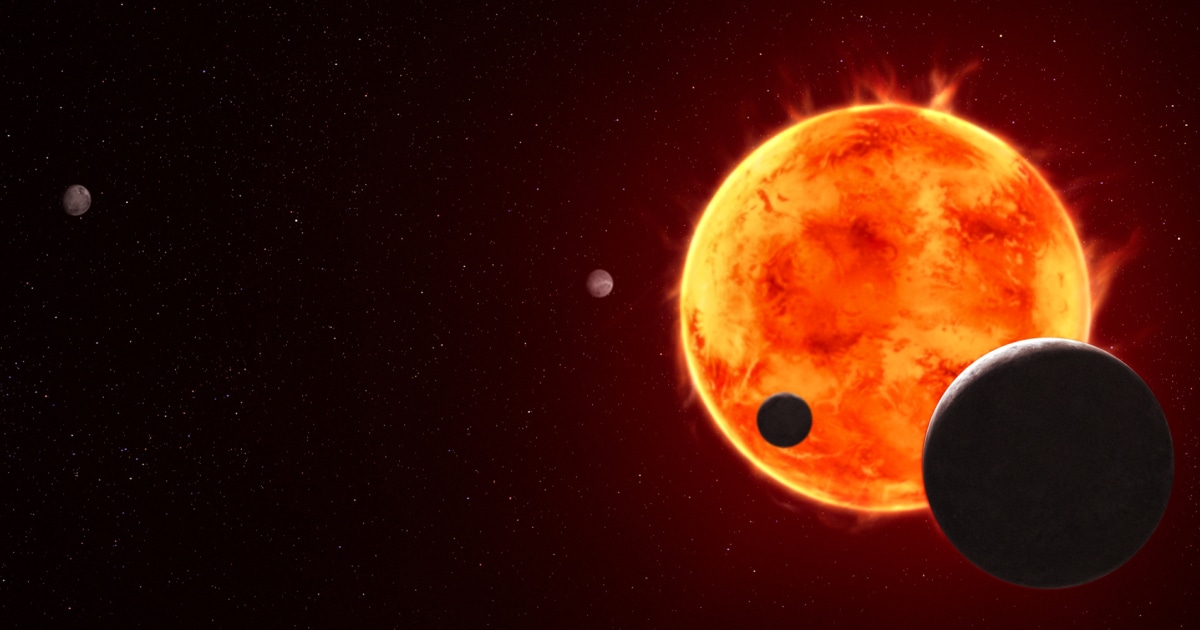
#extraterrestrial_life #nasa #tess
Scientists have found a potential planet with the right conditions for life - TOI 700 d. Learn more about this exciting discovery and its impact on the search for extraterrestrial life.

NASA's Perseverance rover has discovered a potential sign of life on Mars, bringing us one step closer to finding extraterrestrial life.
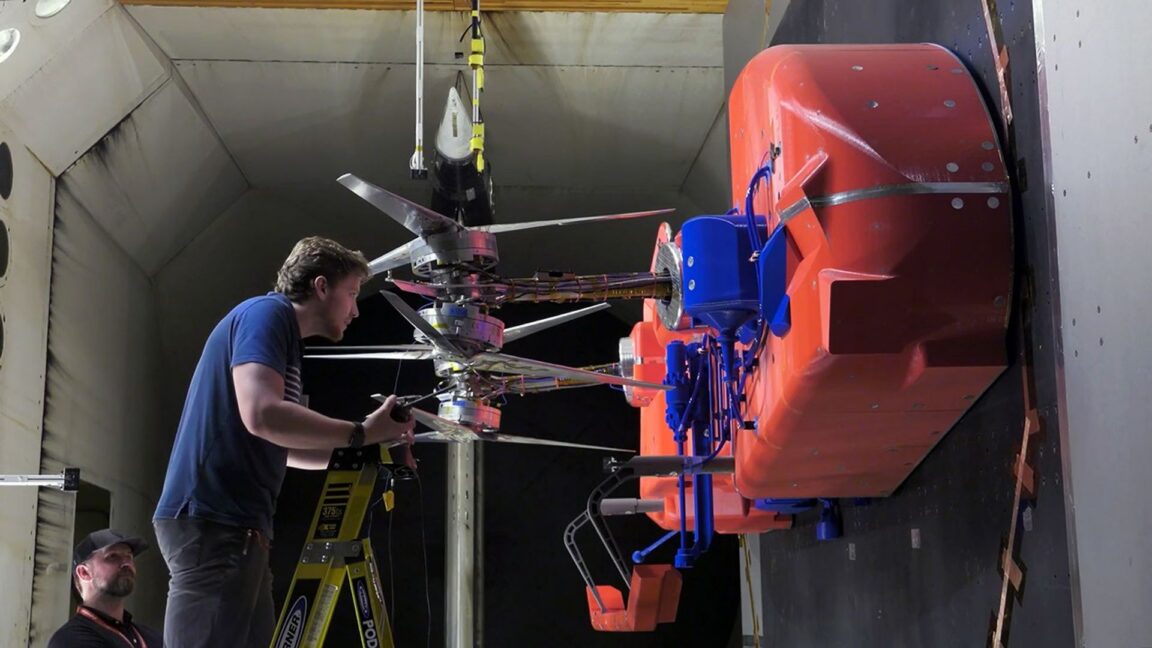
NASA's Dragonfly mission will explore Saturn's moon, Titan, and gather valuable data about its environment and potential for life.

#nasa #space shuttle #women #gender equality
Learn how the inclusion of women in the Space Shuttle program has made a significant impact on the space industry and inspired future generations.
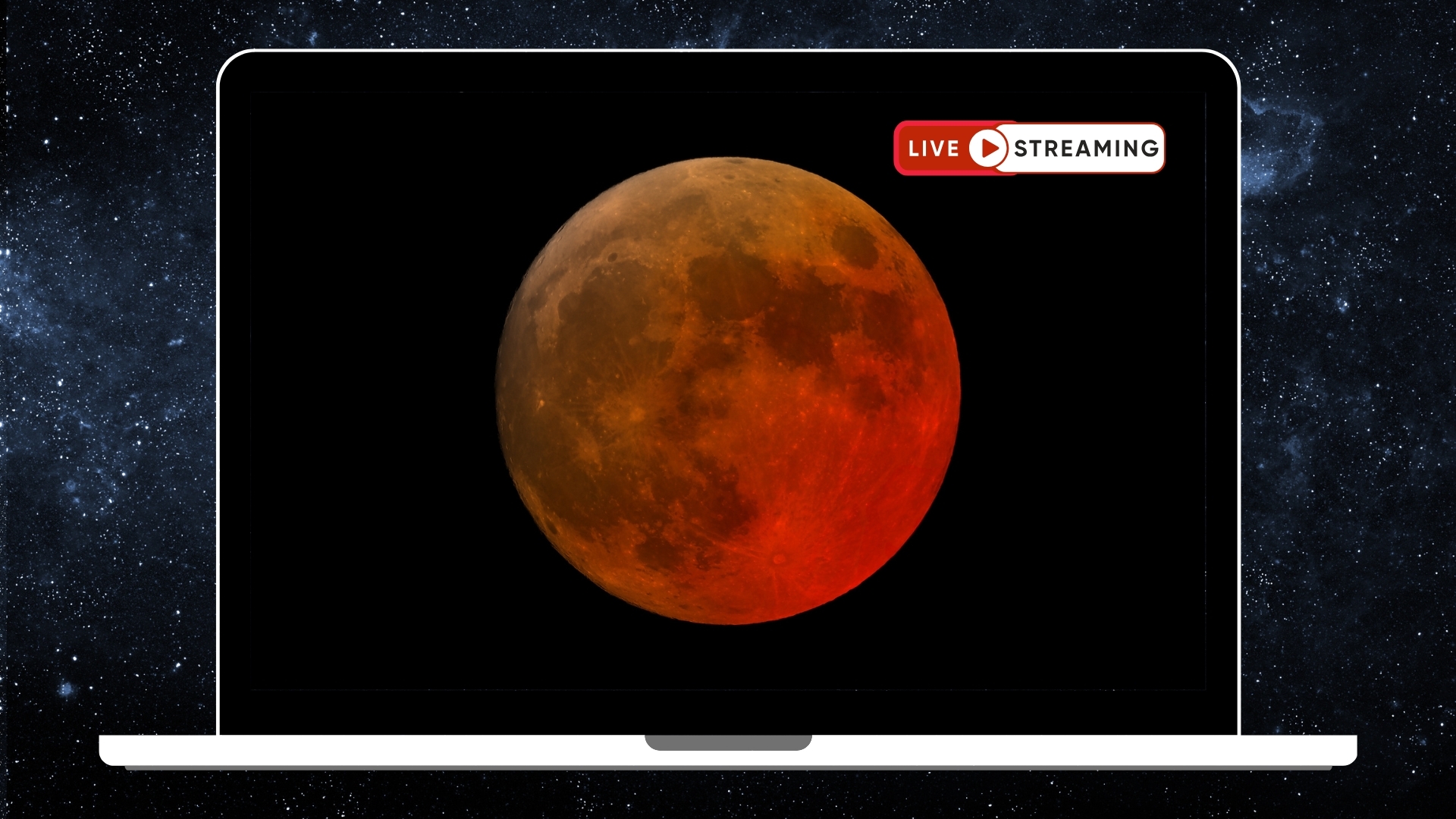
#lunar_eclipse #blood_moon #livestream
Can't catch the blood moon eclipse in person? Watch it live from home!
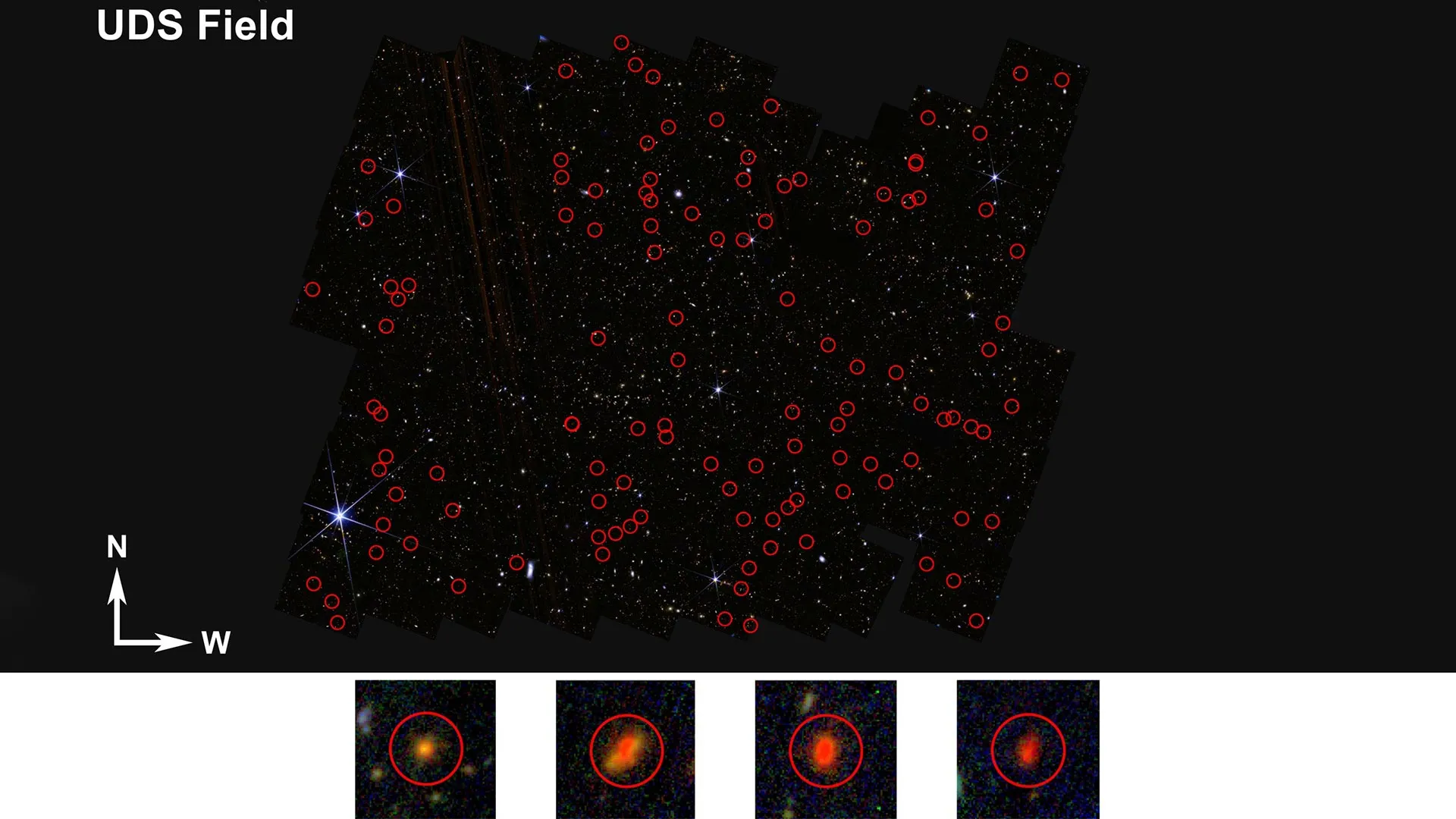
#nasa #webb_telescope #galaxies #astronomy
A groundbreaking discovery by NASA's Webb Telescope has uncovered 300 mysterious galaxies that may be some of the earliest ever formed.
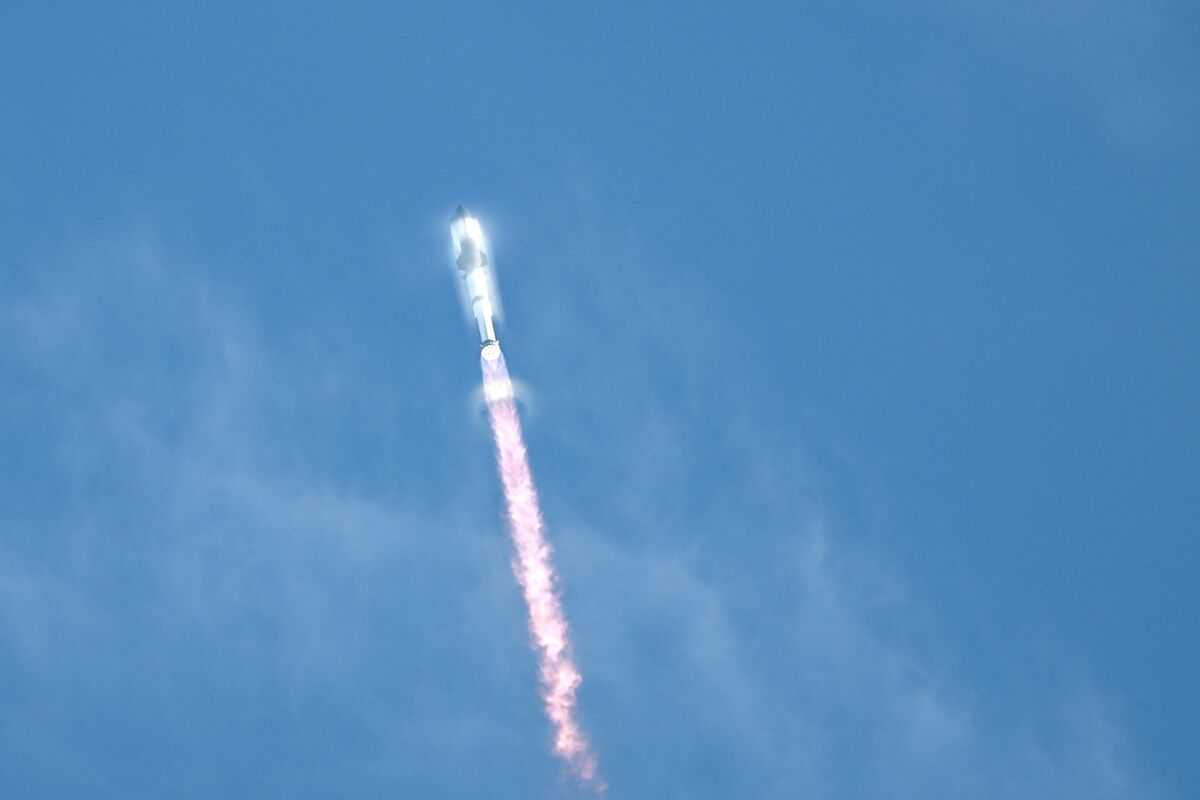
#spacex #starship #satellites #technology #space exploration
SpaceX's Starship rocket successfully deployed satellites in space, marking a significant achievement for the company.
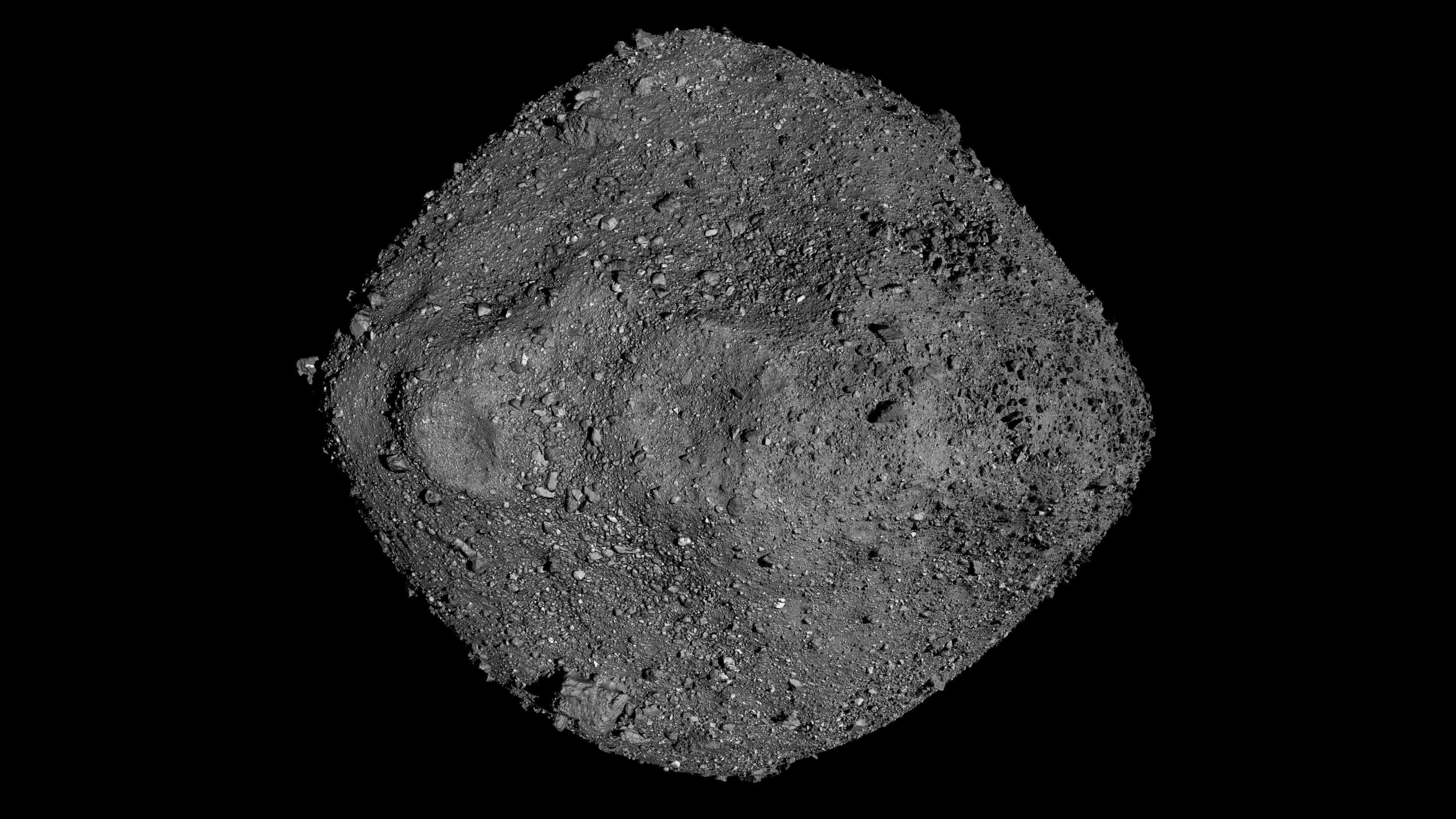
#asteroid #bennu #space #stardust #universe
Discover the secrets and mysteries of the near-Earth asteroid Bennu, including its violent past and stardust from the cosmos.
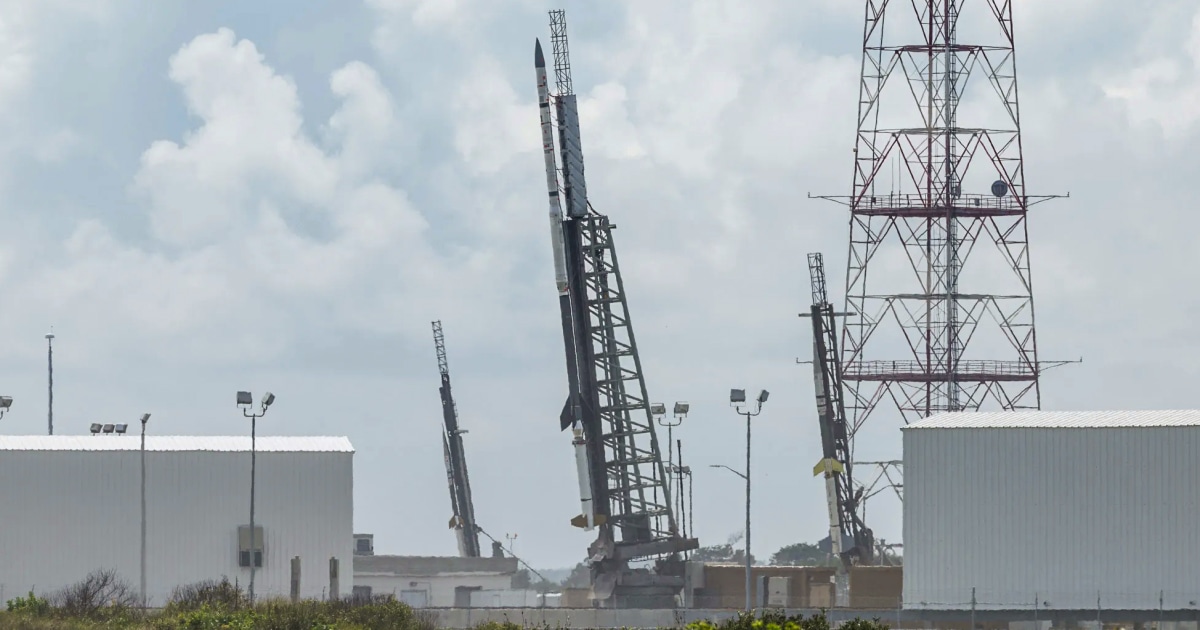
#nasa #sounding_rockets #atrex
NASA launches three small rockets to study Earth's ionosphere and magnetic field, creating a colorful display visible along the East Coast.