2025 Hurricane Season Begins with Formation of Hurricane Erin
#hurricane #2025 #climate_action
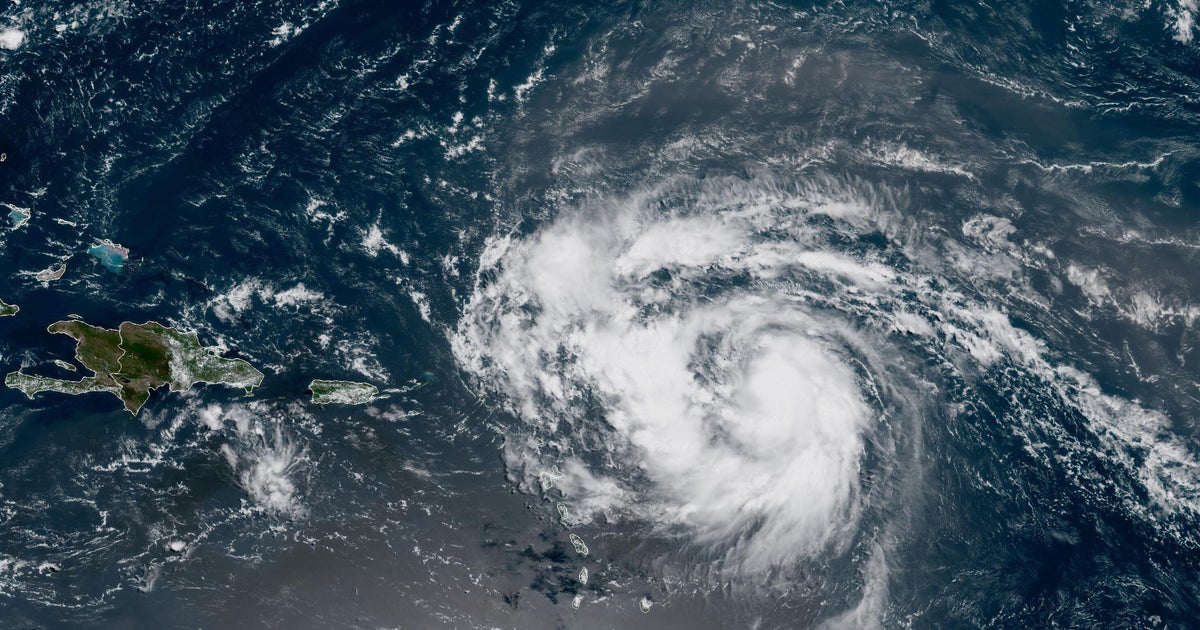
The 2025 hurricane season has officially begun with the formation of Hurricane Erin over the Atlantic, marking the start of an expected active season.
The **National Oceanic and Atmospheric Administration (NOAA)** is a U.S. federal scientific agency formed in 1970 under the Department of Commerce, created by merging entities like the Weather Bureau and Coast and Geodetic Survey to advance understanding of oceans, atmosphere, and coastal regions[2][5]. NOAA’s core mission is to *understand and predict changes* in climate, weather, oceans, and coasts, and to communicate this knowledge for public safety, economic benefit, and environmental stewardship[2][3]. NOAA operates through six key offices: the National Environmental Satellite, Data, and Information Service (providing global environmental data), the National Marine Fisheries Service (managing coastal fisheries within the U.S. exclusive economic zone), the National Ocean Service (focused on ocean and coastal health), the National Weather Service (NWS) which delivers weather forecasts and warnings nationwide, the Office of Oceanic and Atmospheric Research (conducting environmental research), and the Office of Program Planning and Integration (overseeing agency performance)[5]. One of NOAA’s most publicly recognized components is the National Weather Service, which supplies critical weather, water, and climate data, including aviation weather information via its Aviation Weather Center. NOAA also manages nine national centers for environmental prediction, including the National Hurricane Center and Space Weather Prediction Center, vital for disaster preparedness and response[2]. Key achievements include pioneering satellite-based environmental monitoring and integrating advanced modeling to improve forecasts, contributing to enhanced safety in aviation, marine navigation, and emergency management. NOAA’s work supports industries such as shipping and fisheries, while also informing policies on climate resilience and marine ecosystem conservation. Today, NOAA remains a leader in Earth system science and technology, with a broad national reach through its facilities and partnerships. Its data and forecasts underpin critical business and government decisions, making it a cornerstone for innovation at the intersection of environmental science, technology, and economic activity[4][5].
#hurricane #2025 #climate_action
The 2025 hurricane season has officially begun with the formation of Hurricane Erin over the Atlantic, marking the start of an expected active season.