Say Goodbye to Fossil Fuels with Aircela's On-Site Synthetic Fuel Tech
#synthetic_fuels #decarbonization #direct_air_capture #energy_efficiency
Say Goodbye to Fossil Fuels
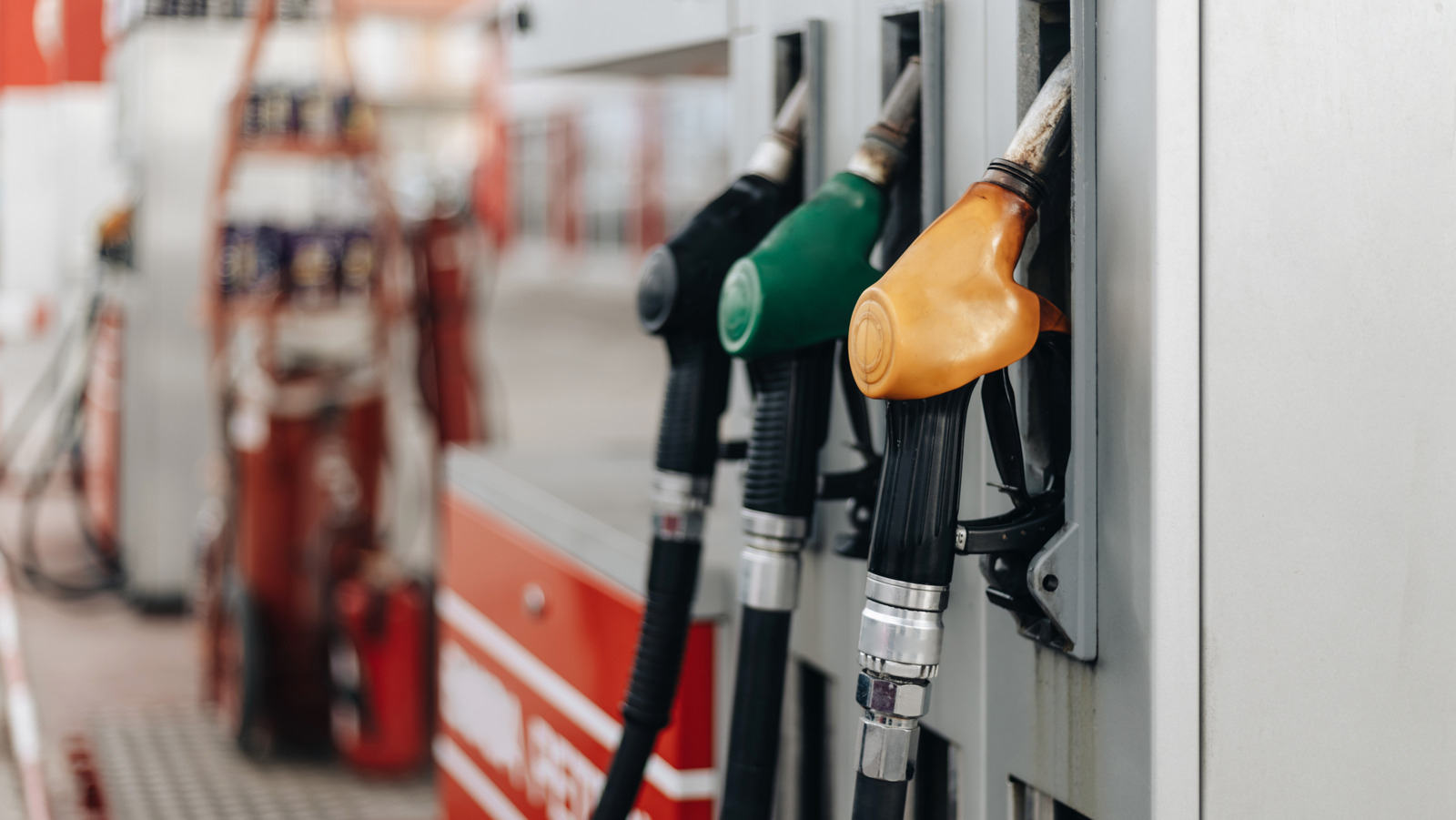
Imagine fueling your car with gasoline made from thin air, leaving petroleum behind forever. Aircela's revolutionary machine does just that, transforming ambient air, water, and renewable electricity into engine-ready fuel without any fossil inputs. Unveiled in 2025, this compact device—about the size of a refrigerator—promises to decarbonize gas-powered vehicles seamlessly.[1][2][5]
How the Aircela Magic Works
The process starts with direct air capture: a fan draws in air through a chamber where a potassium hydroxide solution snags CO₂ efficiently. Simultaneously, electrolysis splits water into hydrogen and oxygen using solar or other clean power, retaining the hydrogen. These combine to form methanol, then undergo a methanol-to-gasoline process, yielding drop-in gasoline compatible with existing engines and infrastructure.[1][3][4]
A Greener Future Awaits
Aircela's on-site production enables off-grid use, slashing transport emissions and reliance on oil. With over 50% energy efficiency targeted, it requires about 75 kWh per gallon, making synthetic fuels viable for everyday drivers. This tech bridges the gap to sustainability, powering today's cars toward a fossil-free tomorrow.[3][4][6]
About the Organizations Mentioned
Aircela
**Aircela** is a New York City-based cleantech startup revolutionizing fuel production by building compact, modular machines that capture CO₂ from ambient air and convert it into fossil-free, drop-in gasoline using only water and renewable electricity.[1][6] Founded in 2019 by siblings Mia Dahlgren (COO) and Eric Dahlgren, Aircela addresses climate change by offering a carbon-neutral alternative to traditional fossil fuels, compatible with existing engines and infrastructure without modifications.[1][2][4] The process integrates proven technologies: direct air capture (DAC) with a water-based potassium hydroxide sorbent pulls CO₂ from the air; electrolysis splits water for renewable hydrogen; and a methanol-to-gasoline (MTG) catalytic process synthesizes motor-grade gasoline free of sulfur, heavy metals, or ethanol.[1][3][4] Each refrigerator-sized unit captures ~10 kg of CO₂ daily at 24/7 operation, yielding about 1 gallon of fuel—scalable via distributed deployments like solar farms.[1][4] Key achievements include the May 2025 unveiling of the first U.S. DAC machine producing gasoline on-site, demonstrated live at a Manhattan rooftop event attended by investors, NYC Councilmember Erik Bottcher, and NY State Energy Chairman Richard Kauffman.[2][5] Backed by Maersk Growth, this milestone validated real-time synthesis and spurred field testing with beta partners across environments.[1][2] Currently pre-commercial, Aircela is scaling production, forging partnerships, and raising capital. Field tests refine performance, targeting limited U.S. market availability in late 2026, with global rollout for sites with renewables, water, and air.[1][2] This distributed model promises unlimited fuel supply, positioning Aircela as a mosaic solution in mobility and climate tech—potentially producing thousands of gallons daily from clustered units.[4] (298 words)[1][2][3][