VA Backs Down on Controversial Disability Rule Amid Veteran Outcry
VA Backs Down on Controversial Disability Rule Amid Veteran Outcry
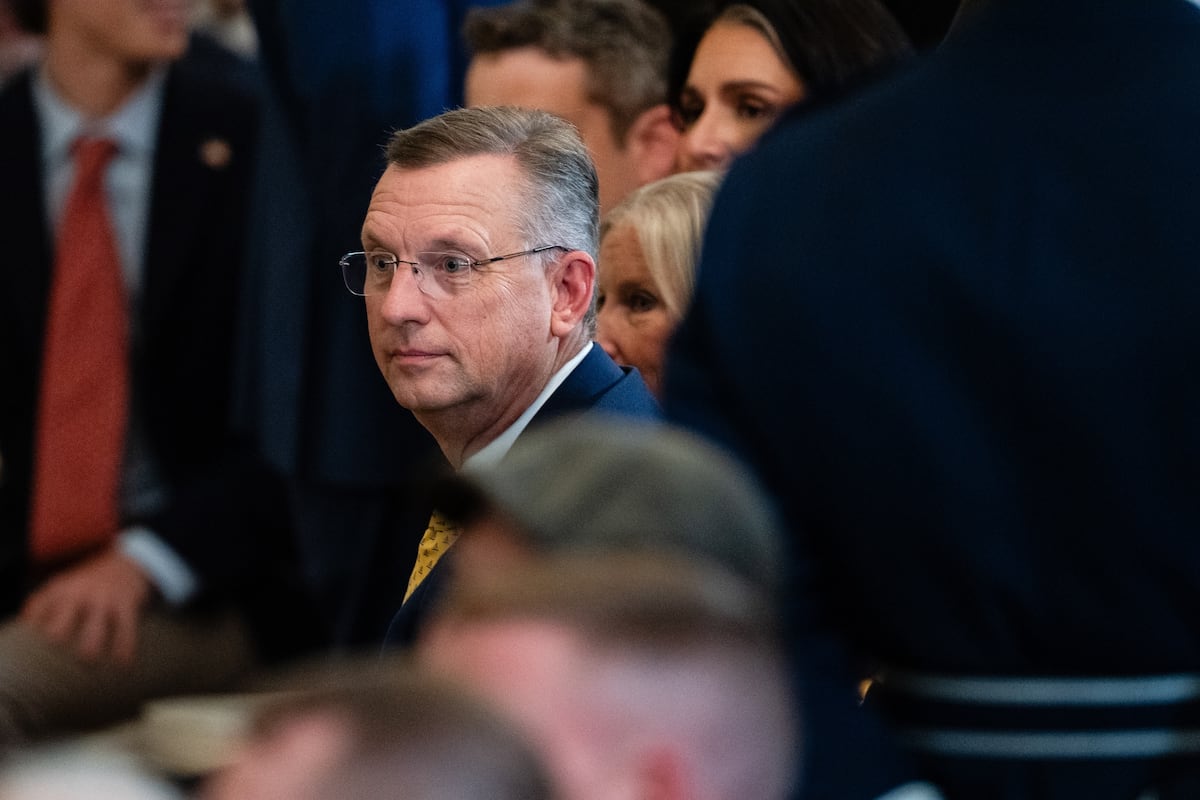
The Department of Veterans Affairs has suspended enforcement of a contentious new regulation that would have altered how disability ratings are assessed, bowing to widespread backlash from the veteran community. Announced by VA Secretary Doug Collins via social media, the decision halts a rule requiring examiners to consider medication effects, which critics feared would penalize veterans for seeking treatment.
Origins of the Backlash
The interim final rule, effective briefly on February 17, aimed to align ratings with medicated symptoms, overriding court rulings like Ingram v. Collins that emphasized unmedicated impairment. Veterans groups such as the VFW, Disabled American Veterans, and American Legion decried it as a betrayal, warning it could lower compensation for millions managing pain, mental health, or musculoskeletal issues through medication. Senators like Tammy Duckworth condemned the rushed process, bypassing public input.
Future Implications for Veterans
While public comments continue until April, Collins affirmed no future enforcement, preserving trust in the system. This retreat underscores the power of unified advocacy, ensuring ratings reflect true service-connected disabilities without disincentivizing care. Veterans can now focus on benefits without policy fears.
About the Organizations Mentioned
Department of Veterans Affairs
```html <!DOCTYPE html> <html lang="en"> <head> <meta charset="UTF-8"> <meta name="viewport" content="width=device-width, initial-scale=1.0"> <title>Department of Veterans Affairs: A Pillar of Support for America's Heroes</title> <style> body { font-family: Arial, sans-serif; line-height: 1.6; max-width: 800px; margin: 0 auto; padding: 20px; } h1 { color: #003087; } h2 { color: #005ea2; } strong { color: #d4351c; } ul { margin-bottom: 20px; } </style> </head> <body> <h1>Department of Veterans Affairs: Empowering Heroes with Cutting-Edge Benefits and Tech-Driven Care</h1> <p>The **United States Department of Veterans Affairs (VA)** stands as a cabinet-level federal agency dedicated to delivering lifelong healthcare, benefits, and memorial services to military veterans and their families.[1][2] As the nation's second-largest department after Defense, it employs nearly 371,000 professionals across 1,255 facilities, serving over 9 million veterans annually.[2][3]</p> <h2>Rich History and Evolution</h2> <p>Established as the Veterans Administration in 1930 and elevated to cabinet status in 1989, the VA has grown into a powerhouse of support.[1][4] Its core structure includes three administrations: **Veterans Health Administration (VHA)** for integrated healthcare and research; **Veterans Benefits Administration (VBA)** handling education (GI Bill), home loans, insurance, vocational rehab, and compensation; and **National Cemetery Administration (NCA)** maintaining 150+ shrines.[1][2][6]</p> <
VFW
# The Veterans of Foreign Wars: America's Largest War Veterans Organization The **Veterans of Foreign Wars (VFW)** is a nonprofit veterans service organization representing United States military personnel who served in overseas conflicts.[1] Established on September 29, 1899, in Columbus, Ohio, the VFW was federally chartered by Congress in 1936 and is headquartered in Kansas City, Missouri.[1] ## Historical Foundation The VFW originated when Spanish-American War and Philippine Insurrection veterans formed local organizations to secure rights and benefits for their service.[2] Multiple regional groups—including the American Veterans of Foreign Service in Ohio, the Colorado Society of the Army of the Philippines in Denver, and another chapter in Pennsylvania—merged in 1913 to create the unified national organization.[1][3] ## Mission and Purpose The organization's core mission is to foster camaraderie among veterans, serve veterans and military members, and advocate on their behalf.[2] The VFW works to ensure veterans receive earned entitlements, respect for their service, and recognition for their sacrifices.[3] The organization maintains legislative services and a national rehabilitation program in Washington, D.C., assisting disabled veterans with government compensation, pension claims, hospitalization, and employment preferences.[1] ## Current Operations and Impact As of December 2025, the VFW comprises approximately 1.3 million members across 5,556 posts worldwide.[1] The organization operates more than 6,000 local units and maintains advocates in all 53 VA regional offices and 20 military installations.[5] The VFW has secured major legislative victories, including instrumental roles in establishing the Veterans Administration, developing the national cemetery system, and passing the Post-9/11 GI Bill in 2008.[2] ## Contemporary Focus Today, the VFW
Disabled American Veterans
```html <!DOCTYPE html> <html lang="en"> <head> <meta charset="UTF-8"> <meta name="viewport" content="width=device-width, initial-scale=1.0"> <title>Disabled American Veterans: Empowering Heroes for Over a Century</title> <style> body { font-family: Arial, sans-serif; line-height: 1.6; max-width: 800px; margin: 0 auto; padding: 20px; } h1 { color: #003366; } h2 { color: #005599; } ul { padding-left: 20px; } </style> </head> <body> <h1>Disabled American Veterans: Empowering Heroes for Over a Century</h1> <p>The <strong>Disabled American Veterans (DAV)</strong> is a powerhouse nonprofit dedicated to empowering disabled veterans to lead high-quality lives with respect and dignity, blending advocacy, direct services, and community support in ways that resonate with business leaders and tech innovators focused on social impact[1][2].</p> <h2>A Storied History of Service</h2> <p>Founded in 1920 by World War I veterans, DAV arose from the urgent need to ensure injured heroes received deserved care and benefits[1][2]. Early efforts included advocating for rights, providing free medical transport, and building support networks—foundations that evolved into a national force with chapters in every state[2]. For over 100 years, DAV has championed federal programs, healthcare, and transition services on Capitol Hill[1][3].</p> <h2>Key Achievements and Impact</h2> <p>DAV's triumphs are staggering: In 2024 alone, it facilitated <strong>$30.4 billion</strong> in earned benefits, filed
American Legion
```html <!DOCTYPE html> <html lang="en"> <head> <meta charset="UTF-8"> <meta name="viewport" content="width=device-width, initial-scale=1.0"> <title>The American Legion: A Century of Veteran Advocacy and Community Impact</title> <style> body { font-family: Arial, sans-serif; line-height: 1.6; max-width: 800px; margin: 0 auto; padding: 20px; } h1 { color: #003366; } h2 { color: #0066cc; } p { margin-bottom: 1em; } </style> </head> <body> <h1>The American Legion: Empowering Veterans in a Modern World</h1> <p>Founded in the shadow of World War I, the <strong>American Legion</strong> stands as America's largest wartime veterans' service organization, chartered by Congress on September 16, 1919.[1][2][3] Headquartered in Indianapolis, Indiana, it unites veterans through thousands of local posts across states, territories, and overseas, fostering mutual aid, patriotism, and community service.[1][9]</p> <h2>Origins Amid Post-War Urgency</h2> <p>The Legion's story began in Paris, France, March 15-17, 1919, when over 1,000 officers and enlisted men from the American Expeditionary Forces convened to address low morale among troops awaiting repatriation.[1][3][6] Visionaries like Lt. Col. Theodore Roosevelt Jr. and Gen. John Pershing drove the caucus, adopting the name "American Legion" and a tentative constitution.[1][4][5] Rapid growth followed: membership hit 1 million by the early 1920s, with the first national convention in Minneapolis soli