Brain Organoids: Promise and Peril in Neuroscience
Brain Organoids: Promise and Peril in Neuroscience
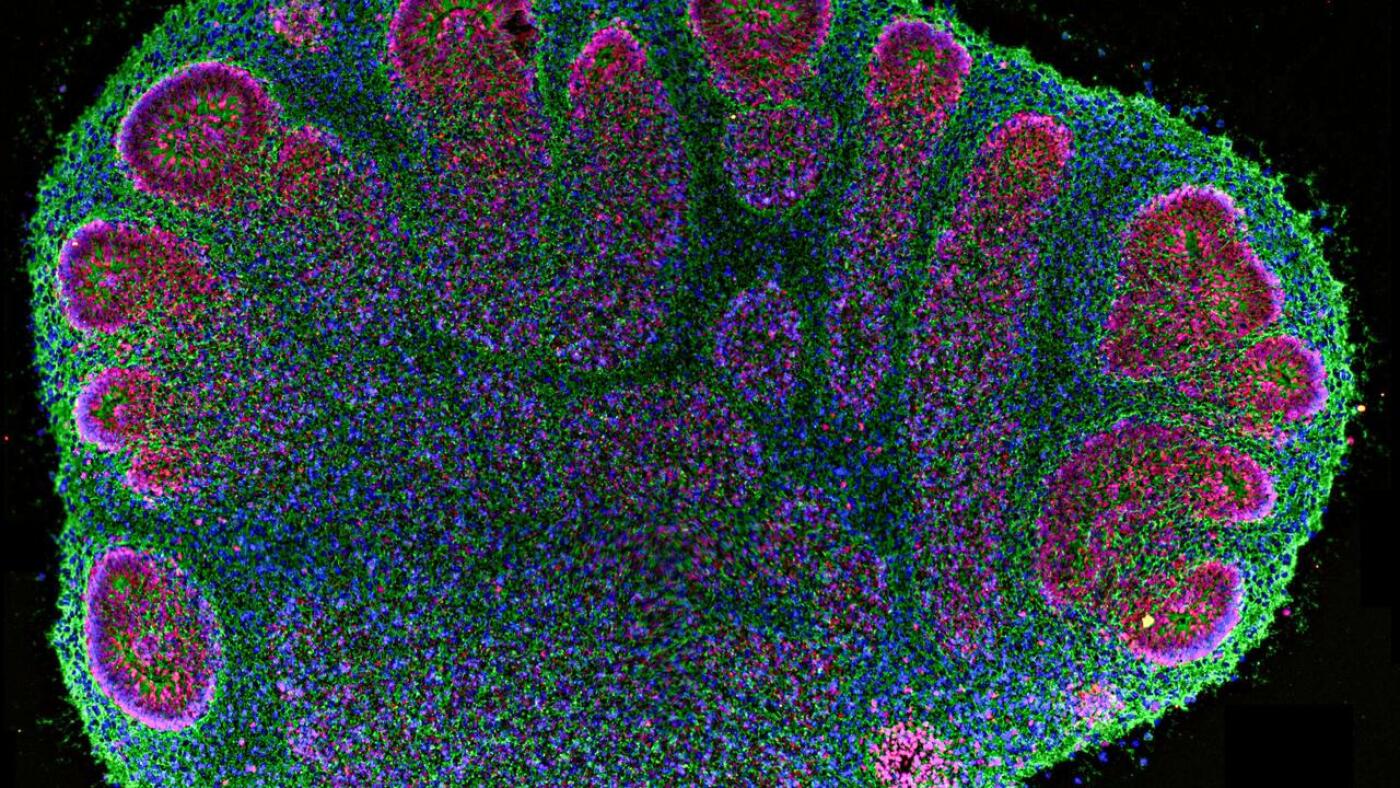
Pea-sized clusters of human cells, known as **brain organoids**, are revolutionizing research by mimicking brain development and disease. These mini-brains, grown from stem cells, offer hope for understanding Alzheimer's and brain tumors, accelerating drug testing without animal models.[1][2][3]
Breakthroughs Fueling Excitement
Innovations like graphene-mediated stimulation mature organoids faster, enhancing neural connections and enabling real-time robotic control, as shown in UCSD studies.[1] Tissue-derived organoids from fetal brain tissue self-organize to model development and cancers like glioblastoma, providing unprecedented insights into cell identity and mutations.[2] From neurodevelopmental disorders to neurodegeneration, these tools simulate human-specific phenotypes, aiding personalized medicine.[3][5]
Easing Ethical Unease
Yet, their complexity sparks debate: do organoids feel pain or gain consciousness? Experts urge guidelines for responsible use, balancing transformative potential in disease modeling and AI integration against moral risks, ensuring ethical progress in neuroscience.[4][7]
About the Organizations Mentioned
UCSD
**UC San Diego (UCSD)** is a premier public research university in La Jolla, California, dedicated to educating changemakers, generating groundbreaking knowledge, and delivering top-tier health care to transform society.[1][4] Founded in 1959, UCSD has evolved from a modest campus into a global powerhouse on 1,976 acres overlooking the Pacific Ocean, spanning 1,200 acres of prime coastal real estate.[1][6] Its mission emphasizes multidisciplinary collaboration to tackle pressing issues, with a vision as a student-centered, research-driven institution affiliated with the nationally ranked UC San Diego Health system.[1] Key achievements underscore its elite status: Ranked among the top 20 research universities worldwide and No. 9 for highly cited researchers, UCSD secured $1.73 billion in research funding for FY2023-24.[1] It boasts 16 Nobel laureates among its faculty, plus winners of Fields Medals, Pulitzer Prizes, Tony Awards, and Presidential Medals of Freedom, alongside 169 National Academy memberships.[1][5] Recognized as the No. 1 public university for research by Washington Monthly and top 10 by U.S. News, it leads in innovation (No. 8 globally per Clarivate) and excels in STEM fields like biology, cognitive science, and computer science.[3][4][7] Currently, with 45,273 students (fall 2024 enrollment, including 32,852 full-time undergraduates), UCSD maintains a competitive 25-28.4% acceptance rate and graduates 88% of its students.[1][2][5] Its eight-college structure fosters personalized support amid vast resources, though students note challenges like fast-paced quarters, housing shortages, and parking.[2][3] Notable recent ventures include a Fusion Data Science Center with General Atomics, advancing AI, machine learning, and fusion energy to cement California's tech leadership.[4] For business and tec