Breakthrough Reverses Alzheimer's Damage in Mice by Restoring Brain Energy
Breakthrough in Reversing Alzheimer's Damage in Mice
Alzheimer's disease has long been viewed as a one-way path of irreversible brain decline, but groundbreaking research now challenges this notion. Scientists have successfully reversed severe memory loss in mice by restoring the brain's disrupted energy supply, offering fresh hope for advanced cases.[1][2]
Unraveling the Energy Crisis in the Brain
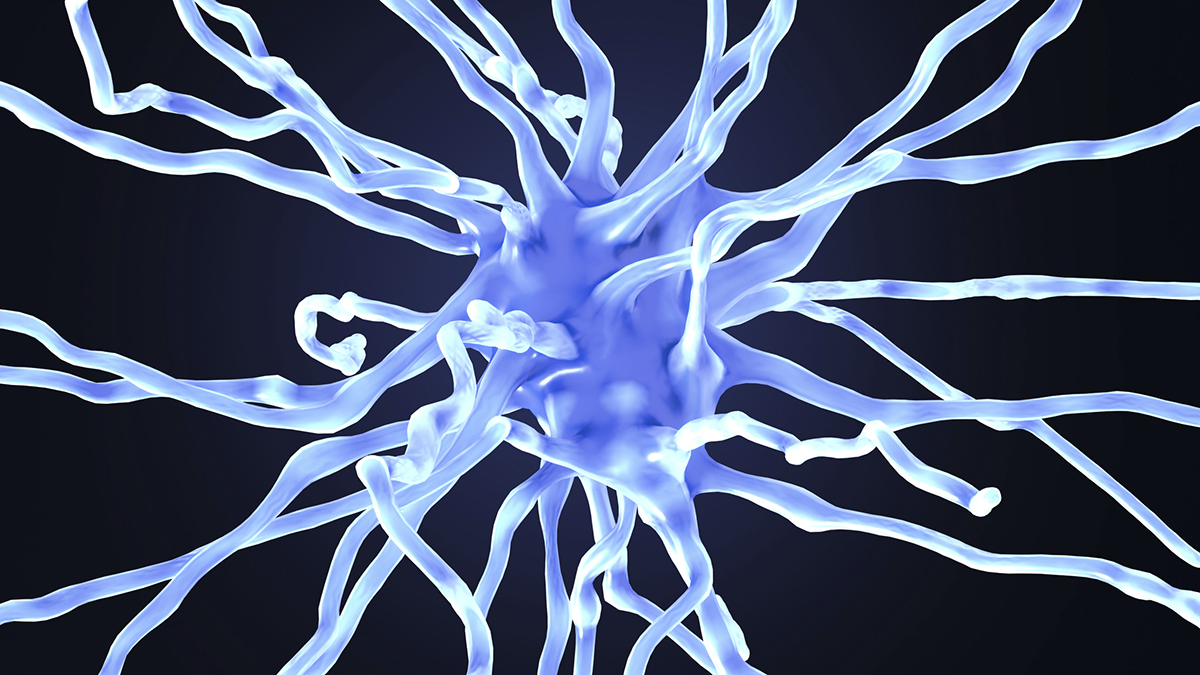
At the heart of Alzheimer's lies a critical failure in brain energy metabolism. Astrocytes, vital support cells, become hyperactive and desynchronized, impairing blood flow and nutrient delivery to neurons. The APOE4 gene variant exacerbates this by blocking lipid uptake, forcing neurons to rely on scarce glucose and leading to synaptic damage. Studies using mouse models reveal that this metabolic short-circuit precedes memory deficits by years.[1][2][3]
Restoring Balance and Future Therapies
By targeting astrocyte reactivity and enhancing lipid metabolism—through enzymes like lipoprotein lipase—researchers restored energy balance, reversing neuronal damage and memory function in mice. Ketone bodies emerge as alternative fuels, reducing inflammation and amyloid plaques. These findings pave the way for human trials, emphasizing modifiable metabolic pathways to halt or reverse dementia progression.[3][4]