Why Women's Pain Persists Longer Than Men's: Sex-Based Differences in Chronic Pain
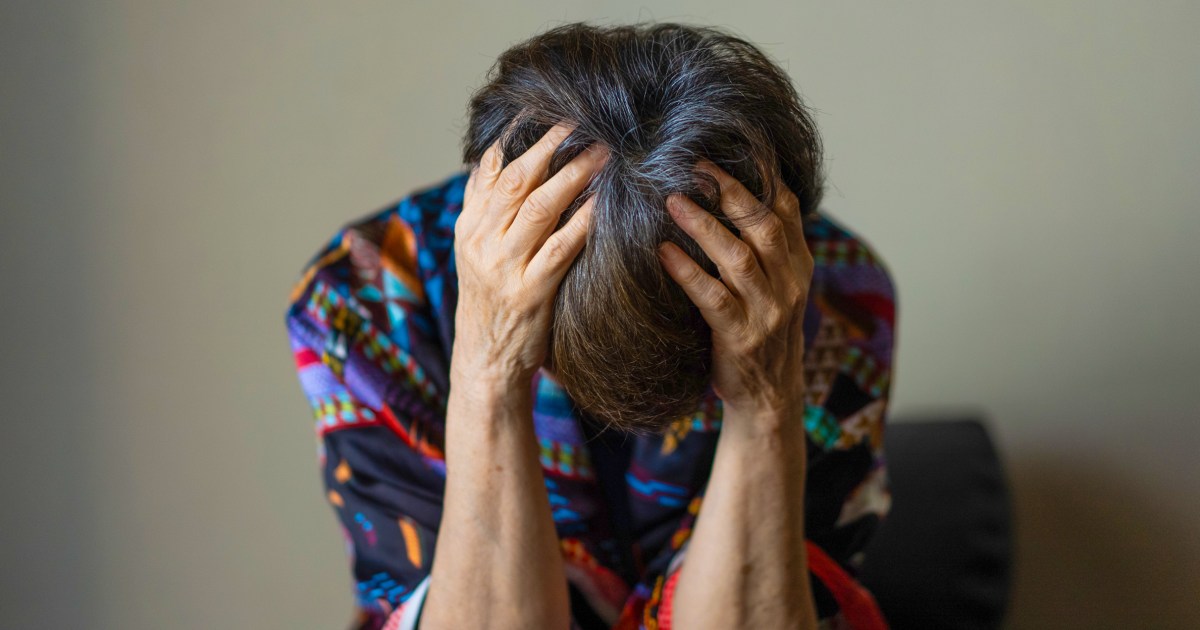
Why Women's Pain Persists Longer Than Men's
Recent research reveals a striking disparity: women endure chronic pain more frequently and for extended periods compared to men. Over 50% of chronic conditions like fibromyalgia and migraines predominantly affect women, leading to greater intensity, widespread discomfort, and functional limitations. This pattern emerges across diseases, from musculoskeletal issues to circulatory disorders, with women reporting pain scores nearly a full point higher on standard scales.[1][3]
Immune System and Biological Factors at Play
New studies pinpoint immune system differences as a key culprit. Women's heightened immune responses, influenced by sex hormones post-puberty, amplify pain transitions from acute to chronic. For instance, after surgery or emergency visits, women develop lasting pain at rates double those of men—15.5% versus 8.7%. Genetic and neuroimmune variations further sensitize women to stimuli, lowering pain thresholds and prolonging episodes.[1][2][4]
Toward Tailored Pain Relief
These insights demand sex-specific treatments. While some migraine drugs benefit women more, many trials overlook gender, hindering progress. Personalized approaches considering biology and perception could reduce disability, boost productivity, and enhance lives impacted by unrelenting pain.[1][3][7]