ByteDance Sale to US Owners: TikTok Transfer Aims to Avert Ban and Ensure Continuity
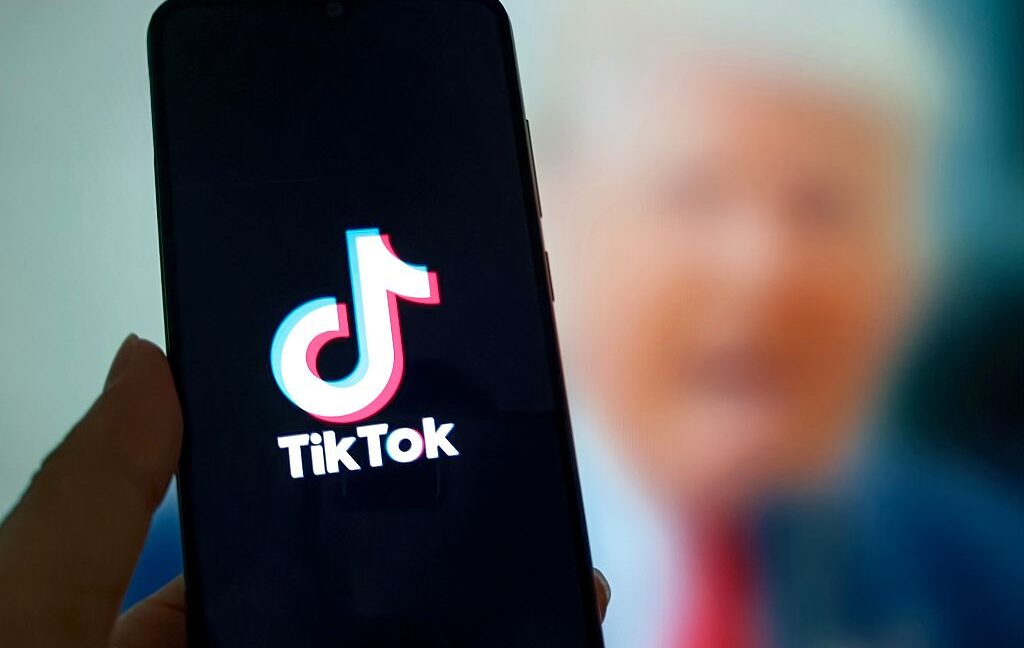
ByteDance confirms sale to US owners
ByteDance announced a landmark agreement to transfer TikTok ownership to U.S. stakeholders, aiming to avert a 2026 nationwide ban. The move seeks to address national security concerns by creating American control over data flows and operations. Executives promise continuity for creators and advertisers, but transition risks include temporary instability, feature regressions, and integration delays that could make the app feel buggy during rollout.
Implications for users, creators, and policy
The sale could reshape moderation policies and algorithmic choices as new owners pursue compliance and political neutrality claims. Creators should prepare for contract updates, shifting monetization, and potential content moderation changes labeled by critics across the spectrum. Advertisers may pause campaigns until reliability is proven, while regulators will monitor enforcement. Long term, U.S. ownership may ease geopolitical tensions but raises fresh questions about oversight, competition, and how platform culture adapts under different commercial and legal incentives.
About the Organizations Mentioned
ByteDance
ByteDance is a Chinese multinational internet technology company founded in 2012 by Zhang Yiming and his team, headquartered in Beijing. It is best known for developing TikTok (Douyin in China), a short-video social media platform that has become a global phenomenon with around 1.9 billion monthly active users worldwide as of 2021. ByteDance’s portfolio also includes the news aggregation app Toutiao, video editing tool CapCut, and e-commerce platforms such as TikTok Shop and Douyin Mall. The company operates more than a dozen digital products serving diverse markets, including China, the U.S., and Southeast Asia[1][4]. ByteDance’s rapid growth is driven by its strong focus on artificial intelligence (AI) and content recommendation algorithms, which personalize user experiences and fuel engagement. By 2025, its valuation surged to between $330 billion and $400 billion, supported by a $12 billion investment in AI infrastructure and advances like OmniHuman-1, an AI system capable of creating realistic videos from a single image. Its Q2 2025 revenue reached $48 billion, reflecting success in monetizing AI-driven platforms and expanding e-commerce to reduce reliance on advertising[2][3][5]. Despite its commercial achievements, ByteDance has faced significant challenges, including scrutiny over data privacy, allegations of surveillance linked to the Chinese government, and geopolitical tensions leading to attempts to ban TikTok in the U.S. and service shutdowns in India. It has responded by emphasizing TikTok’s operational independence, with separate data governance structures and headquarters in Los Angeles and Singapore. Regulatory concerns continue to shape its global strategy[1][3][6]. ByteDance exemplifies the evolving landscape of global tech, balancing innovation and geopolitical complexity. Its entrepreneurial culture, summed up by the motto "Always Day 1," drives continuous innovation in AI, content, and commerce, positioning it as a defining player in the intersection of social media and artificial intelligence[