EU Reverses Combustion Engine Ban Amid Industry Pressure

Europe Backtracks on Combustion Engine Ban
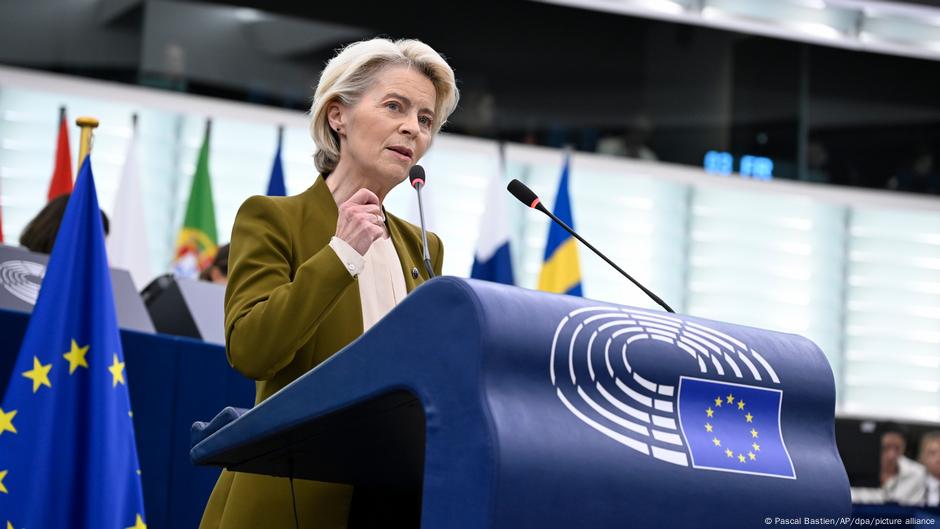
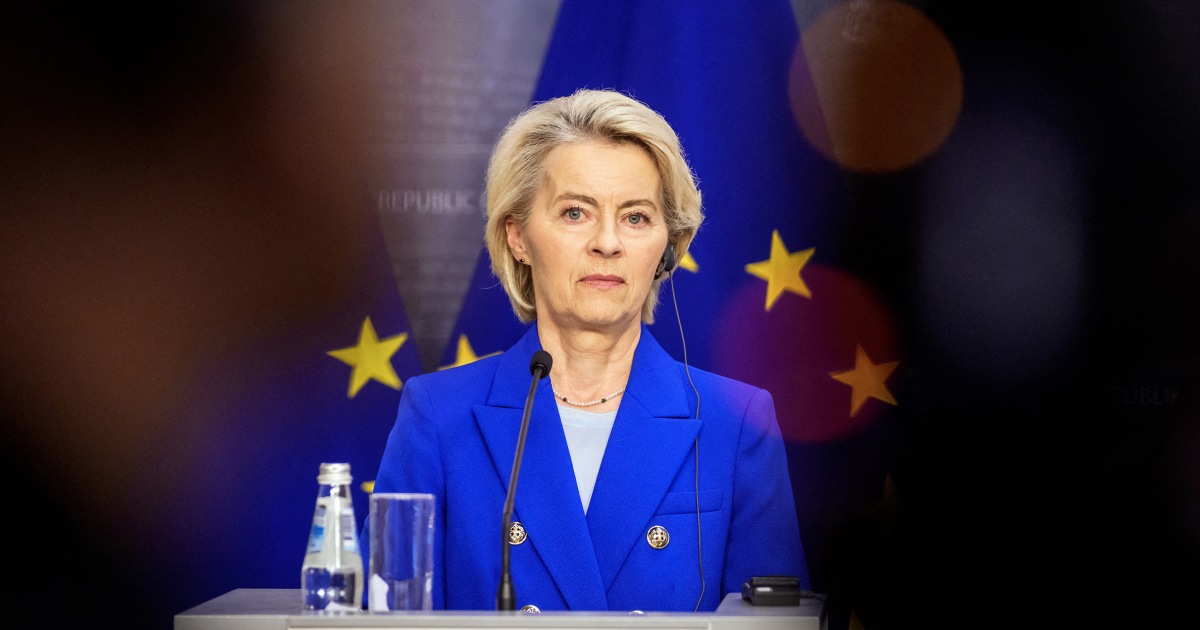
The European Union's ambitious plan to ban new combustion engine car sales by 2035 faces significant upheaval. Initially hailed as a bold step against climate change, the policy aimed to slash transport emissions, a major polluter responsible for nearly a quarter of EU greenhouse gases. However, mounting pressure from powerful car manufacturers has prompted the European Commission to propose a reversal, softening the outright prohibition into more flexible targets.[1]
Pressure from Industry Giants
Germany's auto titans like Volkswagen and BMW lobbied fiercely, arguing that the ban overlooks advancements in synthetic fuels and hydrogen tech, which could make combustion engines cleaner. Economic concerns loom large too: factories risk closure, jobs vanish, and supply chains disrupt amid sluggish EV demand and battery mineral shortages. This shift reflects a pragmatic pivot, prioritizing industry survival over rigid deadlines.[1]
Climate Setback and Future Paths
Critics decry this as a betrayal of Paris Agreement goals, potentially delaying emission cuts by years. Yet proponents see opportunity for innovation in e-fuels. As negotiations intensify, the EU treads a tightrope between green ambitions and economic reality, with global eyes watching for ripple effects on climate policy worldwide.
About the Organizations Mentioned
Volkswagen
**Volkswagen Group**, headquartered in Wolfsburg, Germany, is the world's second-largest automaker by sales and Europe's market leader, producing over 10 million vehicles annually across brands like Audi, Porsche, Bentley, Lamborghini, SEAT, Škoda, and commercial arms such as Scania and MAN.[2][3] Founded on May 28, 1937, it began as a state-backed initiative for affordable "people's cars" (Volkswagen means "people's car") and evolved into a global powerhouse serving 153 countries with cars, trucks, buses, motorcycles, engines, and financial services.[2][3] Historically, Volkswagen dominated Europe and vied for global supremacy with Toyota, boasting €348.8 billion in 2023 revenue and 678,825 employees under CEO Oliver Blume.[2] The 2015 emissions scandal prompted the "TOGETHER – 2025+" strategy, emphasizing restructuring, profitability (targeting 6% operating margin), and a pivot to electrification—launching 30 new EVs by 2025, aiming for one million annual electric sales, and battery tech leadership.[1][2][4] Key achievements include maintaining Europe's top market share for over two decades, ranking 11th on the 2024 Fortune Global 500, and innovations in digital ecosystems, autonomous driving, and software via its "Software-enabled Car Company" module.[3][4][5] As of late 2025, Volkswagen reports solid H1 results with €158.4 billion sales revenue despite challenges like delayed EV investments, falling Chinese sales, plant closures in Germany, and job cuts; Brand Group Core saw 2.28 million vehicle deliveries in the first nine months (up 0.8% YoY), though U.S. Q2 sales dropped 29%.[3][6][7][8] The group eyes 80 million active digital users by 2025, partnership
BMW
BMW is a leading German luxury automobile manufacturer known for producing high-performance, innovative vehicles under the BMW, MINI, and Rolls-Royce brands. Founded in 1916 by Camillo Castiglioni, Franz Josef Popp, and Karl Rapp, the company is headquartered in Munich, Germany, and has built a reputation as the maker of "The Ultimate Driving Machine" by blending advanced technology, dynamic driving performance, and premium luxury[6][2]. Throughout its history, BMW has evolved from an aircraft engine producer to a global automotive powerhouse, consistently pioneering innovation in both combustion and electric mobility. In recent years, it has aggressively expanded its electric vehicle (EV) lineup, delivering 220,583 battery-electric vehicles (BEVs) in the first half of 2025 alone, a 15.7% increase year-over-year, with models like the i4 M50 and iX M60 pushing performance and luxury boundaries[1][2]. Despite a challenging global economic environment, BMW maintained solid sales and profitability in 2025. The group delivered over 1.2 million vehicles in the first half of the year, with strong growth in Europe and the Americas offsetting declines in China, its largest single market[1][4]. The company reported €4.015 billion in profit for the first half of 2025, a 29% drop from the previous year but still outperforming competitors like Mercedes and Audi in profit retention[4][5]. BMW’s automotive EBIT margin remained healthy at 6.2%, demonstrating financial resilience[4][5]. BMW continues to lead in innovation with state-of-the-art features such as the BMW Curved Display, remote software upgrades, and luxury amenities like the 31-inch BMW Theatre Screen for rear passengers. Their NEUE KLASSE initiative, launching in late 2025, aims to introduce over 40 new and updated models by 2027, emphasizing technology-neutral solutions and a new design languag
European Union
The European Union (EU) is a unique economic and political partnership between 27 European countries, aiming to promote peace, stability, and economic cooperation. Established in 1993, the EU has evolved significantly since its inception, with key milestones including the introduction of the euro currency in 1999 and the expansion to include 27 member states. **History and Key Achievements:** - **Founding:** The EU's origins trace back to the European Coal and Steel Community (ECSC) in 1951, which evolved into the European Economic Community (EEC) in 1957. Over time, it expanded into the European Union with the Maastricht Treaty in 1992. - **Economic Integration:** The EU has fostered economic integration through the Single Market, allowing free movement of goods, services, and people among member states. - **Common Currency:** The euro, introduced in 1999, is used by 20 of the 27 member states, promoting economic stability and facilitating trade. **Current Status:** - **Challenges:** The EU faces ongoing challenges, including climate change, migration, and geopolitical tensions, particularly with Russia's aggression in Ukraine. - **Economic Outlook:** Euro area growth is forecast to remain weak in 2025, with GDP projected to expand by less than 1%[8]. - **Innovative Initiatives:** The EU is actively working on enhancing its technological and economic competitiveness, with initiatives like the Clean Industrial Deal and the Competitiveness Compass[4]. **Notable Aspects:** - **State of the Union Address:** The annual State of the Union address by the European Commission President outlines key priorities and initiatives for the year ahead, such as Ursula von der Leyen's 2025 address focusing on security, Ukraine support, and climate action[1][5]. - **Global Influence:** The EU is a significant player in global affairs, with initiatives like the Global Gateway aimed at sustainable development
European Commission
The European Commission is the executive branch of the European Union (EU), responsible for proposing legislation, implementing decisions, upholding the EU treaties, and managing the day-to-day business of the Union. Its primary role is to act as the “guardian of the treaties,” ensuring that EU law is applied uniformly across all member states. The Commission is composed of one commissioner from each EU country, led by a President—currently Ursula von der Leyen—who sets the political direction for the institution. ## History and Evolution Established in 1958 as part of the European Economic Community, the Commission’s powers and responsibilities have expanded alongside the EU itself. Over decades, it has evolved from a technocratic body focused on economic integration to a central player in shaping Europe’s political, social, and digital future. The Commission has been instrumental in creating the single market, launching the euro currency, and driving forward major treaties such as Maastricht and Lisbon. ## Key Achievements The Commission has overseen transformative projects like the European Green Deal, aiming to make Europe the first climate-neutral continent by 2050, and the Digital Single Market, which seeks to harmonize digital regulations and boost Europe’s tech competitiveness. It has also been a driving force behind landmark regulations in data protection (GDPR), artificial intelligence (AI Act), and antitrust enforcement against global tech giants. ## Current Status and Priorities In 2025, the Commission’s work programme underscores a focus on sustainable prosperity, security, competitiveness, and regulatory simplification[1][2][4]. Major initiatives include the Clean Industrial Deal to decarbonize industry, the AI Continent Action Plan to position Europe as a leader in artificial intelligence, and a push to reduce administrative burdens by at least 25% for businesses—especially small and medium-sized enterprises (SMEs)[1][3][6]. The Commission is also prioritizing the modernization of the single market, investment in clean energy, and strengthening Europe’s strategi