Challenging Stereotypes: Europe's Leadership Strength
#europe #eu #leadership #transatlantic_relations #public_opinion

Challenging Stereotypes: Europe's Leadership Strength
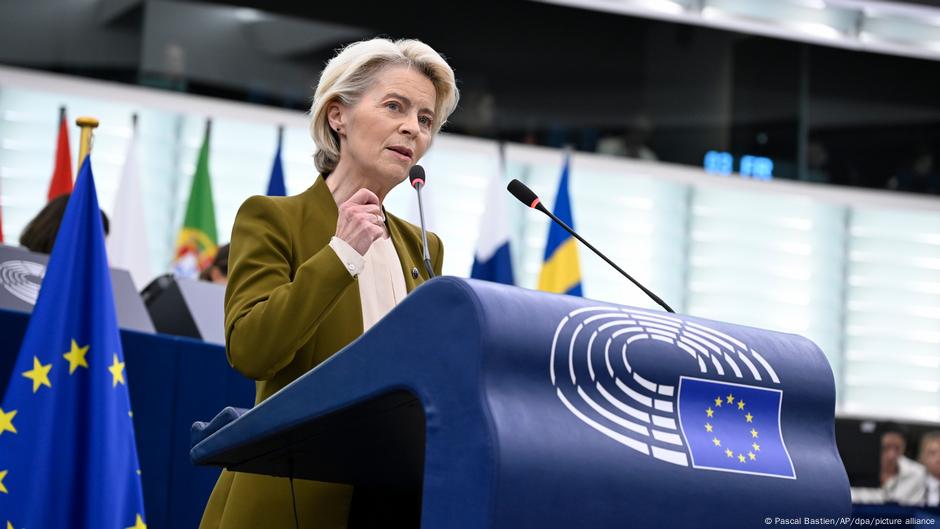
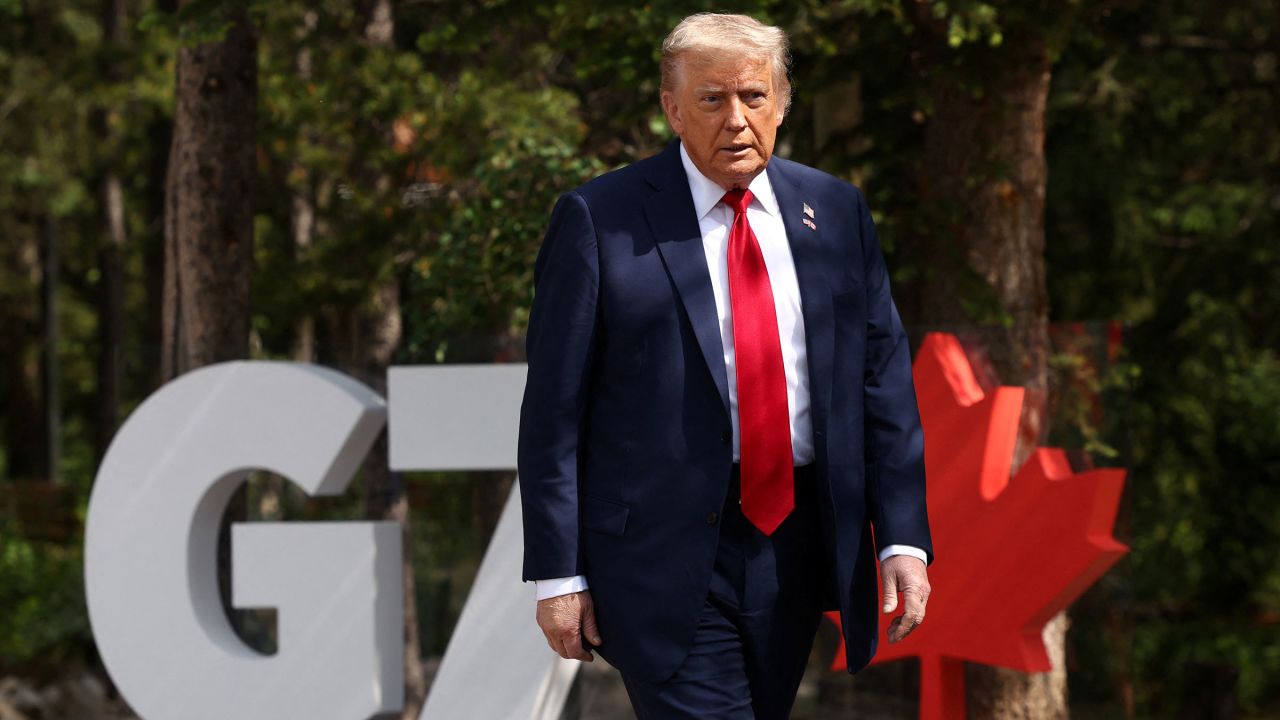
Despite former U.S. President Donald Trump’s depiction of European leaders as weak, millions of Europeans proudly affirm the strength and resilience of their leadership. Recent polls show robust support within the European Union for its governing bodies, with approval ratings often surpassing those of national leaders and even U.S. leadership. This contrast highlights a deep-rooted confidence among Europeans in their collective governance and political direction.
Public Opinion and Approval Ratings
Surveys conducted in 2025 reveal a median approval rating of 62% for EU leadership among member states, well above the 35% approval for U.S. leadership. While opinions on individual leaders like Ursula von der Leyen vary, overall support for EU membership remains strong, with about two-thirds of Europeans viewing it positively. Even in countries with mixed views on the EU's functioning, citizens recognize the value of belonging to the Union as essential for Europe’s future stability and prosperity.
Implications for Transatlantic Relations
This divergence in perception underscores ongoing tensions between the U.S. and Europe regarding leadership and global strategy. While the U.S. faces skepticism in Europe, the EU continues to project unity and confidence internally. The strong European endorsement challenges narratives of weakness and emphasizes a distinct identity and influence on the world stage.
About the People Mentioned
Donald Trump
Donald John Trump, born June 14, 1946, in Queens, New York, is an American businessman, media personality, and politician. He graduated from the University of Pennsylvania’s Wharton School in 1968 with a degree in economics. In 1971, he took over his family’s real estate business, renaming it the Trump Organization, through which he expanded into building and managing skyscrapers, hotels, casinos, and golf courses. Trump gained widespread fame as the host of the reality TV show *The Apprentice* from 2004 to 2015, which helped establish his public persona as a successful entrepreneur. Trump entered politics as a Republican and was elected the 45th president of the United States, serving from 2017 to 2021. His presidency was marked by significant policy actions including tax cuts, deregulation, the appointment of three Supreme Court justices, renegotiation of trade agreements (notably replacing NAFTA with the USMCA), and a focus on immigration control including border wall expansion. He withdrew the U.S. from international agreements such as the Paris Climate Accord and the Iran nuclear deal, and engaged in a trade war with China. His administration’s response to the COVID-19 pandemic was criticized for downplaying the virus’s severity. Trump was impeached twice by the House of Representatives—first in 2019 for abuse of power and obstruction, and again in 2021 for incitement of insurrection—but was acquitted by the Senate both times. After losing the 2020 election to Joe Biden, Trump challenged the results, culminating in the January 6, 2021, Capitol riot. He remains a central figure in American politics, having won the 2024 presidential election and returned as the 47th president in 2025, continuing to promote policies aimed at economic growth, border security, and military strength[1][2][3][4].
Ursula von der Leyen
Ursula Gertrud von der Leyen is a German politician and physician, serving as the President of the European Commission since 2019. She was born on October 8, 1958, in Brussels, Belgium, to German parents. Her father, Ernst Albrecht, was one of the first European civil servants. Von der Leyen graduated from the London School of Economics in 1978 and obtained her medical license from Hanover Medical School in 1987. Von der Leyen has had a distinguished career in German politics. She was a member of the German Bundestag from 2009 to 2019 and held various cabinet positions under Angela Merkel, including Federal Minister of Defense from 2013 to 2019, Federal Minister of Labor and Social Affairs from 2009 to 2013, and Federal Minister for Family Affairs, Senior Citizens, Women and Youth from 2005 to 2009. Prior to her federal roles, she served as Minister for Social Affairs, Women, Family Affairs, and Health in Lower Saxony from 2003 to 2005. As President of the European Commission, von der Leyen has played a pivotal role in shaping EU policies, particularly during challenging times such as the COVID-19 pandemic and Russia's invasion of Ukraine. She has been a strong advocate for the EU Green Deal, aiming to make Europe the first climate-neutral continent by 2050. Her leadership has been recognized globally, with *Forbes* naming her the most powerful woman in the world in 2022, 2023, and 2024. Recently, von der Leyen was re-elected for a second term by the European Parliament in July 2024, ensuring her leadership until 2029. Her current priorities include navigating ongoing geopolitical challenges and advancing the EU's strategic agenda. Throughout her tenure, she has emphasized the importance of maintaining the EU's long-term goals despite global uncertainties.
About the Organizations Mentioned
European Union
The European Union (EU) is a unique economic and political partnership between 27 European countries, aiming to promote peace, stability, and economic cooperation. Established in 1993, the EU has evolved significantly since its inception, with key milestones including the introduction of the euro currency in 1999 and the expansion to include 27 member states. **History and Key Achievements:** - **Founding:** The EU's origins trace back to the European Coal and Steel Community (ECSC) in 1951, which evolved into the European Economic Community (EEC) in 1957. Over time, it expanded into the European Union with the Maastricht Treaty in 1992. - **Economic Integration:** The EU has fostered economic integration through the Single Market, allowing free movement of goods, services, and people among member states. - **Common Currency:** The euro, introduced in 1999, is used by 20 of the 27 member states, promoting economic stability and facilitating trade. **Current Status:** - **Challenges:** The EU faces ongoing challenges, including climate change, migration, and geopolitical tensions, particularly with Russia's aggression in Ukraine. - **Economic Outlook:** Euro area growth is forecast to remain weak in 2025, with GDP projected to expand by less than 1%[8]. - **Innovative Initiatives:** The EU is actively working on enhancing its technological and economic competitiveness, with initiatives like the Clean Industrial Deal and the Competitiveness Compass[4]. **Notable Aspects:** - **State of the Union Address:** The annual State of the Union address by the European Commission President outlines key priorities and initiatives for the year ahead, such as Ursula von der Leyen's 2025 address focusing on security, Ukraine support, and climate action[1][5]. - **Global Influence:** The EU is a significant player in global affairs, with initiatives like the Global Gateway aimed at sustainable development