Federal Crackdown on Medicaid Fraud: Minnesota First, Nationwide Expansion
#politics #healthcare #fraud_prevention #medicare #minnesota

Federal Crackdown on Medicaid Fraud Begins with Minnesota
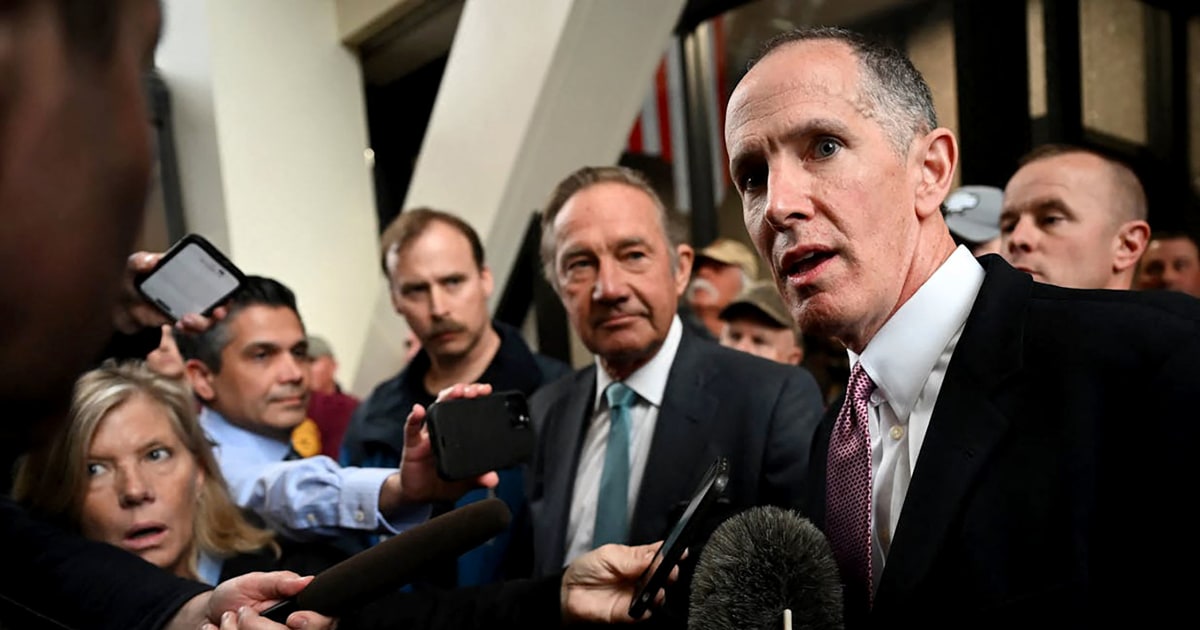
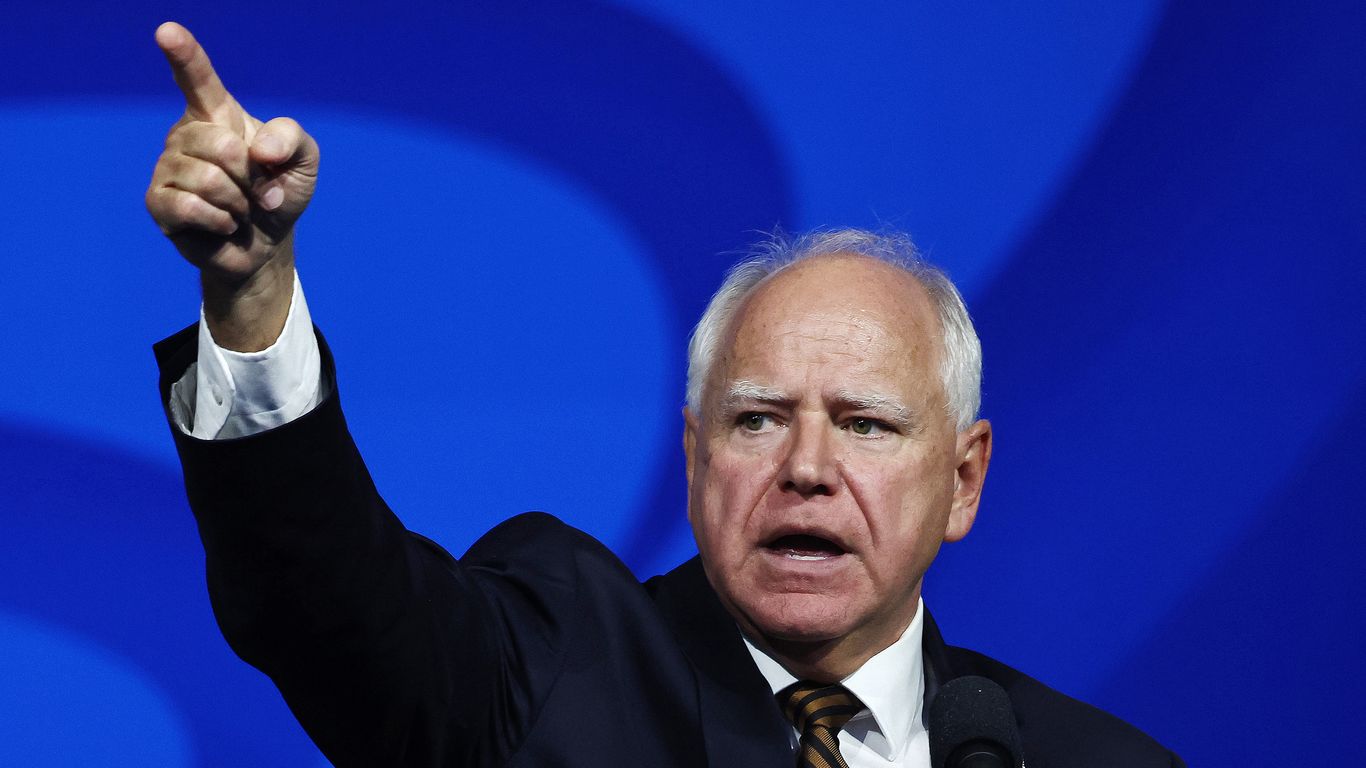
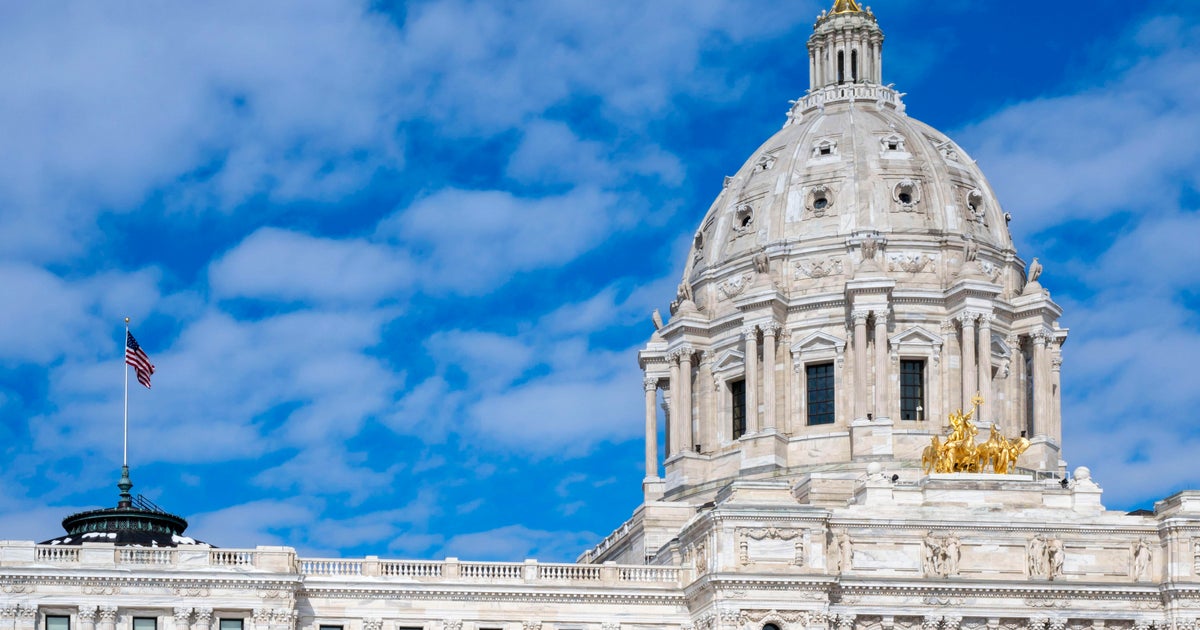
The Trump administration announced a sweeping initiative to combat healthcare fraud, with Vice President JD Vance and CMS Administrator Mehmet Oz unveiling plans to withhold $259 million in federal Medicaid funding from Minnesota. This action targets alleged fraudulent claims identified during a review of the state's expenditures, marking the opening move in what administration officials describe as a comprehensive "war on fraud" across Medicare and Medicaid programs nationwide.
Broader Strategy and State Implications
The administration indicated that similar funding freezes could extend to other states, signaling a shift toward proactive fraud prevention rather than post-payment recovery. Minnesota has sixty days to respond and implement corrective measures. The move reflects the administration's commitment to protecting taxpayer dollars while ensuring vulnerable Americans receive necessary care through strengthened program integrity standards.
National Enforcement Expansion
Beyond Minnesota, the administration suspended $5.7 billion in suspected fraudulent Medicare payments and implemented a six-month moratorium on new Medicare enrollment for durable medical equipment suppliers. These coordinated actions underscore a data-driven approach utilizing advanced analytics to identify and prevent improper payments before release.
```About the People Mentioned
JD Vance
JD Vance is an American author, investor, military veteran, and politician who currently serves as the Vice President of the United States, beginning his term in January 2025. Born on August 2, 1984, in Middletown, Ohio, Vance overcame a challenging childhood marked by financial hardship, family instability, and his mother’s addiction, with significant support from his grandmother. After graduating from Middletown High School, he enlisted in the U.S. Marine Corps, serving four years including a tour in Iraq, where he earned the Marine Corps Good Conduct Medal and the Navy and Marine Corps Achievement Medal[1][2][5]. Following military service, Vance utilized the GI Bill to attend Ohio State University and later earned a law degree from Yale Law School. He then worked as a venture capitalist and gained national recognition as the author of the bestselling memoir *Hillbilly Elegy* (2016), which highlighted the struggles of working-class Americans in the Appalachian region and the Rust Belt[1][3]. Vance entered politics as a Republican and won the U.S. Senate seat for Ohio in 2022, succeeding Rob Portman. He was sworn in on January 3, 2023, becoming the first Ohio senator without prior political experience since John Glenn in 1974. During his Senate tenure, he was active on several committees, focused on issues like border security, American manufacturing, and working-class prosperity, and engaged in bipartisan efforts despite occasional conflicts with fellow Republicans[2][4][5]. Vance resigned from the Senate on January 10, 2025, shortly before assuming the vice presidency. In the 2024 presidential election, Vance was selected by Donald Trump as his running mate and, after a narrow victory in the general election, became the 50th Vice President of the United States. His political career is noted for his advocacy on behalf of working-class Americans, his military background, and his role in contemporary Republican politics[3][4][5].
About the Organizations Mentioned
Trump administration
The **Trump administration** refers to the executive branch of the U.S. federal government during Donald J. Trump’s presidency, initially from January 20, 2017, to January 20, 2021, and resuming with his second term starting in 2025. It was characterized by a mix of aggressive domestic policies, significant judicial appointments, and a distinct foreign policy approach that emphasized "America First" principles[4][8]. The administration’s key activities included **tax reform**, notably passing the $3.2 trillion Tax Cuts and Jobs Act, which represented the largest overhaul of the U.S. tax code in decades[5]. Trump also renegotiated trade agreements with major economies including Mexico, Canada, China, Japan, and South Korea, prioritizing bilateral deals over multilateral ones such as the Trans-Pacific Partnership (TPP), which the administration withdrew from early on[1][2]. The administration sought to protect American jobs by restricting cheap foreign labor and influencing agencies like the Tennessee Valley Authority to retain American workers[5]. On the judicial front, the Trump administration appointed over 200 federal judges, including three Supreme Court justices—Neil Gorsuch, Brett Kavanaugh, and Amy Coney Barrett—shaping the judiciary for years to come[4]. These appointments were among the most significant achievements, influencing U.S. law on multiple fronts. In foreign policy, the administration pursued a controversial agenda: it imposed travel bans on several predominantly Muslim countries, withdrew U.S. troops from northern Syria, and supported Saudi Arabia militarily despite congressional opposition related to the Yemen conflict[1][3]. It also fostered new international technology alliances, such as securing commitments from allies to exclude Chinese telecom giant Huawei from 5G infrastructure and signing AI cooperation agreements with the UK[5]. The Trump administration faced substantial political turmoil, including two impeachments by the House of Representatives—first in 2019 over Ukraine dealings, and again in 2021 following the January
Centers for Medicare & Medicaid Services
```html <!DOCTYPE html> <html lang="en"> <head> <meta charset="UTF-8"> <meta name="viewport" content="width=device-width, initial-scale=1.0"> <title>Centers for Medicare & Medicaid Services: Powering America's Healthcare Future</title> <style> body { font-family: Arial, sans-serif; line-height: 1.6; max-width: 800px; margin: 0 auto; padding: 20px; color: #333; } h1 { color: #0056b3; text-align: center; } h2 { color: #007bff; border-bottom: 2px solid #007bff; padding-bottom: 10px; } p { margin-bottom: 15px; } ul { margin-bottom: 15px; } .highlight { background-color: #fff3cd; padding: 10px; border-left: 4px solid #ffc107; } </style> </head> <body> <h1>Centers for Medicare & Medicaid Services: The Backbone of U.S. Healthcare Innovation</h1> <p>The **Centers for Medicare & Medicaid Services (CMS)** stands as a powerhouse federal agency under the Department of Health and Human Services, delivering health coverage to over **160 million Americans** through Medicare, Medicaid, the Children's Health Insurance Program (CHIP), and HealthCare.gov.[7][4][8] Headquartered in Baltimore, Maryland, CMS not only administers these vital programs but also sets nationwide standards for hospital safety, long-term care quality, and clinical guidelines, enforcing them via reimbursements, fines, and bonuses.[1][5]</p> <h2>A Storied Legacy Since 1965</h2> <p>Established in **1965** alongside Medicare and Medicaid's creation, CMS has evolve