Chancellor Defends Finances as Badenoch Demands Accountability
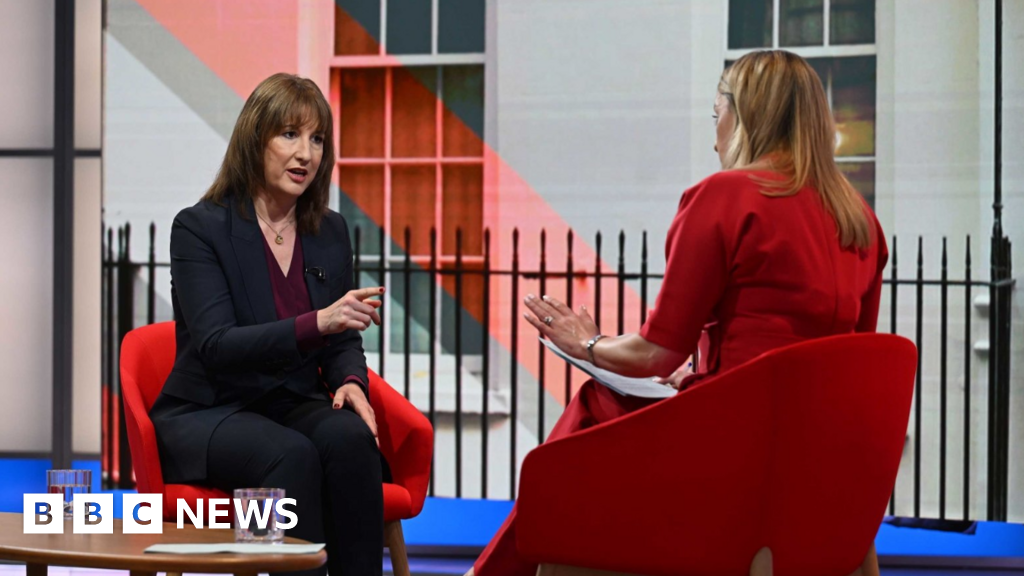
Chancellor Defends Her Financial Stewardship
The UK Chancellor insists she can be trusted with the nation's finances despite accusations of misleading the public. She emphasizes her commitment to fiscal responsibility and highlights recent budget measures aimed at economic stability. However, scepticism remains among opposition figures who challenge the transparency and accuracy of her financial statements.
Kemi Badenoch Demands Accountability
Conservative leader Kemi Badenoch has publicly expressed dissatisfaction with the Chancellor's denials of dishonesty. Badenoch argues that the Chancellor's actions have undermined public trust and called for her resignation, citing broken promises such as the controversial tax rises and the lifting of the two-child benefit cap. She criticizes the Chancellor for what she describes as mismanagement that risks the UK's economic future.
Political Tensions and Economic Implications
This dispute highlights deeper political tensions as the government navigates economic challenges. The debate over budget decisions and their communication underscores the fragile balance between managing public expectations and delivering on policy promises. The Chancellor’s position remains under scrutiny as both supporters and critics weigh the impact of her financial leadership.
About the Organizations Mentioned
Conservative Party
The **Conservative Party**, particularly in the UK, is a well-established political organization with a rich history and significant influence in British politics. Founded in its current form in the 19th century, it has evolved over time to represent conservative values and policies. ## What the Organization Does - **Voluntary Structure**: The Conservative Party operates with a strong voluntary base, where thousands of members contribute to organizing and campaigning efforts across the UK. These volunteers play a crucial role in local associations, raising funds, and engaging with voters[1][3]. - **Policy and Governance**: The party is involved in shaping policy and governance through its Board, which oversees operational matters such as fundraising, membership, and candidate selection[1]. ## History The Conservative Party has a long history, dating back to the early 19th century. It has been a dominant force in British politics, with notable leaders like Winston Churchill and Margaret Thatcher. ## Key Achievements - **Leadership and Policy Influence**: The party has had significant influence over British policy, particularly in areas like economic management and social reform. - **Historic Leadership**: Under leaders like Thatcher and Churchill, the party has played a pivotal role in shaping British history. ## Current Status Currently, the Conservative Party continues to be a major political force in the UK, with ongoing efforts to shape policy and governance. The party's structure includes various recognized organizations, such as the Conservative Women’s Organisation and the Young Conservatives[3]. ## Notable Aspects - **Recognized Organizations**: The party has several recognized groups that cater to specific demographics, such as women and young people. - **Influence on Governance**: The party's influence extends beyond electoral politics, shaping policy and public discourse in the UK. While the Conservative Party is not directly involved in business or technology news, its policies often impact these sectors, making it relevant for those interested in broader political and economic trends.